Why Traditional Pyjamas May Not Work For Disabilities
For many, the evening transition to bed is a calming routine. However, for adults living with limited mobility, arthritis, recovering from surgery or with cognitive disabilities such as dementia, it can feel like a long, tiring process. Most pyjamas are designed for people who can easily lift their arms, bend, and are able to manipulate buttons, an assumption that does not reflect the lived experience of millions of people.
For instance, something as simple as a button-down top or an add-on waistband can be a true barrier. As well, even putting arms in sleeves or neck-holes may require much more flexibility than a person may have. If you consider most pyjamas are made of common fabric, there are also those with scratchy seams and irritating tags that make sleeping uncomfortable for users of all ages with sensory sensitivities.
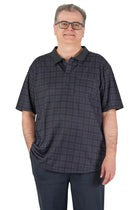
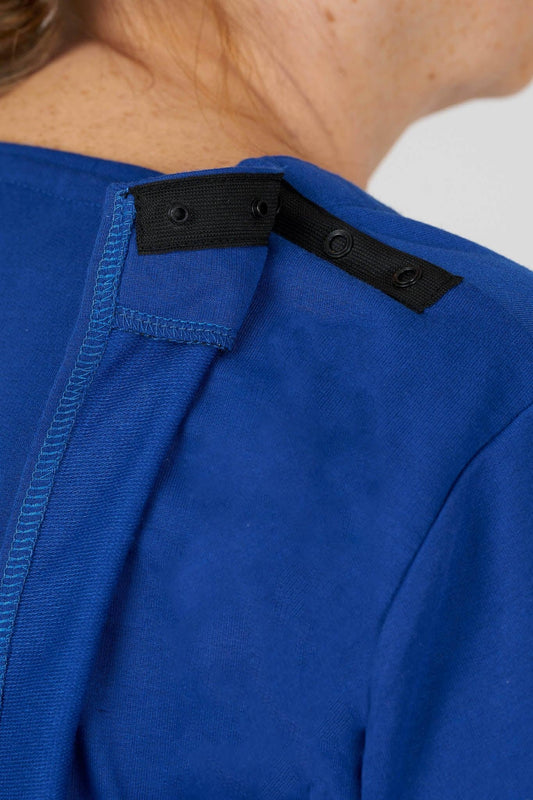
June Adaptive is a company that emphasizes empathy in its design. Their Men’s Open-Back Easy Dressing Sleepwear eliminates many of these barriers through an adaptive open-back design that makes dressing easier, even while lying down. The snap closure system helps reduce strain for both wearers and caregivers, while the comfortable sleepwear design supports dignity, comfort, and easier nighttime care routines. This type of garment is especially useful for individuals who rely on caregiver assistance or have limited mobility.

Men’s Open-Back Easy Dressing Sleepwear
Adaptive pyjamas are designed with the knowledge that comfort is more than what's on the surface; it's about allowing independence, alleviating stress in a time of day that is very vulnerable.
Best Fabrics For Temperature-Sensitive Sleepers
High-quality sleepwear starts with the right fabric. For people with neurological conditions, autonomic disorders, spinal injuries, or those going through menopause, body temperature can fluctuate dramatically through the night. Many people experience night sweats or overheating, as well as chills from low circulation or environmental sensitivity.
That's why we select our materials at June Adaptive for their gentle temperature regulation, moisture wicking, and cozy soft feel without negative overheating.
Take a look at the Women’s Adaptive Open-Back Stretch Nightgown. Designed with comfort in mind, this adaptive nightgown features soft stretch fabric that moves with the body while remaining breathable throughout the night. The open-back design simplifies dressing and undressing, making it particularly helpful for individuals with reduced mobility or those requiring caregiver assistance. Its comfortable construction helps support restful sleep while maintaining dignity and ease of use.
 Women’s Adaptive Open-Back Stretch Nightgown.
Women’s Adaptive Open-Back Stretch Nightgown
When choosing sleepwear for hotter climates or seasons, it is just as important to pick lighter fabrics. Breathable cotton blends will help manage night sweats and regulate body heat through the night, while still being soft against sensitive skin. Having the appropriate sleepwear for the season, or enough layering options that won't restrict you, is integral to comfortable rest and skin health.
Magnetic vs. Velcro Closures For Nighttime Changes
When it comes to closures, it can seem like an afterthought, until you are fumbling with buttons in the dark or not able to redress your loved one for that midnight run to the bathroom. For those that require frequent position changes, use incontinence products, or have decreased dexterity, closures have significance.
June Adaptive prioritizes quiet and intuitive closures that promote independence without losing ease of use. Choosing between magnetic closures and Velcro can depend on the circumstances and personal preference.
While magnetic closures can be handy for shirts or daytime apparel, adaptive sleepwear often benefits from simple dressing solutions that reduce effort during nighttime changes. The Women’s Open-Back Easy Dressing Stretch Sleepwear demonstrates how adaptive design can simplify bedtime routines. Its open-back construction allows for easier dressing and undressing, while the stretch fabric provides flexibility and comfort throughout the night.

Women’s Open-Back Easy Dressing Stretch Sleepwear
This sleepwear's relaxed fit means that changes during the night, whether for temperature regulation, personal care issues, or medical access, are fast and worry-free. It also minimizes friction for people who sleep on their sides or are immobile and helps reduce irritation caused by prolonged time in bed.
Adaptive Sleepwear For Catheter & IV Users
Most sleepwear companies do not consider the presence of medical devices such as catheters, IVs, PICC lines, and feeding tubes in the design of their clothing. These devices are an everyday part of many people's lives, and pyjamas should accommodate them rather than create another challenge.
June Adaptive sleepwear is designed with special access features that work around medical systems. If you have ever experienced dressing around tubing or medical equipment, you understand how difficult conventional sleepwear can be.
Clothing designed for this purpose is not only helpful for comfort but also for safety. Snagging tubing or creating pressure near a medical site can lead to pain, irritation, or skin breakdown. Garments like the Women’s Adaptive Open-Back Stretch Nightgown help make dressing around medical devices easier without requiring the entire garment to be removed.
Some adaptive nightgowns feature discreet back openings and loose, flowing designs that relieve pressure on medical sites. Features like these help eliminate unnecessary challenges so individuals can focus on rest, recovery, and comfort.