Fashion has always been one of the most personal ways we show the world who we are, and for people with disabilities, it is no different. Research published in the World Journal of Advanced Research and Reviews confirms that adaptive clothing has measurable psychosocial benefits, showing a positive impact on confidence and self-expression for people with disabilities. The challenge has historically been finding adaptive pieces that do not just function well but actually inspire you to get dressed in the morning. At June Adaptive, we believe you should never have to choose between looking like yourself and feeling comfortable in what you wear, and this guide is here to show you that you do not have to.
Blending Fashion Trends with Accessibility Needs
One of the most common misconceptions about adaptive clothing is that it exists in its own separate fashion universe, disconnected from what is happening on runways, in stores, and across social media. The reality in 2025 is that the gap between adaptive design and mainstream fashion trends is closing faster than most people realize, and that is genuinely exciting news for anyone building a wardrobe around accessibility needs.
Many designers are now creating trendy adaptive clothing lines, allowing people with disabilities to make bold fashion statements while incorporating essential features like magnetic closures, adjustable sizes, and simplified fastenings that improve usability. That means you can shop for what you love aesthetically and increasingly find adaptive features built into it, rather than having to choose between style and function.
The practical approach to blending trends with accessibility is to start with the aesthetic you are drawn to and work backward to find adaptive pieces that fit within it. If your style leans toward clean and minimalist, a well-cut magnetic closure shirt in a neutral tone is both on-trend and entirely functional. If you gravitate toward bold color and pattern, many adaptive brands now offer their accessible silhouettes in prints and palettes that compete directly with mainstream options. Adaptive fashion is fundamentally about empowerment, confidence, and self-expression, and as more brands invest in inclusive design, the industry is breaking barriers and ensuring that fashion is genuinely for everyone.
Here is how to blend current trends with your accessibility needs without compromising either:
-
Lead with color and pattern. Adaptive clothing is available in a far wider range of colors, prints, and textures than most people realize. Choosing pieces in shades or patterns that reflect your personal palette makes an adaptive garment feel like a fashion choice first and a functional one second, because it is both.
-
Look for adaptive features in mainstream silhouettes. The best adaptive styling happens when the accessible features are invisible from the outside. A magnetic button placket that looks identical to a traditional one, or an elastic waistband in a tailored trouser cut, lets you wear the silhouette you want without telegraphing the functional design that makes it work for you.
-
Follow seasonal color and silhouette trends and find adaptive versions. Barrel-leg trousers, oversized blazers, and soft tailoring have all been strong trends in recent years, and all of them translate naturally into adaptive formats with stretch fabric, easy closures, and relaxed fits that accommodate a range of mobility needs.
Layering Adaptive Garments for Seasonal Looks
Layering is one of the most powerful styling tools available to anyone building a wardrobe, and for people who use adaptive clothing, it is especially valuable. Done well, layering adds visual interest, creates seasonal versatility, and allows you to adjust your outfit throughout the day without needing to change entirely. Done with adaptive pieces specifically, it also gives you control over temperature and comfort in ways that a single garment simply cannot.
Layering is a timeless technique in fashion that is particularly important when working with adaptive clothing, allowing you to create stylish and dynamic outfits while providing extra warmth and comfort. Starting with a base layer like a comfortable adaptive tank top or shirt gives you a flexible foundation to build from.
For fall and winter dressing, a soft adaptive base layer worn under an open-front cardigan or an easy-on zip-up jacket creates a polished, put-together look that can be adjusted as indoor and outdoor temperatures shift. The key is choosing outer layers that can be added or removed without requiring complex arm movements or overhead lifting. Open-front cardigans, snap-close jackets, and magnetic-closure fleeces all serve this purpose beautifully while also looking intentional and stylish rather than purely functional.
Spring and summer layering follows a lighter logic. A breathable adaptive tank or short-sleeve top worn under an open-front kimono or a loose linen overshirt adds dimension to a simple outfit without adding heat. For people who need to protect skin or medical devices from sun exposure, lightweight layering pieces serve a dual purpose: style and protection, without bulk or discomfort.
June Adaptive's Women's 3/4 Sleeve Embroidered Top with Back Overlap is a great example of a layering-ready adaptive piece. Its soft knit construction and open-back snap design make it easy to put on independently while the embroidered detail and clean silhouette mean it looks polished whether worn alone or layered under a light jacket for cooler days.
Accessories That Elevate Basic Adaptive Pieces
If there is one area where adaptive styling has room to shine brightest, it is accessories. A simple, well-fitting adaptive outfit becomes something entirely different with the right finishing touches, and accessories require none of the adaptive features that garments do, meaning you have the full range of the fashion world to draw from.
Whether it is scarves and wraps, belts, statement jewelry, hats, handbags, scarf rings, pins, or adaptive footwear, there are countless options to enhance adaptive outfits and boost confidence. Style is ultimately about feeling great in what you wear, so the goal is to choose accessories that make you feel fantastic and showcase your uniqueness.
Statement jewelry is one of the most accessible (in every sense of the word) ways to elevate an adaptive outfit. Bold earrings, layered necklaces, and stacked bracelets add personality and visual interest to even the simplest adaptive base pieces without requiring any physical dexterity to work into an outfit. A plain adaptive pull-on top in a neutral color becomes a considered, complete look with a chunky necklace or a pair of colorful earrings.
Scarves and wraps are another powerful tool, particularly for people who want to add warmth, color, or coverage without adding another layer that needs to be fastened or navigated. Draped loosely over the shoulders or tied loosely at the neck, a scarf transforms an outfit instantly and requires minimal hand coordination to arrange. For wheelchair users, a coordinating lap blanket or a throw in a complementary color serves a similar purpose while also adding a stylish, intentional element to the overall look.

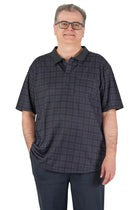
Men’s Adaptive Back-Opening Bamboo Sport Shirt
Here is a practical guide to accessorizing adaptive outfits with impact:
-
Choose bags with accessible closures. Crossbody bags, backpacks with magnetic clasps, and tote bags with wide openings are not only practical for people with limited hand dexterity but are also consistently on-trend. A structured crossbody bag in a seasonal color instantly upgrades even the most casual adaptive outfit.
-
Use hats as both a style statement and a functional layer. Wide-brim hats offer sun protection for people with photosensitive skin conditions or medications. Baseball caps, beanies, and bucket hats all serve functional purposes while also being among the most versatile accessories in any wardrobe.
-
Let shoes do the heavy lifting stylistically. Adaptive footwear with velcro or elastic closures is available in a wider range of styles than most people expect, from clean white sneakers to ankle boots to slip-on dress shoes. A great pair of shoes anchors an entire outfit and sends a clear signal that comfort and style are not competing priorities in your wardrobe.

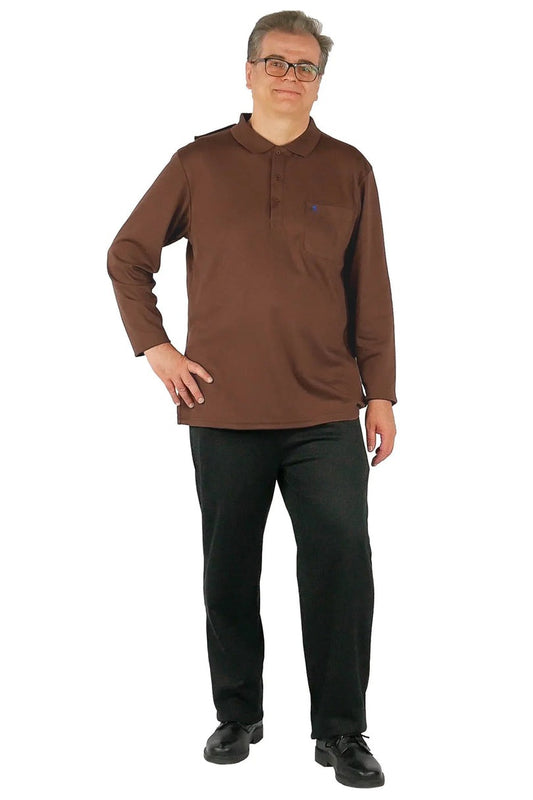
Men’s Back-Overlap Assisted Dressing Twill Pants
Building a Personal "Signature Look" with Comfort at the Core
The concept of a signature look is one of fashion's most enduring ideas, and it is just as available to people who use adaptive clothing as to anyone else. A signature look is simply a repeatable style formula that reflects who you are, works reliably well for your body and lifestyle, and gives you a default answer to the question of what to wear on any given morning.
Fashion serves as a powerful tool for self-expression, and research confirms that it challenges stereotypes, enhances self-confidence, and contributes to social inclusion for people with disabilities. Universal design in fashion enhances accessibility and self-expression, enabling people with disabilities to showcase their individuality and style.
Building a signature look around adaptive clothing starts with identifying what you already love. Think about the colors you reach for most often, the silhouettes that make you feel best, and the occasions you dress for most regularly. Your signature look should work for your actual life, not an aspirational version of it. From there, find the adaptive pieces that anchor that look: a magnetic button shirt in your go-to neutral, a pull-on pant in a cut you love, a cardigan in your signature color that layers effortlessly over everything.
The power of a signature look is that it removes decision fatigue from the morning routine, which is a genuine benefit for anyone managing a disability or chronic condition alongside a demanding schedule. When the core of your wardrobe already works for you, you can spend your energy on the parts of the outfit that are purely expressive: the accessories, the layers, the finishing details that make it yours.
As model and disability advocate Bri Scalesse has shared, mixing feminine and masculine pieces is at the heart of her personal style, and a good basic adaptive tee is an essential wardrobe anchor. "When you find your perfect fit, confidence comes easy." That is the essence of a signature look: finding what works for your body, your life, and your style, then building from that foundation outward.

Women’s Side-Opening Easy Dressing Elastic Waist Pants
Adaptive Influencer Styling Inspiration
One of the most meaningful shifts in adaptive fashion over the last several years has been the rise of disability influencers who are creating genuine, relatable, and genuinely stylish content that reflects the full breadth of what adaptive fashion can look like. These creators are not just raising visibility. They are actively shaping the direction of the industry.
Nashville-based April Lockhart, the self-proclaimed "Disabled Fashun Girlie," has built a following of over 140,000 by bringing representation to people with limb differences in the fashion influencer space. She has walked the runway for Victoria's Secret's adaptive line and worked with brands including Anthropologie, Amazon, and Maybelline, regularly connecting with other members of the disabled community to share their stories and raise awareness.
Disabled fashion influencers have played a major role in proving that adaptive fashion can be both practical and stylish, and many work directly with brands to design clothing that meets specific accessibility needs while still being fashionable. Their influence has led to major fashion labels creating collections that cater to people with different mobility needs. When influencers with limb differences advocate for adjustable sleeve lengths, or wheelchair users push for high-waisted jeans that stay in place while seated, those insights reach brand design teams and translate into better products for the whole community.
Research published in a 2025 peer-reviewed study on adaptive apparel and social media found three consistent themes in how disability advocates and influencers use platforms like Instagram to promote adaptive fashion: inclusion, representation, and education. These themes reflect the community's understanding that styling content is not just aesthetics. It is advocacy.
The practical takeaway for anyone building their own adaptive wardrobe is to look to these creators not just for outfit ideas but for the permission to experiment. As disability advocate and model Maya Moore has shared, "a world of fashion can really open up to you, and so much can be made accessible when you try different things." She credits the disability community with teaching her styling tips and tricks, from tucking a sleeve to using a bra clip, that turned experimentation into a style-rediscovery journey that made her "fall in love with fashion and my own body all over again."
Style is not a fixed destination. It is a practice, and the adaptive fashion community is one of the most creative and generous in sharing how that practice works. At June Adaptive, we design every piece with the belief that comfort is not the opposite of confidence. It is the foundation of it. When your clothing works for your body and your life, getting dressed stops being a task and starts being something worth looking forward to.
If you enjoyed this blog, please sign up to the June Adaptive Newsletter below to receive more updates! Share your experience in our 5-minute survey to inform our new adaptive apparel launch. Get a chance to win a $50 gift card Link here