Adaptive Clothing for Women: From Everyday Wear to Recovery Looks
⏳5 minutes of your time could win you a $50 gift card! 🎉Help us design our new adaptive apparel launch by sharing your experience. 👕 Link Here 👈
Women’s clothing has always carried more meaning than simply getting dressed—it can reflect personality, lifestyle, confidence, culture, comfort, and identity. For women with disabilities, chronic illness, limited mobility, medical devices, pregnancy-related changes, postpartum needs, or recovery routines, traditional fashion can create daily barriers. Adaptive clothing helps make dressing easier, more comfortable, and more dignified while still supporting personal style. At June Adaptive, we believe women deserve clothing that works with their bodies, not against them.
Adaptive bras, dresses, and tops for different mobility needs
Every woman’s dressing routine is different. Some women dress independently but need clothing that is easier to fasten. Others dress with the help of a caregiver, partner, or family member. Some need seated-friendly clothing for wheelchair use, while others need garments that reduce pain, support recovery, or make room for medical devices.
Adaptive women’s clothing is designed around these real-life needs.
Traditional bras, dresses, and tops often assume the wearer can lift both arms overhead, twist comfortably, reach behind the back, manage small hooks, or stand while getting dressed. For many women, those movements may be difficult, painful, unsafe, or impossible. Limited shoulder mobility, arthritis, paralysis, chronic pain, fatigue, surgery recovery, limb differences, muscle weakness, and neurological conditions can all affect how easy it is to get dressed.
Adaptive bras can be especially helpful because standard bras are often one of the hardest garments to put on. Back hooks, tight bands, underwires, and narrow straps can be uncomfortable or difficult to manage. Adaptive bras may include front closures, soft fabrics, wide straps, wireless support, easier fasteners, or designs that reduce pressure on sensitive areas. For someone recovering from surgery or managing limited dexterity, those changes can make the morning routine feel much less stressful.
Adaptive tops also offer a wide range of possibilities. Open-back tops can support assisted dressing while still looking polished from the front. Side-opening tops can reduce the need to lift arms overhead. Magnetic-style closures, larger buttons, stretch fabrics, and easy-pull details can help women with limited hand strength or mobility. A thoughtfully designed top can work for casual wear, appointments, work, or social outings.
Adaptive dresses can be just as versatile. A dress may include back openings, wrap-style features, stretch panels, seated-friendly cuts, or soft waistlines that reduce pressure. Dresses can be especially helpful because they create a complete outfit with fewer pieces to manage. For wheelchair users, a seated-friendly dress can help prevent bunching, pulling, or awkward hemlines.
Helpful adaptive clothing features for women include:
-
Front-closure bras: Easier to fasten than traditional back-hook bras, especially for women with limited shoulder mobility or hand dexterity.
-
Open-back tops and dresses: Designed to make assisted dressing easier while maintaining a stylish front-facing look.
-
Soft waistbands and stretch fabrics: Helpful for seated comfort, bloating, recovery, chronic pain, and changing body shape.
-
Magnetic-style or easy closures: Useful for women who struggle with small buttons, hooks, or zippers.
-
Seated-friendly cuts: Designed to reduce pulling, gapping, bunching, or pressure when sitting for long periods.
Adaptive clothing is not about giving women fewer style choices. It is about creating more options that reflect real bodies, real routines, and real lifestyles.
Dressing around medical devices (ports, drains, ostomies)
Medical devices can make clothing more complicated, but they should not take away someone’s comfort, dignity, or sense of self. Women may need to dress around ports, drains, ostomies, feeding tubes, catheters, insulin pumps, compression garments, braces, surgical sites, or other medical supports. Traditional clothing is rarely designed with these needs in mind.
This can create practical and emotional challenges. A shirt may press on a port. A waistband may interfere with an ostomy pouch. A dress may not allow easy access to a drain. Tight fabric may rub against healing skin. A high neckline may make treatment access harder. Clothing can become a source of stress during a time when comfort and ease matter most.
Adaptive clothing helps by offering access, adjustability, and softness in the right places.
For women with ports, tops with front openings, lower necklines, soft fabrics, or discreet access points can make appointments and treatments easier. For women recovering from surgery with drains, loose-fitting tops, open-back designs, wrap styles, and soft inner layers may reduce pulling and allow easier management. For women with ostomies, flexible waistbands, higher or lower rises, soft dresses, tunics, and flowy tops can help reduce pressure and provide coverage without feeling restrictive.
The goal is not to hide every medical device. Some women may want clothing that keeps devices discreet. Others may not mind if a device is visible. What matters is choice.
Adaptive dressing around medical devices often means looking for:
-
Easy access: Openings, wrap designs, front closures, or layered pieces that make it easier to reach a device without fully undressing.
-
Gentle fabrics: Soft, breathable materials that reduce rubbing around sensitive skin, scars, incisions, or device sites.
-
Flexible waistlines: Stretchy, adjustable, or non-compressive waistbands that avoid unnecessary pressure.
-
Layering options: Cardigans, open-front tops, scarves, and jackets that add coverage while still allowing access.
-
Loose but intentional silhouettes: Clothing that gives room where needed without feeling shapeless or impersonal.
Medical-device-friendly clothing can also support emotional comfort. After surgery, treatment, or diagnosis, a person’s relationship with their body may change. Clothing that feels soft, manageable, and attractive can help someone feel more grounded during recovery or ongoing care.
This is where adaptive fashion becomes deeply personal. It is not only about access to a port or space for an ostomy pouch. It is about helping women feel like themselves while navigating medical realities.
Pregnancy, postpartum, and perimenopause dressing with disabilities
Women’s bodies change throughout life, and clothing needs often change with them. Pregnancy, postpartum recovery, and perimenopause can all affect comfort, mobility, temperature regulation, swelling, fatigue, pain, and body confidence. For women with disabilities or chronic conditions, these changes may overlap with existing dressing needs.
Pregnancy can bring swelling, back pain, balance changes, fatigue, skin sensitivity, and a changing center of gravity. For disabled women, traditional maternity clothing may not always address adaptive needs such as seated fit, easy closures, room for braces, wheelchair comfort, or limited mobility. A stretchy maternity dress may be comfortable, but if it requires overhead dressing, it may still be inaccessible. A supportive bra may fit well, but if it has small back hooks, it may be difficult to use.
Postpartum dressing brings another set of needs. Women may be recovering from birth, surgery, stitches, C-sections, feeding routines, hormonal shifts, sweating, tenderness, and fatigue. Adaptive clothing can help reduce strain by offering front access, soft waistbands, loose layers, easy-on garments, and fabrics that feel gentle against sensitive skin.
Perimenopause can also affect dressing. Hot flashes, night sweats, weight changes, bloating, joint discomfort, and skin sensitivity can make certain fabrics or fits harder to tolerate. Women with disabilities may need clothing that supports both temperature comfort and mobility needs. Breathable fabrics, adjustable waistbands, easy layering, and soft materials can make a meaningful difference.
Adaptive dressing during these life stages may include:
-
Breathable layers: Helpful for temperature changes, hot flashes, postpartum sweating, or unpredictable indoor environments.
-
Easy-access tops: Useful for medical needs, feeding, appointments, or reduced mobility.
-
Stretch waistbands: Support changing body shape, bloating, seated comfort, and recovery.
-
Soft dresses and nightgowns: Comfortable for rest, recovery, assisted dressing, or limited energy days.
-
Supportive footwear: Helpful for swelling, balance changes, orthotics, braces, or long days on the feet.
The key is flexibility. Clothing should be able to adjust as the body changes, rather than forcing women to constantly compromise.
Pregnancy, postpartum, and perimenopause are often discussed as universal experiences, but they are not experienced the same way by everyone. Disability, chronic illness, pain, mobility, caregiving support, and medical needs can all shape what dressing feels like. Inclusive women’s fashion should make room for that complexity.
Adaptive clothing can help women move through these stages with more comfort, control, and dignity.
Balancing body confidence and comfort through fabric and fit
Comfort and confidence should not be treated as opposites. Many women have been taught that looking stylish requires discomfort, tightness, stiffness, or effort. Adaptive fashion challenges that idea by showing that clothing can feel good and look good at the same time.
Fabric and fit are at the center of that balance.
Soft, breathable fabrics can help reduce irritation, overheating, rubbing, and pressure. Stretch fabrics can make dressing easier and support movement. Smooth seams can help prevent discomfort for women with sensory sensitivities, sensitive skin, scars, or chronic pain. Lightweight layers can help with temperature changes and give more styling flexibility.
Fit matters just as much. Clothing that is too tight can create pressure around medical devices, waistbands, braces, or seated areas. Clothing that is too loose may feel insecure, shapeless, or difficult to manage. The right adaptive fit offers room where needed while still creating shape, polish, and personality.
For wheelchair users, fit may need to be evaluated while seated rather than standing. A top that looks perfect while standing may ride up when sitting. Pants may gap at the back or dig into the front waist. Dresses may shift differently across the lap. Seated-friendly design considers those details from the beginning.
For women with chronic pain or fatigue, clothing that is easy to put on can also support confidence. The less energy spent struggling with fasteners or uncomfortable fabrics, the more energy remains for the day itself.
Confidence-building adaptive clothing often includes:
-
Soft structure: Garments that create shape without stiffness or restriction.
-
Adjustable details: Waistbands, closures, straps, or layers that can change with the body.
-
Intentional coverage: Designs that provide comfort and security without forcing women to hide.
-
Easy movement: Fabrics and cuts that support reaching, sitting, transferring, walking, resting, or assisted dressing.
-
Personal style options: Colors, prints, silhouettes, and accessories that help women feel like themselves.
Body confidence is not about fitting into one beauty standard. It is about having clothing that respects the body you are in today. That may be a body in recovery, a body with scars, a body with swelling, a body using a wheelchair, a body with medical devices, a body in transition, or a body that simply wants more comfort.
Adaptive fashion supports the idea that every body deserves thoughtful design.
Styling adaptive pieces with jewelry, scarves, and shoes
Adaptive clothing is a foundation, but styling is where personality often comes through. Jewelry, scarves, shoes, bags, hair accessories, jackets, and layering pieces can help transform adaptive garments into outfits that feel expressive and complete.
A simple open-back top can feel casual with soft pants and sneakers, polished with a blazer and earrings, or dressy with a scarf and tailored skirt. An adaptive dress can be styled with a statement necklace, comfortable flats, or a lightweight cardigan. A recovery-friendly outfit can still feel intentional with a favorite color palette, soft wrap, or pair of easy-on shoes.
The key is to choose accessories that add style without creating new barriers.
For women with limited dexterity, jewelry with magnetic-style clasps, stretch bracelets, larger closures, or slip-on designs may be easier to manage. Scarves can be a great styling tool because they add color, texture, and coverage without requiring complicated dressing. Shoes with wide openings, adjustable closures, and supportive soles can complete an outfit while supporting comfort and mobility.
Styling can also help with medical-device dressing. A scarf may add coverage around a neckline while still allowing access when needed. A cardigan can create an easy layer over a top with front access. A tunic can provide coverage over an ostomy pouch without feeling overly loose. A stylish shoe can make a functional outfit feel more polished.
Easy styling ideas include:
-
Pair adaptive tops with statement earrings: This draws attention upward and adds personality without adding complicated layers.
-
Use scarves for color and coverage: A lightweight scarf can soften an outfit, provide warmth, or add visual interest around medical-access clothing.
-
Choose easy-on shoes that match your routine: Supportive sneakers, wide-fit flats, adaptive boots, or adjustable sandals can help complete the look.
-
Add a soft blazer or cardigan: This can make an outfit work-ready while still being easier to remove than a structured jacket.
-
Try monochrome dressing: Wearing one color family can make soft, comfortable pieces look instantly more polished.
Styling should feel fun, not stressful. Adaptive fashion gives women the base pieces they need, while accessories help shape the mood of the outfit. Some days, that may mean simple and cozy. Other days, it may mean bold, bright, and expressive.
There is no single way to dress adaptively. There is only the way that works for the person wearing the clothes.
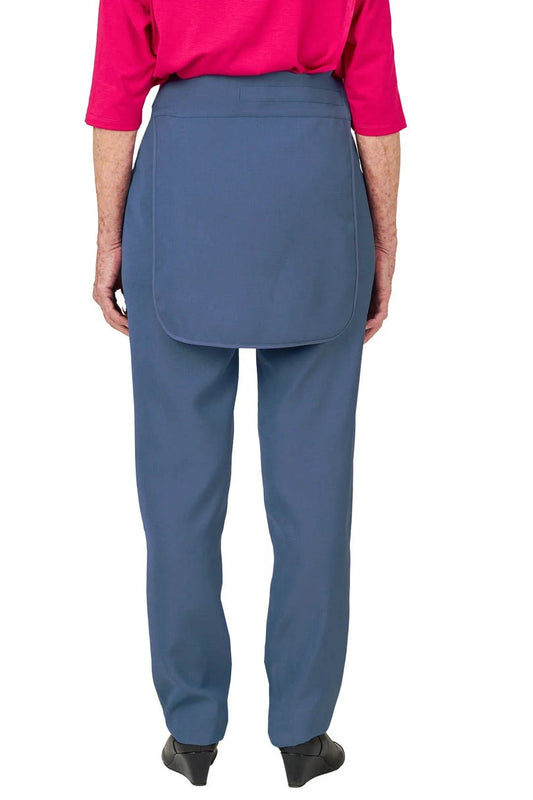
Take a look at some of our wonderful products that ensure that comfort and accessibility is possible.

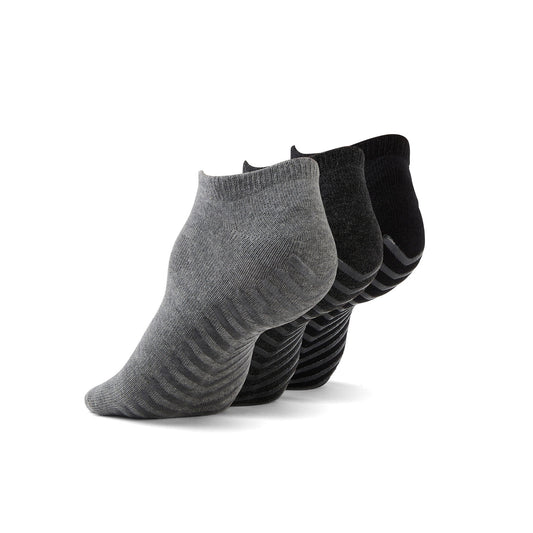
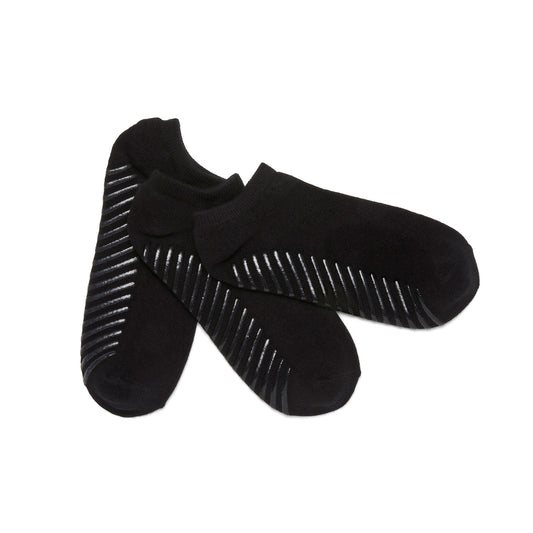
Unisex Diabetic Socks with Seamless Toe & Non-Binding Cuff

Women's Easy-Access Open-Back Floral Snap Top

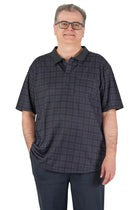
Men’s Adaptive Back-Opening Bamboo Sport Shirt
Conclusion
Adaptive clothing for women supports much more than convenience. It can make dressing easier, reduce discomfort, support recovery, accommodate medical devices, and help women feel more confident through different stages of life. From adaptive bras and open-back tops to soft dresses, flexible fabrics, and thoughtful styling, inclusive fashion helps women dress with greater comfort and control.
Women deserve clothing that reflects their lives, bodies, routines, and identities. Whether someone is dressing for everyday comfort, medical treatment, pregnancy, postpartum recovery, perimenopause, work, rest, or a special occasion, adaptive design can help make fashion more accessible and empowering.
At June Adaptive, we believe style should meet women where they are. Clothing should support independence, dignity, and self-expression; without asking anyone to sacrifice comfort.
If you enjoyed this blog, please sign up to the June Adaptive Newsletter below to receive more updates! Share your experience in our 5-minute survey to inform our new adaptive apparel launch. Get a chance to win a $50 gift card Link here