Adaptive Fashion for Wheelchair Users: Comfort Meets Mobility
⏳5 minutes of your time could win you a $50 gift card! 🎉Help us design our new adaptive apparel launch by sharing your experience. 👕 Link Here 👈
For wheelchair users, clothing is not just about how it looks while standing on a hanger or in a fitting room. It also needs to feel comfortable, move well, provide coverage, and reduce pressure while seated for long periods. Traditional fashion often overlooks these needs, creating barriers in fit, comfort, and confidence. Adaptive fashion helps close that gap by designing clothing around real seated movement, real routines, and real personal style.
The importance of seated-friendly fits
Most mainstream clothing is designed and photographed on standing bodies. Pants are cut to fall straight from the hip. Shirts are measured with standing posture in mind. Jackets are shaped to look best when arms hang naturally at the sides. But wheelchair users often experience clothing from a different position for most of the day: seated, moving, reaching, transferring, leaning, and navigating different environments.
That changes everything.
A pair of pants that looks perfect while standing may bunch at the front when seated. A shirt may ride up at the back. A jacket may pull across the shoulders. A dress may shift awkwardly across the lap. Seams, pockets, buttons, and waistbands may press into areas that become uncomfortable after hours of sitting.
Seated-friendly design considers the body in the position the clothing will actually be worn. This is one of the biggest differences between adaptive fashion and traditional fashion.
For wheelchair users, a seated-friendly fit may include:
-
Higher back rises on pants: This helps maintain coverage while seated and reduces the need for constant adjusting.
-
Lower front rises: This can reduce bunching and pressure around the stomach while sitting.
-
Longer back hems on tops: This helps prevent shirts from riding up and provides more comfortable coverage.
-
Shorter or shaped front hems: This can reduce fabric pooling in the lap.
-
Strategic seam placement: Moving seams away from high-pressure areas can help reduce irritation.
-
Accessible closures: Side zippers, magnetic-style fasteners, pull loops, and easy-grip details can make dressing easier.
These design choices may seem small, but they can make a major difference in daily life. Clothing that fits well while seated can reduce discomfort, support independence, and help the wearer feel more polished.
Seated-friendly design also helps shift the fashion conversation. It reminds the industry that a standing fit is not the only standard. Wheelchair users should not have to alter every garment, size up for comfort, or choose between looking stylish and feeling comfortable. Clothing should be designed for different ways of moving through the world.
At June Adaptive, this belief is central to inclusive design. A good garment should meet the wearer where they are, whether they are sitting, transferring, working, traveling, resting, or going out with friends.
Waistband adjustments and back coverage
Waistbands are one of the most important comfort details for wheelchair users. A traditional waistband may work while standing, but seated posture changes how fabric sits on the body. The waistband may dig into the front, gap at the back, roll down, press against the stomach, or shift during movement.
For someone seated for long periods, that discomfort can build throughout the day. It can affect posture, focus, skin comfort, and confidence. It can also make clothing feel like something that needs constant attention instead of something that supports the day.
Adaptive waistbands are designed to reduce those problems.
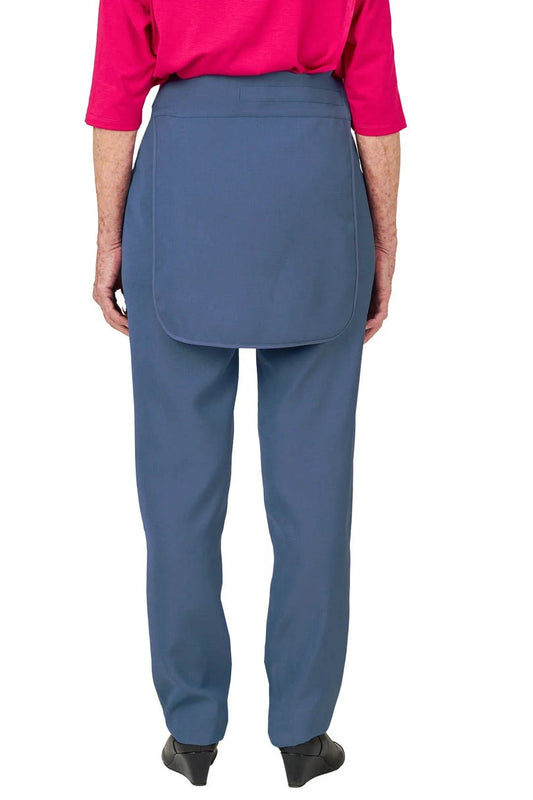
A higher back waistband can help provide coverage when seated or leaning forward. This is especially important for wheelchair users who experience back gapping in traditional pants. A lower or smoother front waistband can reduce pressure across the abdomen. Elastic sections, adjustable tabs, or flexible panels can help the garment move with the body rather than against it.
Back coverage also matters for tops, jackets, and outerwear. Many shirts ride up when seated, especially during reaching, pushing, transfers, or leaning. A longer back hem can help maintain coverage without requiring constant adjustment. Open-back and back-overlap designs can also support assisted dressing while still looking complete from the front.
Waistband and back-coverage features may include:
-
Elastic or adjustable waistbands: Helpful for comfort, swelling, sitting, and changing body needs throughout the day.
-
Higher back rises: Designed to reduce gapping and provide more reliable seated coverage.
-
Smooth front waistbands: Can reduce pressure and fabric bunching while sitting.
-
Back-overlap tops: Useful for assisted dressing while maintaining dignity and coverage.
-
Longer back panels: Help tops and jackets stay in place during seated movement.
These features are not only about modesty. They are about comfort, dignity, and ease. Constantly pulling down a shirt or adjusting a waistband can be frustrating and distracting. Clothing that stays where it should allows the wearer to focus on life instead of fabric.
For wheelchair users who dress with assistance, thoughtful openings and back coverage can also make the dressing process more respectful. A garment that opens in the right place can reduce pulling, twisting, and repositioning. That can make dressing easier for both the wearer and the caregiver.
Inclusive design recognizes that coverage, comfort, and access are connected. A better waistband or longer back hem is not just a technical detail—it is a design choice that helps people feel more secure throughout the day.
Fabrics designed for breathability and durability
Fabric choice matters in every garment, but it becomes especially important for wheelchair users. Clothing is often worn in constant contact with the seat, armrests, cushions, and mobility equipment. The fabric needs to feel good against the skin, hold up to repeated movement, and support comfort across long periods of sitting.
Breathability is a key factor. Sitting for extended periods can create heat and moisture buildup, especially around the back, thighs, and waist. Breathable fabrics can help improve comfort by allowing more airflow. Soft cotton blends, moisture-wicking materials, lightweight knits, and stretch fabrics can all support easier wear depending on the garment and season.
Durability is just as important. Wheelchair users may experience more friction in certain areas of clothing due to transfers, seat contact, or repeated movement. Pants may wear faster at the seat or thighs. Jackets may experience more stress around the shoulders and sleeves. Tops may stretch or pull during reaching and pushing. Durable fabrics help clothing last longer while maintaining shape and comfort.
Stretch is another useful feature. A small amount of stretch can make pants easier to pull on, help tops move with the shoulders, and reduce restriction during transfers. However, stretch should be balanced with structure. Clothing that stretches too much may lose shape, while clothing with no give may feel restrictive.
Good fabric choices for wheelchair-friendly clothing often focus on:
-
Softness: Reduces irritation, rubbing, and discomfort during long wear.
-
Breathability: Supports temperature comfort and helps reduce heat buildup.
-
Durability: Helps clothing withstand friction from sitting, transferring, and everyday movement.
-
Stretch recovery: Allows movement while helping garments keep their shape.
-
Smooth interiors: Minimizes pressure from seams, tags, and rough textures.
For people with sensory sensitivities, chronic pain, reduced sensation, or skin vulnerability, fabric texture can be especially important. A stiff seam or scratchy label can become more than a minor annoyance. It can affect whether a garment is wearable at all.
Adaptive fashion should not treat fabric as an afterthought. The feel, weight, stretch, and durability of the material are part of the accessibility of the garment.
A breathable, durable pant can support a full workday. A soft open-back top can make assisted dressing more comfortable. A stretch denim fabric can give the look of classic jeans while reducing pressure and restriction. These material choices help adaptive clothing feel less clinical and more like everyday fashion.
Adapting denim and casual wear for comfort
Denim is one of the most familiar clothing categories in everyday fashion, but traditional jeans are often not designed with wheelchair users in mind. Standard jeans can have stiff waistbands, thick back pockets, rigid seams, metal rivets, and cuts that bunch while seated. What looks casual and effortless for one person may feel uncomfortable or impractical for someone who spends most of the day sitting.
Adaptive denim changes that.
Wheelchair-friendly jeans may include a higher back rise, lower front rise, elastic waistband, stretch denim, side openings, pull loops, smooth back panels, or pockets placed where they are easier to access while seated. These changes help preserve the style of denim while making it more functional.
Back pockets are a good example. On traditional jeans, back pockets can create pressure when seated for long periods. For wheelchair users, smoother back panels or repositioned pockets can reduce discomfort. Front pockets may also be difficult to access while seated, so thigh pockets, side pockets, or zippered pockets can be more practical.
Side zippers or side openings can make jeans easier to put on and remove, especially for people with limited mobility or caregiver support. Stretch denim can help reduce restriction during transfers, reaching, or long sitting periods. Pull loops can make dressing more manageable and support independence.
Adaptive casual wear goes beyond denim. Everyday clothing like joggers, hoodies, T-shirts, jackets, dresses, and loungewear can all be improved through seated-friendly design.
Adaptive casual wear may include:
-
Open-back tops: Helpful for assisted dressing while maintaining a familiar everyday look.
-
Side-zip pants: Easier to dress in while seated or with limited lower-body mobility.
-
Elastic waist joggers: Comfortable for casual wear, travel, therapy, appointments, or relaxing at home.
-
Seated-fit jackets: Designed to reduce bunching at the front and provide better back coverage.
-
Accessible pockets: Placed where they can be reached from a seated position.
The goal is to keep casual style casual. Adaptive clothing should not make someone feel like they are dressing for a medical appointment unless that is what they want. It should offer the same everyday categories everyone else enjoys—jeans, tees, hoodies, jackets, dresses, and comfortable basics—just designed more thoughtfully.
Denim is especially powerful because it is such a universal wardrobe staple. When adaptive denim works well, it gives wheelchair users access to a classic form of self-expression. It says comfort and style can belong in the same pair of jeans.
Inclusive design stories from wheelchair users
The most meaningful adaptive fashion ideas often come from lived experience. Wheelchair users understand details that may never occur to designers who have not navigated clothing from a seated perspective. That insight is essential.
A designer might focus on how a pant looks on a mannequin, while a wheelchair user may notice how the waistband feels after six hours of sitting. A brand might add a stylish pocket, while a wheelchair user may point out that the pocket is impossible to reach. A jacket may look polished in a photo, but the wearer may find that it bunches in the lap or restricts pushing motion.
This is why inclusive design should include wheelchair users from the beginning, not just during the final review. Real feedback helps brands create clothing that is not only attractive but genuinely useful.
Inclusive design stories often reveal practical needs such as:
-
A student wanting jeans that feel stylish on campus but do not dig into the waist during lectures.
-
A professional needing seated-fit pants that look polished in meetings.
-
A traveler looking for breathable, easy-on clothing that works during long flights or road trips.
-
A wheelchair user wanting pockets that can be reached without twisting or straining.
-
A person who receives dressing assistance wanting clothing that feels dignified and not overly clinical.
-
Someone looking for adaptive clothing that reflects their personality, not just their mobility needs.
These stories matter because they show that adaptive fashion is not one-size-fits-all. Wheelchair users have different styles, jobs, hobbies, bodies, preferences, and routines. Some want clothing that looks completely mainstream. Others enjoy visible adaptive features. Some prioritize independence. Others prioritize comfort, assisted dressing, or skin protection. Many want all of the above.
Listening to these experiences helps fashion become more responsive and respectful.
It also helps challenge outdated assumptions. Wheelchair users are not asking for less style. They are asking for better design. They are asking for clothing that recognizes seated movement, pressure points, transfers, coverage, independence, and identity. They are asking for fashion that understands that mobility devices are part of life, not barriers to style.
At June Adaptive, we believe lived experience should guide inclusive innovation. Every product decision should be shaped by real people and real routines. When wheelchair users are included in the design process, the result is better clothing—not only for wheelchair users, but for anyone who values comfort, flexibility, and thoughtful fit.
Take a look at some of our wonderful products that ensure that comfort and accessibility is possible.

Women’s Side-Opening Easy Dressing Elastic Waist Pants

Women's Bow Long Sleeve Nightgown

Women’s Adaptive Open-Back Tonal Knit Dress
Conclusion
Adaptive fashion for wheelchair users brings comfort, mobility, and style together through intentional design. Seated-friendly fits, adjustable waistbands, better back coverage, breathable fabrics, durable materials, and adaptive denim can all make everyday dressing easier and more confidence-building.
Wheelchair users deserve clothing that works in the position they live, move, work, and express themselves in. They should not have to compromise between comfort and personal style or between independence and polished presentation.
At June Adaptive, we believe inclusive fashion starts by listening. When clothing is designed around real seated experiences, it can support dignity, confidence, and freedom of movement. Comfort meets mobility when fashion finally fits the way people actually live.
If you enjoyed this blog, please sign up to the June Adaptive Newsletter below to receive more updates! Share your experience in our 5-minute survey to inform our new adaptive apparel launch. Get a chance to win a $50 gift card Link here