Written By: Shreeya Shah
Panthenol in Sensitive Skin Formulas: Why Dermatologists Keep Recommending It
If you've ever flipped over a moisturizer or body lotion and spotted "panthenol" somewhere in the ingredient list, you're not alone in wondering what it actually does and whether it's worth the hype. Panthenol, also known as pro-vitamin B5, has quietly become one of the most trusted ingredients in sensitive skin care, earning a consistent place on dermatologists' recommended lists across the country. At June Adaptive, we believe that caring for your skin is just as important as caring for your comfort, especially for individuals whose clothing and daily routines need to work a little harder for them. So let's take a closer look at why this unassuming ingredient deserves a permanent spot in your skincare routine.
Pro-Vitamin B5 Conversion and Skin Penetration
Here's something that makes panthenol genuinely remarkable: it's a precursor, not a finished product. When you apply panthenol to your skin, your body converts it into pantothenic acid, the active form of vitamin B5, right there in the skin's layers. This conversion process is part of what makes it so effective and so gentle. Unlike some active ingredients that sit on the surface or require a carrier to penetrate deeply, panthenol is naturally water-soluble and absorbs readily into the epidermis.
According to research published by the National Institutes of Health (NIH), panthenol's small molecular structure allows it to penetrate the skin's outer layers efficiently, reaching the deeper epidermal cells where it can do the most good. This is especially meaningful for people with sensitive or reactive skin, where the goal isn't just surface-level hydration but supporting the skin from the inside out.
For people who wear adaptive clothing or assistive devices, such as braces, compression garments, or prosthetics, this deep-penetrating action matters. Skin that is regularly in contact with medical-grade materials can become dry, irritated, or compromised over time. Panthenol's ability to work at the cellular level makes it a go-to ally for maintaining healthy, resilient skin under those conditions.
Humectant Properties and Barrier Repair Mechanisms
Panthenol pulls double duty as both a humectant and an emollient and that combination is rarer than you might think. As a humectant, it draws moisture from the environment (and from deeper skin layers) up into the outer skin. As an emollient, it softens and smooths skin texture, filling in the microscopic gaps between skin cells that can lead to roughness and flaking.
What really sets panthenol apart, though, is its role in barrier repair. The skin's outermost layer, the stratum corneum, acts like a wall, keeping moisture in and irritants out. When that barrier is compromised (by eczema, over-washing, friction from clothing, or environmental stressors), the skin becomes vulnerable to inflammation and water loss.
Here's what the science tells us about how panthenol supports barrier function:
-
It stimulates fibroblast proliferation. Research from the NIH indicates that panthenol encourages the production of fibroblasts, the cells responsible for wound healing and collagen synthesis. In practical terms, this means your skin can repair itself more efficiently when panthenol is present.
-
It reduces transepidermal water loss (TEWL). A key marker of skin barrier health, TEWL measures how much water evaporates through your skin. Studies show that topical panthenol significantly reduces TEWL, keeping skin better hydrated over time.
-
It acts as an anti-inflammatory agent. Panthenol has been shown to calm redness and reduce skin irritation, which is why it's commonly found in products designed for post-procedure skin, eczema-prone skin, and diaper rash creams, which are applications where inflammation is a central concern.
-
It supports lipid synthesis. Healthy skin barrier function depends partly on lipids, which are fats that cement skin cells together. Panthenol has been found to encourage the production of these essential lipids, helping rebuild the barrier from the ground up.
Clinical Studies Demonstrating Efficacy
This isn't a case of marketing language outpacing the science. Panthenol has a solid clinical track record. Let's look at what the research actually says.
A frequently cited study published in Skin Pharmacology and Physiology demonstrated that a 1% panthenol-containing moisturizer significantly improved skin hydration and reduced roughness in participants with dry skin after just two weeks of use. Another study highlighted in the Journal of Dermatological Treatment found that panthenol accelerated the healing of minor skin wounds and reduced the time it took for the skin to return to its baseline barrier function.
The American Academy of Dermatology (AAD) includes panthenol among the ingredients it recognizes as beneficial for sensitive and eczema-prone skin. Dermatologists frequently recommend it as a foundational element in skincare routines for patients managing conditions like atopic dermatitis, contact dermatitis, and general reactive skin.
What makes panthenol stand out in a landscape crowded with buzzy actives is its safety profile. It's non-irritating, non-comedogenic (meaning it won't clog pores), and suitable for use across all skin tones and types, including pediatric skin. For a community as diverse as ours at June Adaptive, where we celebrate the full spectrum of bodies, abilities, and skin types, an ingredient that works for everyone carries real weight.
Concentration Levels That Matter
Not all panthenol formulas are created equal. The amount of panthenol in a product significantly affects how well it performs, and knowing what to look for on a label can help you make smarter skincare choices.
Here's a quick breakdown of what concentration ranges tend to deliver:
-
0.1%–1%: Found in many mainstream moisturizers and toners, this range provides mild hydrating and soothing benefits. It's a good everyday maintenance level for people with normal to slightly sensitive skin.
-
1%–5%: This is the sweet spot for most clinical applications. Products in this range, including many dermatologist-recommended moisturizers and barrier creams, are where you'll see the most meaningful improvement in hydration, barrier repair, and anti-inflammatory effects. Most peer-reviewed studies use concentrations in this range.
-
5% and above: Higher concentrations are typically found in wound-healing products, post-procedure creams, and specialized medical skincare formulas. These are often recommended under dermatologist's supervision for more acute skin concerns.
A practical tip: when scanning an ingredient list, panthenol listed within the first five to eight ingredients generally signals a higher concentration and therefore a more effective formula. If it's buried near the bottom, it may be present more for marketing purposes than therapeutic impact.
Product Formats Delivering Panthenol Effectively
Panthenol's versatility is part of what makes it so popular it plays well with a wide range of product formats. Whether you prefer a lightweight lotion or a thick barrier cream, there's likely a panthenol-containing formula suited to your routine.
Creams and lotions are the most common delivery format for panthenol. The occlusive or semi-occlusive base helps lock in the moisture that panthenol draws in, making this combination particularly effective for dry and sensitive skin. Look for formulas that pair panthenol with ceramides or hyaluronic acid for an amplified barrier-repair effect.
Serums offer a more concentrated dose in a lightweight texture, making them a good option for layering under moisturizer. Serums allow panthenol to penetrate quickly before a heavier product is applied on top.
Body washes and cleansers increasingly include panthenol to offset the drying effects of surfactants. For people who shower frequently, whether due to personal preference, medical routines, or physical activity, a panthenol-enriched cleanser can meaningfully reduce post-wash dryness.
Diaper creams and wound-healing ointments have long used panthenol as a primary active. These products often contain the highest concentrations and are specifically designed to support rapid skin recovery, which is a helpful reminder that panthenol's credentials extend well beyond cosmetic skincare.
A few things to keep in mind when choosing your format:
-
For under adaptive garments or compression wear: Opt for fast-absorbing lotions or serums that won't interfere with the fit or function of your clothing. Heavier creams can sometimes affect the grip of compression sleeves or the adhesion of prosthetic liners.
-
For nighttime use: Richer cream formulas are ideal, as the skin does much of its repair work while you sleep. Applying a panthenol-rich cream before bed gives your skin a longer, uninterrupted window to absorb and benefit.
-
For sensitive facial skin: Look for fragrance-free, dye-free formulas specifically designed for facial use, even if panthenol is the star ingredient. Facial skin is thinner and more reactive, and the surrounding formula matters just as much as the active itself.
The Bigger Picture: Skin Health as Part of Inclusive Wellness
At June Adaptive, we talk a lot about the intersection of design and dignity. The idea that clothing and products should work for you, not against you. Skincare is no different. Understanding what's in your products, why it's there, and how it functions at a biological level is a form of self-advocacy. And for our community, people navigating life with disabilities, chronic conditions, or adaptive needs, that knowledge can translate directly into fewer skin complications, better comfort, and greater confidence.
Panthenol isn't a miracle ingredient, but it's a genuinely effective, well-studied, and accessible one. Whether you're managing sensitive skin, recovering from irritation caused by adaptive equipment, or simply looking to build a more intentional skincare routine, pro-vitamin B5 is a sound, science-backed place to start.
As always, if you have specific skin concerns or conditions, consult with a board-certified dermatologist who can guide your skincare decisions based on your individual needs.
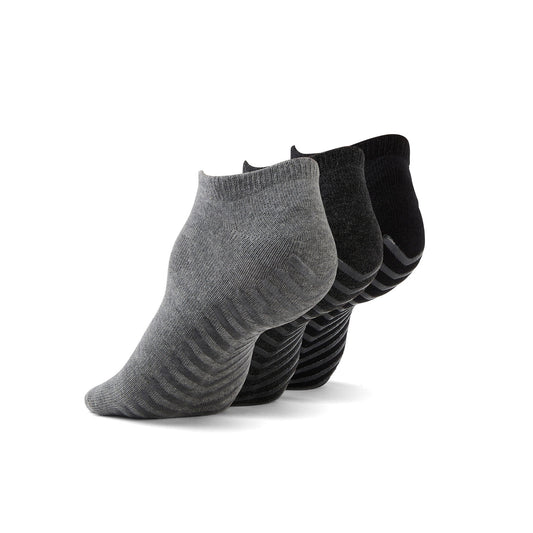
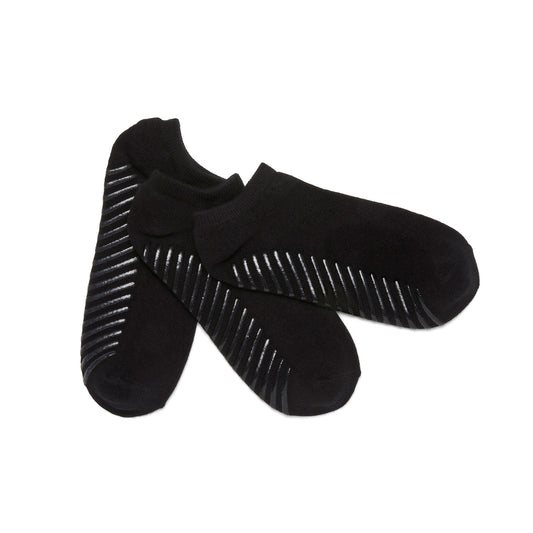
At June Adaptive, we have a wide variety of very accommodating products where comfort and quality are our highest priority. Our high-quality products focus on all types of accessible needs so that your day can go as smoothly and carefree as possible. Take a look at the Diabetic Anti-Slip Socks, Women's Easy-Access Open-Back Floral Snap Top, and the Women’s Side-Opening Easy Dressing Elastic Waist Pants.


Women's Easy-Access Open-Back Floral Snap Top

Women’s Side-Opening Easy Dressing Elastic Waist Pants
If you enjoyed this blog, please sign up to the June Adaptive Newsletter below to receive more updates! Share your experience in our 5-minute survey to inform our new adaptive apparel launch. Get a chance to win a $50 gift card Link here