Written By: Shreeya Shah
The Future of Accessible Beauty
For decades, the beauty industry designed products for a narrow slice of the population and called it universal. That is changing fast, and the momentum behind accessible beauty is no longer a quiet conversation happening at the margins. According to Spate's Future of Beauty report, inclusive beauty brands grew 1.5 times faster than their less inclusive competitors in 2024, and the data shows no signs of slowing down. At June Adaptive, where we have always believed that clothing and products should work for every body and every ability, we see the rise of accessible beauty as part of the same movement we have been proud to champion for years. Let us take a look at what the future holds and why it matters deeply to our community.
Anticipated Product Line Expansions
If the last few years have been about proving accessible beauty is possible, the next few years are about proving how far it can go. The early wave of accessible beauty focused largely on packaging: easier-to-open lids, ergonomic grips, magnetic closures, and braille labeling. Those innovations were meaningful and necessary, but they were just the beginning.
What is coming next is an expansion of accessible design into product categories that have historically been the least accommodating. Oral care is one area identified by global beauty insight platform BEAUTYSTREAMS as a significant growth opportunity for adaptive beauty. People with physical disabilities, limited hand strength, or mobility challenges often struggle with standard oral hygiene tools, and brands are beginning to recognize that gap as a product development opportunity rather than an edge case.
Skincare is another frontier. With 48% of Americans living with some form of longer-term medical condition, according to research from GWI, the demand for adaptive skincare products that account for limited dexterity, changing skin sensitivities, and medical needs is growing steadily. Expect to see more single-hand-operable pumps, airless dispensers that require minimal pressure, and formulas developed in collaboration with occupational therapists and dermatologists to serve sensitive or compromised skin.
Fragrance, historically one of the least accessible beauty categories because of its reliance on small, slippery atomizers, is already seeing innovation in this space. Rare Beauty's 2025 fragrance launch introduced a custom bottle engineered for palm-press application, signaling that even the most design-traditional categories can be reimagined with accessibility at the center.
Here is what product expansion in accessible beauty is increasingly looking like:
-
Adaptive tools alongside products. Brands are beginning to pair cosmetics with assistive application tools, such as elongated brush handles, suction-cup base stabilizers, and applicators designed for single-hand use, recognizing that the product and the experience of using it are inseparable.
-
Sensory-friendly formulations. Searches for "sensory-friendly" beauty solutions grew 367.8% year over year, according to Spate's Future of Beauty report, reflecting growing consumer awareness of and demand for products designed for neurodiverse individuals and those with sensory sensitivities.
-
Refillable and sustainable accessible formats. Brands like Tilt Beauty are proving that accessibility and sustainability are not competing goals. Refillable packaging reduces both environmental impact and long-term costs, a meaningful consideration for people with disabilities who are statistically more likely to face financial constraints.
Emerging Accessibility Standards and Regulations
The regulatory landscape around accessibility is evolving, and for beauty brands, that shift carries both opportunity and responsibility. While no single federal regulation currently mandates accessible physical product packaging for consumer beauty goods, the legal and cultural pressure to meet accessibility standards is real and intensifying.
The Americans with Disabilities Act continues to set the baseline for how businesses must accommodate people with disabilities in the United States. As the ADA's reach has extended into digital spaces, beauty brands' websites, apps, and e-commerce platforms are increasingly expected to meet Web Content Accessibility Guidelines (WCAG) standards. This matters for the accessible beauty space because the shopping experience is just as important as the product itself. A shopper who cannot navigate a website, read a product description, or complete a checkout process with assistive technology is excluded before they even get to the product.
The U.S. Access Board and the Department of Justice's Title II rule, set to fully phase in by 2026, is expanding digital accessibility requirements for organizations that serve the public, with private businesses watching closely as legal precedent continues to build in this area. Nearly 2,800 ADA-related digital accessibility lawsuits were filed in federal courts in 2023 alone, according to Level Access, making web and digital accessibility a concrete business risk for any brand that has not yet prioritized it.
On the product side, voluntary certification programs are filling the gap that federal regulation has not yet addressed. The Arthritis Foundation's Ease of Use certification program, which Tilt Beauty earned as the first-ever beauty brand to receive it, is an example of a third-party verification process that gives consumers meaningful, reliable information about whether a product is genuinely usable. As consumer awareness of these certifications grows, expect them to carry more weight in purchasing decisions.
For brands that serve the disability community, the clearest takeaway from the regulatory environment is this: accessibility is no longer simply an ethical aspiration. It is increasingly a legal baseline, a market differentiator, and a growing consumer expectation all at once.
Technology Integration in Future Product Development
If there is one development that has the potential to reshape accessible beauty faster than any other, it is the integration of artificial intelligence and assistive technology into the beauty experience. And it is already happening.
At CES 2025, Amorepacific unveiled a voice-activated AI beauty chatbot designed to help users discover personalized makeup looks and access virtual try-ons, a direct response to the reality that many consumers with vision impairment or limited mobility cannot navigate standard beauty apps or physical store experiences. Voice activation in beauty technology is not a novelty. It is a practical accessibility tool that removes the touch-based barriers that have historically excluded many users.
Estée Lauder's AI voice-enabled makeup assistant is another landmark example of technology meeting accessibility need in a concrete way. The tool allows users who are blind or have low vision to apply makeup with audio guidance, a development that analysts at Happi have identified as a driver of change in the inclusive beauty tech movement alongside L'Oréal's My Aura adaptive cosmetics device.
For brands, AI is also accelerating the product development process in ways that benefit accessibility. AI-powered skin analysis tools can capture a broader range of skin tones, conditions, and concerns than traditional testing methods, making it easier to develop inclusive formulas from the start rather than retrofitting them later. Optical character recognition is helping brands audit and improve their packaging labeling for clarity and accessibility compliance. And generative AI is enabling more rapid prototyping of accessible packaging designs, shortening the development cycle that historically made accessible design feel cost-prohibitive.
Here is how technology is reshaping the accessible beauty experience right now:
-
Virtual try-on tools with accessibility built in. The most forward-thinking beauty tech platforms are incorporating features like voice commands, high-contrast display modes, and screen reader compatibility alongside their augmented reality try-on experiences, ensuring the technology does not create new barriers while solving old ones.
-
AI-driven personalization for diverse skin needs. Deep learning tools can now analyze skin across a much wider range of conditions, including those caused by medications, chronic illness, or medical procedures, giving people with complex skin needs product recommendations that actually account for their reality.
-
Smart packaging and assistive device integration. Near-field communication (NFC) tags embedded in product packaging allow users to tap their smartphone to a product and instantly access audio descriptions, ingredient lists, application instructions, or alternative format content. This kind of quiet technology upgrade has enormous potential for visually impaired consumers and those who rely on assistive devices.
Scaling Accessibility Without Sacrificing Quality
One of the most persistent myths in accessible design, whether in beauty, fashion, or any other consumer category, is that making something accessible requires compromising on quality, aesthetics, or performance. The data tells a very different story.
The 2025 SeeMe Inclusivity Index for Beauty, which evaluated over 100 U.S. beauty brands across six key identity dimensions including visible disability, found that certified inclusive brands outpaced their less inclusive competitors by three percentage points in growth for the second consecutive year. Inclusive brands are not just doing good. They are growing faster, earning more loyalty, and attracting consumers who hold their purchasing decisions to a higher standard.
Scaling accessibility without sacrificing quality requires three things: intentional design from the start, meaningful community engagement throughout the process, and an organizational commitment that extends beyond a single product launch. The brands that are getting this right share a common approach: they treat people with disabilities as design partners, not as a target market to be served from a distance.
That means usability testing with real users who have the conditions the product is designed for, not just simulated testing conditions. It means hiring designers and developers with disabilities. And it means building supply chains and manufacturing partnerships capable of producing accessible features at scale, whether that is ergonomic molds for packaging, braille embossing for cartons, or refill systems that reduce both cost and environmental footprint over time.
For brands wondering whether scaling accessibility is financially viable, the numbers make a compelling argument. Only 20% of consumers who have difficulty finding suitable beauty products currently shop at beauty stores, according to GWI, representing a significant untapped market of people who are ready to buy when the right products exist. And with 95.1% of disabled consumers reporting that there are not enough accessible beauty options, the gap between demand and supply is enormous.
Your Role in Advocating for Continued Innovation and Inclusivity
Here is something the beauty and adaptive design industries have both learned the hard way: the most powerful force for change is not regulatory pressure or market data. It is the voice of the people who need these products most.
Every time you share your experience with an accessible product, good or not so good, you are contributing to the feedback loop that shapes future development. When you review a product and mention that the lid was difficult to open, that feedback reaches brand teams. When you post about a product that finally got it right, that visibility encourages other brands to follow suit. When you complete a survey about your needs and preferences, like the one June Adaptive has linked throughout this post, you are directly informing the decisions that determine what gets designed and built next.
Advocacy in the accessible beauty and adaptive design space does not require a platform or a following. It requires showing up, speaking honestly, and trusting that your experience matters. Because it does. The progress that has been made in accessible beauty, from the Arthritis Foundation's first-ever beauty certification to AI voice-enabled makeup tools to refillable adaptive packaging, happened because people with disabilities refused to accept exclusion as inevitable and kept pushing for something better.
Here is what meaningful advocacy looks like in everyday life:
-
Leave detailed product reviews. Mention accessibility features, or the lack of them, in your reviews. Brands read this feedback, and other consumers with similar needs rely on it to make informed purchasing decisions.
-
Support and share brands that get it right. When accessible design is done well, amplifying it signals to the market that this is what consumers want and are willing to pay for. Word of mouth from trusted community members carries more weight than most advertising campaigns.
-
Engage with brands directly. Many accessible beauty and adaptive clothing brands, including those just starting out, actively seek community input. Responding to surveys, attending focus groups, or simply sending an email about your experience contributes to the design process in ways that are more direct than most people realize.
-
Hold brands accountable. When a brand makes an accessibility claim that does not hold up in practice, saying so publicly and respectfully is a legitimate and important form of advocacy. Consumer trust in the accessible design space is built on honesty, and the community's ability to call out gaps is part of what keeps brands on track.
At June Adaptive, we design with our community, not just for them, and the accessible beauty brands leading this space share that same commitment. The future of inclusive design is being built right now, and your voice is part of what is building it.
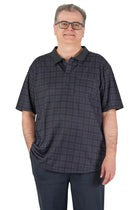
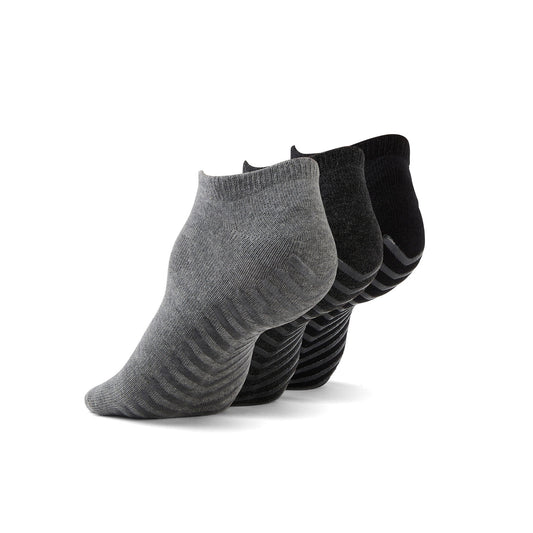
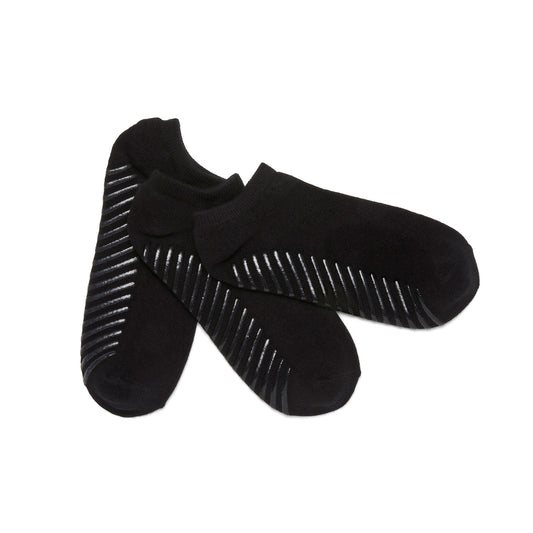
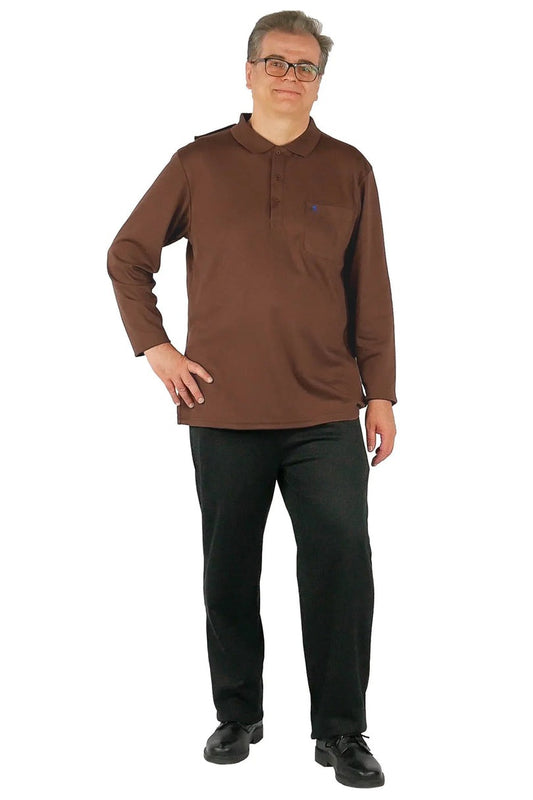
Take a look at some of our wonderful products that ensure that comfort and accessibility is possible.

Women’s Side-Opening Easy Dressing Elastic Waist Pants

Women’s Adaptive Open-Back Tonal Knit Dress

Women's Bow Long Sleeve Nightgown
If you enjoyed this blog, please sign up to the June Adaptive Newsletter below to receive more updates! Share your experience in our 5-minute survey to inform our new adaptive apparel launch. Get a chance to win a $50 gift card Link here