Written by: Fatima Faruq
Adaptive Clothing for Amputees and Prosthetic Users: Planning for Comfort, Mobility, and Confidence
Written by June Adaptive
Living with limb loss or using a prosthetic device presents unique challenges when it comes to clothing. While prosthetic technology continues to advance, many traditional clothing designs still fail to account for prosthetic sockets, liners, suspension systems, harnesses, and changing skin needs. Something as simple as putting on a pair of pants or layering a jacket can become frustrating if clothing is restrictive or difficult to manage.
Fortunately, adaptive clothing and thoughtfully designed everyday apparel can make dressing easier, more comfortable, and more accessible. By choosing garments that work alongside prosthetic devices rather than against them, individuals can maintain their independence while expressing their personal style with confidence.
Clothing Considerations Around Sockets, Liners, and Skin Changes
For many prosthetic users, comfort starts with understanding how clothing interacts with prosthetic components. Sockets and liners often create additional bulk around the residual limb, making traditional clothing feel tight or restrictive. Some individuals also experience changes in limb volume throughout the day, causing fluctuations in fit and comfort.
Skin sensitivity is another common concern. Friction from seams, tight waistbands, or rough fabrics can lead to irritation around prosthetic contact points. Soft fabrics, flexible waistbands, and clothing with a bit of stretch can help minimize discomfort while providing greater freedom of movement.
When shopping for clothing, it is often helpful to look for:
-
Soft, breathable fabrics
-
Stretch materials that move with the body
-
Relaxed or adjustable fits
-
Minimal seams around sensitive areas
-
Easy dressing features that simplify daily routines
Choosing clothing with these features can help support comfort throughout long days of work, travel, rehabilitation, and everyday activities.
Pants, Shorts, and Skirts That Function With Prosthetic Components
Finding comfortable bottoms is often one of the biggest challenges for prosthetic users. Traditional pants may fit well while standing but become restrictive when sitting or when accommodating a prosthetic device.
The Good Vibes Only - Gender Neutral Sweatpants offer a comfortable option that balances style and practicality. Their relaxed fit and easy pull-on design provide flexibility for a variety of mobility needs while offering all-day comfort. Soft fabric and an elastic waistband help accommodate changing comfort levels without creating unnecessary pressure around prosthetic components.

Good Vibes Only - Gender Neutral Sweatpants
Many prosthetic users find that flexible waistbands and relaxed fits provide greater comfort than rigid denim or structured trousers. For individuals who wear lower-limb prosthetics, clothing that allows easy access to the prosthesis can also simplify adjustments throughout the day.
The goal is to find clothing that supports movement rather than restricting it.
Tops and Jackets That Accommodate Harnesses and Straps
Upper-limb prosthetic users may face different challenges when selecting shirts, sweaters, and outerwear. Harnesses, straps, and prosthetic components can create pressure points beneath traditional clothing, making certain garments uncomfortable during extended wear.
Layering pieces with relaxed fits often work well because they provide additional room without appearing oversized. Lightweight fabrics can also help prevent overheating when prosthetic systems add extra layers close to the body.
The Good Vibes - Gender Neutral Zip Up Hoodie is an excellent option for prosthetic users looking for both comfort and versatility. The full-zip design makes it easy to put on and remove, while the relaxed fit helps accommodate harnesses, straps, and mobility devices without feeling restrictive.

Good Vibes - Gender Neutral Zip Up Hoodie
Clothing that allows easy access to prosthetic components can make daily adjustments much simpler while reducing frustration during dressing routines.
Balancing Easy Access With Personal Privacy and Style
Many prosthetic users need occasional access to their prosthesis for adjustments, skin checks, or maintenance. At the same time, they may prefer clothing that does not draw attention to medical devices or adaptive needs.
This balance between accessibility and personal privacy is one of the most important considerations when building a wardrobe.
Fortunately, adaptive and inclusive fashion continues to evolve. Today's clothing options allow individuals to choose how much of their prosthetic device they want visible while still enjoying fashionable, modern styles.
The best adaptive clothing supports personal choice. Some people prefer garments that provide quick access to prosthetic components, while others prioritize a seamless appearance that blends naturally into their everyday wardrobe. Neither approach is right or wrong—the goal is to support individual preferences and confidence.
Tips for Modifying Store-Bought Clothes vs. Choosing Adaptive Clothing
Many prosthetic users successfully modify existing clothing to better meet their needs. Simple alterations such as widening pant legs, adding side zippers, replacing buttons with magnets, or adjusting sleeve openings can make a significant difference.
Working with a tailor can often transform favorite clothing pieces into more accessible garments without changing their appearance.
However, adaptive clothing offers advantages that modifications cannot always provide. Adaptive garments are intentionally designed around accessibility, comfort, and ease of dressing from the start. Features are integrated directly into the design, helping reduce the need for extensive alterations.
Whether choosing adaptive clothing or modifying existing garments, comfort should always remain the top priority.
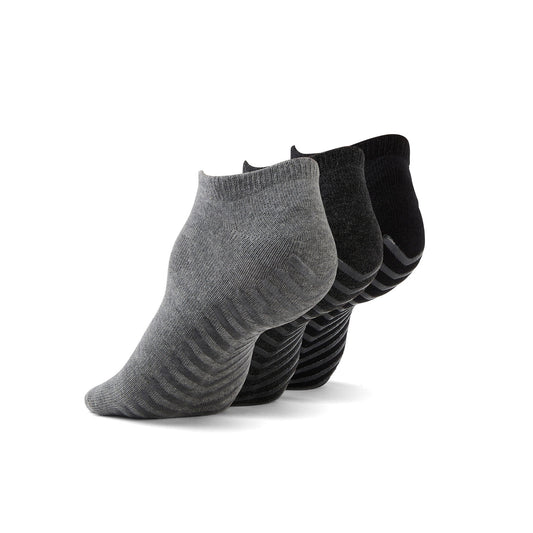
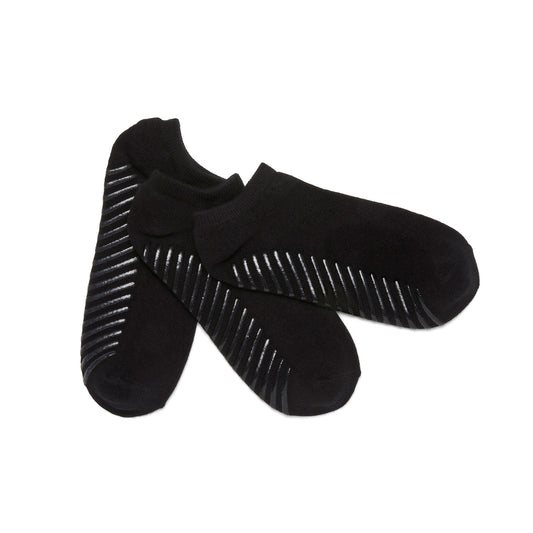
Even small additions can improve daily comfort. The Everyday Crew Anti-Slip Socks provide extra stability and comfort around the home while helping reduce slips on smooth flooring. Their soft construction and practical design make them a useful addition to any adaptive wardrobe.

Final Thoughts
Adaptive clothing for amputees and prosthetic users is about much more than convenience. The right clothing can improve comfort, simplify dressing, reduce skin irritation, and support confidence throughout the day.
From comfortable bottoms that accommodate prosthetic components to outerwear that works with harness systems, thoughtful clothing choices can make a meaningful difference in daily life.
Whether you choose adaptive apparel, modify existing garments, or combine both approaches, building a wardrobe that works with your body—not against it—can help you maintain independence, comfort, and personal style every step of the way.