Written by: Fatima Faruq
Adaptive Clothing for People with ALS, MS, and Progressive Conditions: Planning a Wardrobe That Can Adapt as Needs Change
Written by June Adaptive
Living with a progressive condition such as Amyotrophic Lateral Sclerosis (ALS), Multiple Sclerosis (MS), Parkinson’s disease, or other neuromuscular disorders often means that mobility, strength, and dexterity can change over time. As needs evolve, everyday tasks that were once simple—such as getting dressed—may require more effort and support.
Adaptive clothing can play an important role in maintaining comfort, dignity, and independence throughout every stage of a person's journey. By planning a wardrobe that can adapt alongside changing abilities, individuals and caregivers can reduce daily stress while ensuring clothing remains functional, comfortable, and stylish.
Early-Stage vs. Later-Stage Dressing Priorities
One of the challenges of progressive conditions is that dressing needs may change significantly over time.
In the early stages of ALS, MS, or other progressive conditions, individuals may still dress independently but experience occasional fatigue, weakness, stiffness, or reduced hand dexterity. During this stage, clothing that minimizes effort can help preserve energy throughout the day. Features such as elastic waistbands, pull-on designs, magnetic closures, and soft stretch fabrics make dressing easier while maintaining a familiar look and feel.
As mobility changes, clothing priorities often shift toward ease of access and caregiver assistance. Open-back garments, side-opening pants, and seated-friendly designs can reduce the physical effort required during dressing while helping individuals remain comfortable throughout the day.
Planning ahead by choosing adaptable clothing early can help create consistency and familiarity as needs evolve, making future transitions less overwhelming.
Choosing Garments That Work for Both Home and Medical Visits
People living with progressive conditions often spend time moving between home environments, therapy appointments, specialist visits, and medical procedures. Clothing that works well in multiple settings can simplify daily routines and reduce unnecessary wardrobe changes.
The Women's Open-Back Easy Dressing Stretch Sleepwear is a great example of clothing that balances comfort with practicality. Its adaptive open-back design simplifies dressing while maintaining a comfortable and polished appearance suitable for both home use and medical settings. Soft stretch fabric provides comfort throughout long days, whether relaxing at home or attending appointments.

Women's Open-Back Easy Dressing Stretch Sleepwear
When selecting clothing for medical visits, consider garments that:
-
Allow quick access for examinations or treatments
-
Reduce the need for complete undressing
-
Provide comfort during extended periods of sitting
-
Remain stylish and confidence-boosting outside clinical settings
These features can help make healthcare appointments less stressful for both individuals and caregivers.
Clothing That Reduces Caregiver Lift and Reposition Strain
As progressive conditions advance, dressing may require assistance from family members, healthcare professionals, or caregivers. Traditional clothing often requires significant lifting, twisting, or repositioning during dressing routines, creating physical strain for everyone involved.
Adaptive clothing is specifically designed to reduce these challenges.
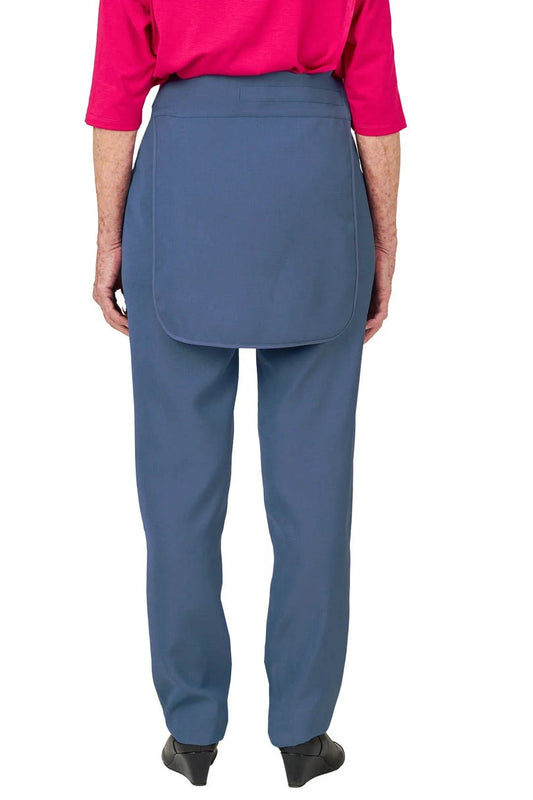
The Women's Back-Overlap Assisted Dressing Adaptive Knit Pants feature a comfortable adaptive design that allows caregivers to assist with dressing more easily while minimizing unnecessary movement. Soft knit fabric provides comfort throughout the day, while the adaptive construction helps simplify dressing routines for both seated and lying positions.

Women's Back-Overlap Assisted Dressing Adaptive Knit Pants
Clothing that reduces caregiver strain often includes:
-
Open-back designs
-
Side-opening pants
-
Elastic waistbands
-
Stretch fabrics
-
Seated-friendly fits
These features can help reduce physical effort while improving comfort and dignity during dressing assistance.
Emotional Support Through Clothing During Progression
Clothing is about much more than getting dressed. It can influence confidence, self-expression, identity, and emotional well-being.
For many individuals living with ALS, MS, or other progressive conditions, physical changes may sometimes feel like a loss of independence. Adaptive clothing can help restore a sense of control by allowing people to continue expressing their personal style while accommodating changing physical needs.
Comfortable, familiar clothing can provide emotional reassurance during difficult periods. Feeling well-dressed and confident can positively affect mood, social participation, and self-esteem.
The Inner Peace - Gender Neutral Crewneck Sweatshirt offers both comfort and emotional support through its relaxed fit and soft fabric. Designed for everyday wear, it provides warmth, comfort, and a positive message while allowing individuals to maintain a sense of personal style throughout every stage of their journey.

Inner Peace - Gender Neutral Crewneck Sweatshirt
Small details such as favorite colors, preferred fabrics, and clothing that reflects personal identity can make a meaningful difference in emotional well-being.
Building a Future-Ready Adaptive Wardrobe
When planning a wardrobe for a progressive condition, flexibility is key. Clothing that works today should continue supporting changing needs tomorrow.
Consider investing in pieces that offer:
-
Easy dressing features
-
Caregiver-friendly designs
-
Soft, comfortable fabrics
-
Versatility between home and medical settings
-
Timeless styles that support confidence and self-expression
A thoughtfully planned adaptive wardrobe can help reduce daily challenges while supporting independence, comfort, and dignity for years to come.
Final Thoughts
Living with ALS, MS, or another progressive condition often means adapting to change. While clothing cannot eliminate every challenge, it can make daily life more manageable and comfortable.
Adaptive clothing provides practical solutions that support independence in the early stages, simplify caregiving when additional assistance becomes necessary, and help individuals maintain confidence and self-expression throughout their journey.
By choosing versatile, comfortable, and future-focused garments, individuals and caregivers can build a wardrobe that adapts as needs change—making dressing easier today while preparing for tomorrow.