Written by: Fatima Faruq
Adaptive Clothing for People Using Braces, Splints, or Orthotics
Living with braces, splints, or orthotic devices often means making small adjustments to everyday routines. While these supports play an important role in mobility, recovery, and injury prevention, they can also create challenges when it comes to getting dressed. Traditional clothing is rarely designed with orthopedic devices in mind, which can lead to tight fits, uncomfortable pressure points, and frustration during dressing.
Fortunately, adaptive clothing and thoughtfully chosen wardrobe pieces can help make dressing easier while supporting both comfort and confidence. Whether you're wearing an ankle-foot orthosis (AFO), wrist splint, knee brace, spinal support, or another orthopedic device, choosing the right clothing can help you stay comfortable and independent throughout the day.
Designing Around Bulk: Pants, Sleeves, and Waistbands
One of the biggest challenges orthotic users face is accommodating additional bulk beneath clothing. Braces and supports often add extra width around joints, making standard clothing feel restrictive or difficult to put on.
When shopping for adaptive clothing, look for garments with flexible waistbands, soft fabrics, and easy dressing features. Clothing that provides additional room without appearing oversized can make a significant difference in comfort.
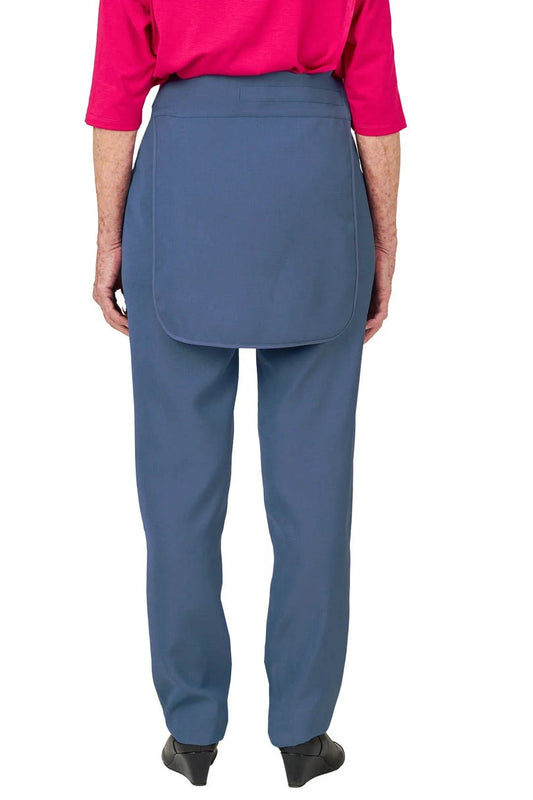
The Women's Side-Opening Easy Dressing Elastic Waist Pants are a great option for individuals who wear lower-body braces or orthotic devices. The elastic waistband provides flexibility throughout the day, while the side-opening design makes dressing easier when mobility is limited or when additional room is needed around orthopedic supports.

Women's Side-Opening Easy Dressing Elastic Waist Pants
Sleeves can also present challenges when wearing arm braces or splints. Choosing tops and outerwear with relaxed fits can help reduce pressure while allowing greater freedom of movement.
Clothing That Layers Smoothly Over Orthotics Without Pinching
Layering becomes especially important when wearing orthotic devices. Clothing that bunches, pinches, or rubs against braces can create discomfort throughout the day and may even contribute to skin irritation.
Soft fabrics such as cotton blends and lightweight materials often work well because they provide comfort without excessive bulk. Stretch fabrics can also help garments move more naturally over orthopedic supports.
The Women's Adaptive Stretch Knit Camisole is an excellent base layer for individuals who wear braces or orthotics. Its soft stretch fabric sits comfortably beneath supports and braces, helping reduce friction while creating a smooth layer between the skin and orthopedic devices. This can be especially helpful for individuals who experience skin sensitivity or pressure points throughout the day.

Women's Adaptive Stretch Knit Camisole
When layering, look for clothing that allows enough room for movement while avoiding unnecessary pressure around braces and straps. Comfort should always take priority over a tight or restrictive fit.
Adaptive Footwear and Socks for AFOs and Other Supports
Footwear can be one of the most difficult areas for people who use orthotic devices. AFOs, ankle braces, and other supports often require additional room inside shoes and may create pressure points if paired with unsuitable footwear.
When selecting footwear for orthotics, consider:
- Adjustable closures for a customized fit
- Additional depth to accommodate braces
- Soft interiors that reduce friction
- Lightweight materials that improve comfort
- Stable soles that support balance and mobility
The right footwear can significantly improve comfort while helping individuals get the most benefit from their orthotic devices.
Ideas for Hiding or Highlighting Braces Based on Preference
Some individuals prefer clothing that discreetly covers their orthotic devices, while others embrace their braces as part of their personal style. Both approaches are completely valid.
For those who prefer a more discreet appearance, relaxed-fit pants, longer tops, and strategic layering can help conceal orthopedic supports without sacrificing comfort.
Others may choose to highlight their braces through coordinated outfits, bold colors, or clothing that intentionally showcases their mobility aids as part of their identity. Modern adaptive fashion allows people to make choices that reflect their own preferences rather than feeling limited by their medical devices.
The most important goal is ensuring that clothing supports both physical comfort and emotional confidence.
Packing and Planning Outfits for Orthotic Fitting Appointments
Orthotic fitting appointments often involve adjustments, measurements, and assessments that require easy access to specific parts of the body. Planning your outfit ahead of time can help make these appointments more efficient and comfortable.
Consider choosing:
- Pants with easy-access openings
- Elastic waistbands
- Layering pieces that can be removed quickly
- Comfortable underlayers beneath braces
- Clothing that allows healthcare professionals easy access to the affected area
The Inner Peace - Gender Neutral Crewneck Sweatshirt is a versatile layering piece that works well for appointments and everyday wear. Its relaxed fit provides comfort over braces and supports while remaining easy to remove if adjustments or assessments are needed during a fitting session.

Inner Peace - Gender Neutral Crewneck Sweatshirt
Bringing clothing that you regularly wear with your orthotic device can also help specialists evaluate fit and function more accurately.
Final Thoughts
Braces, splints, and orthotics are valuable tools that support mobility, recovery, and independence. However, they can also create unique challenges when it comes to clothing and dressing routines.
Adaptive clothing helps bridge this gap by offering comfortable, flexible solutions that work alongside orthopedic devices rather than against them. From easy-dressing pants and comfortable layering pieces to supportive undergarments and thoughtful wardrobe planning, the right clothing can improve comfort, confidence, and everyday quality of life.
Whether you prefer to highlight your orthotic device or keep it discreet, adaptive clothing empowers you to dress in a way that supports both your physical needs and personal style.