Written By: Kate Cruess
Introduction
Multiple sclerosis (MS) can make dressing a challenge, from fatigue and temperature sensitivity to mobility and balance issues. Adaptive clothing aims to combine thoughtful designs with easy to wear features and accessories without having to compromise on style. Temperature regulating fabrics help manage heat sensitivity, adaptive shoes enhance balance, and easy to wear designs simplify dressing when tired. These small changes can help to support mobility, independence and comfort throughout the day.
In this blog, dressing challenges specific to MS patients, temperature-regulating clothing options, easy to wear designs for fatigue days, the best shoes for balance and stability and adaptive accessories for MS needs will all be discussed.
Dressing Challenges Specific To MS Patients
For people living with MS, getting dressed can be extremely challenging. It isn’t always as simple as just choosing an outfit and heading out. MS affects people differently, but many patients experience fatigue, muscle weakness, tremors, numbness, spasticity, and heat sensitivity. All of these can influence how comfortable or manageable clothing feels.
Fatigue: one of the most common MS symptoms and can make fine motor tasks feel very overwhelming. On lower energy days, something as small as fastening buttons or a zipper can feel impossible. Clothing that is lightweight, easy to put on and made with adaptive features can make this much easier.
Mobility Limitations: muscle weakness, stiffness and spasticity can make bending, lifting arms or stepping into narrow pant legs challenging. Clothing with wide openings, stretch panels, side zippers or step in designs can remove some of this physical strain.
Heat Sensitivity: even slight changes in temperature can trigger symptoms or worsen fatigue which can mean heavier fabrics, thick layers or clothing that traps heat can make someone feel exhausted.
Numbness and Limited Dexterity: complicates common tasks like tying shoes or fine motor tasks. Clothing that avoids typical closures or incorporates adaptive features can make dressing much easier.
Dressing challenges in MS aren’t just inconvenient, they can also impact confidence, independence and overall quality of life. Adaptive fashion matters because it can offer comfort, ease and dignity without compromising on style.
Temperature-Regulating Clothing Options
One of the biggest challenges with dressing for people with MS is heat sensitivity. For many people, warm weather or indoor heat can trigger symptoms, make fatigue worse and reduce mobility. Temperature-regulating clothing isn’t just a comfort choice, it is crucial to adaptive clothing. Choosing clothing that helps manage body temperature can reduce overheating, support energy levels and make dressing an overall better experience.
Modern adaptive brands use soft, breathable and lightweight fabrics which help with thermoregulation. For example, June Adaptive offers breathable clothing like their Women’s Pull-on Active Capri Pants.

These are made of soft knit polyester which feel lightweight and allow airflow. They contain internal pull-up loops which mean you don’t have to wrestle with tight elastic or constricting waistbands. This can be super helpful when managing heat and fatigue.
Another great strategy for regulating temperature is layering. Lightweight base layers that are made from moisture-wicking materials can create a barrier that is breathable. Adding on a cardigan or vest to tops can create warmth without bulk and protect you against sudden temperature changes.
Researchers have been constructing self-regulating fabric to help with changes in temperature and humidity (Dzierzak, 2019). Essentially, depending on the environment, these fabrics can absorb and release heat (Dzierzak, 2019). With these changes in technology, adaptive clothing will continue to be made better for people with MS.
For people with MS, prioritizing clothing that regulates temperature can significantly improve daily comfort. This allows dressing to become less about managing symptoms and more about living confidently.
Easy-To-Wear Designs For Fatigue Days
Fatigue is one of the most common symptoms of MS and on low energy days, even simple tasks like dressing can be extremely overwhelming. Choosing clothing that is effortless to put on and comfortable to wear can make a huge difference in how you feel and function throughout the day.
Easy to wear adaptive fashion focuses on reducing fine motor demands, minimizing the steps needed to get dressed and removing closures that can drain more energy. Features like wide neck openings, stretch fabrics, and pull on waistbands help to make your morning routine easier and reduce the strain on your body. Clothing that is made with soft, breathable fabrics helps to make you more comfortable throughout the day without needing to make many changes which is helpful when fatigue makes even small movements feel harder.
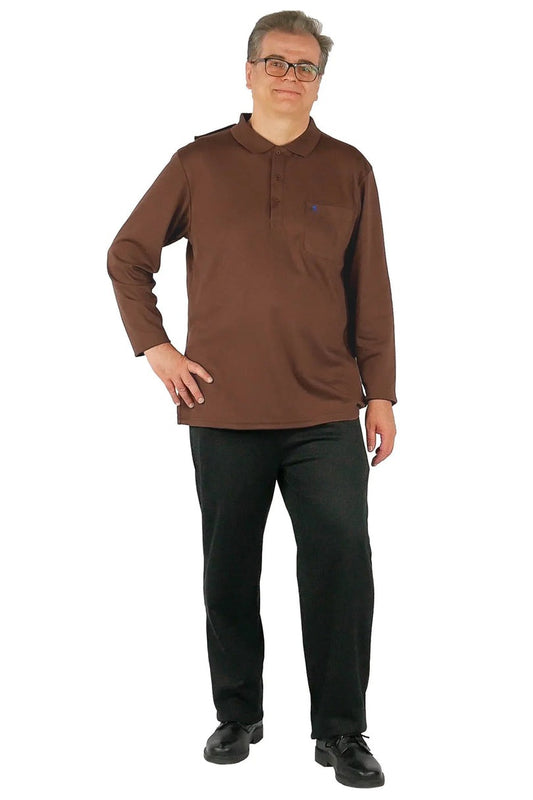
Seamless designs, minimal layering and flexible materials can also help to support thermoregulation which is helpful since heat sensitivity can worsen fatigue in MS. A good example of this is June Adaptive’s Men’s Long Sleeve Shirt with Magnetic Buttons.
Men’s Long Sleeve Shirt with Magnetic Buttons.

This shirt looks like a traditional button down shirt but uses discreet magnetic fasteners that close very easily and securely with a lot less effort than traditional buttons. On days where lifting your arms or gripping small closures feel exhausting, this design can help you to dress independently and comfortably while still feeling stylish and put together. Not only does it contain adaptive features, but this shirt is made of lightweight comfortable fabric which helps with temperature regulation and comfortability.
Easy wear designs help to preserve energy for the things you want to do in your day. Choosing clothing like this creates one less barrier standing between you and a more comfortable day.
Best Shoes For Balance And Stability
Balance and stability can be concerns for people with MS. Muscle weakness, spasticity, numbness and fatigue can make standing, walking and transitioning from sitting to standing can be challenging. Footwear can play a major role in mobility, so choosing shoes that provide support, comfort and confidence is essential. Stability is the first priority. Shoes with a firm, non-slip sole help prevent slips and falls and low, wide heels provide a solid base of support. It is important to avoid overly soft or unstable soles since they can make it harder to maintain control. Lightweight materials are also helpful as heavy shoes can contribute to fatigue.
Proper fit is crucial as shoes that are too tight can worsen numbness or spasticity while shoes that are too loose can lead to trips or imbalance. Adjustable options like velcro straps, loop and hook closures or laces that can be secured without excessive effort are ideal.
Cushioning is also important. A supportive sole can absorb impact during walking and reduce fatigue in the legs and lower back which is helpful for people with MS who may have weakened muscles or nerve related discomfort. Specialized orthotics can also help to add additional support and improve overall balance.
A good example is June Adaptive’s Men’s Wide Easy-On Shoes.

These shows feature a large Velcro closure that provides an adjustable, secure fit that is perfect for days when hand strength or control is limited. The wide design accommodates swelling and the slip resistant sole helps to reduce risk of falls.
Adaptive Accessories For MS Needs
Adaptive accessories can make a huge difference in day to day life for people living with MS, especially with challenges like tremors, muscle weakness, numbness or fatigue. These challenges can make traditional clothing harder to manage. These accessories support independence, reduce frustration and help to conserve energy.
Dressing aids can be extremely helpful. Long-handled shoehorns, dressing sticks and zipper pulls reduce the amount of bending, gripping and fine motor skills needed to get dressed. For people with hand weakness or tremors these accessories can make dressing much easier.
Cooling accessories are also important for MS since heat sensitivity can worsen symptoms. Items like cooling scarves or vests and temperature regulating wraps can help prevent overheating.
Grip enhancing gloves or anti slip socks offer more security and help maintain a hold on mobility aids or reduce the risk of slipping on smooth floors.
Adaptive accessories may seem like small additions, but they have a powerful impact, increasing independence, minimizing strain and helping people with MS navigate everyday tasks.
Final Thoughts
Adaptive fashion for people with MS isn’t just about clothing, it’s about dignity, independence and feeling supported in daily life. MS brings many challenges that can make day to day tasks like dressing feel overwhelming and stressful. Clothing should adapt to these changing needs, not make life harder. Temperature regulating fabrics, easy to wear designs for fatigue days and stability focused footwear can all improve your wardrobe’s comfort and mobility.
People with MS deserve to have stylish, functional options that still allow them to express themselves while also meeting their physical needs. Adaptive fashion opens the door to more independence and less frustration which allows individuals to focus on what really matters in life.
As awareness grows and brands continue to create designs and features that adapt to these needs, adaptive clothing is becoming more inclusive, more fashionable and more widely available. Brands like June Adaptive show that adaptive fashion isn’t only functional, it is also empowering. With the right pieces, dressing becomes less of a challenge and more of an opportunity to feel confident, comforted and in control.
For more insights delivered to your inbox, scroll to the very bottom left to sign up