Dressing Made Simple: Adaptive Clothing for Children with Disabilities
⏳5 minutes of your time could win you a $50 gift card! 🎉Help us design our new adaptive apparel launch by sharing your experience. 👕 Link Here 👈
Getting dressed can be one of the busiest parts of the day for families, especially on school mornings. For children with disabilities, sensory sensitivities, mobility challenges, medical needs, or fine motor delays, traditional clothing can make that routine more stressful than it needs to be. Adaptive clothing helps simplify dressing with thoughtful features that support comfort, independence, and confidence. At June Adaptive, we believe children deserve clothing that helps them move, play, learn, and express themselves with ease.
Morning routines made easier for parents and kids
Mornings can feel like a race against the clock. Breakfast needs to happen, backpacks need to be packed, shoes need to be found, and everyone is trying to get out the door on time. When clothing adds extra challenges, the whole routine can become overwhelming for both children and parents.
Traditional children’s clothing is not always designed with accessibility in mind. Small buttons, tight neck openings, stiff waistbands, back zippers, scratchy tags, narrow pant legs, and difficult shoes can create barriers for kids with limited mobility, sensory sensitivities, muscle tone differences, braces, orthotics, feeding tubes, ostomies, or other medical devices. For children who need help getting dressed, clothing that requires twisting, pulling, or complicated fastening can also make assisted dressing harder.
Adaptive clothing helps reduce those stress points.
Instead of forcing families to work around clothing, adaptive design works around the child. A shirt with a wider opening can make it easier to slip over the head. A top with back or side access can make dressing simpler for children with limited mobility or caregiver support. Pants with elastic waists, side openings, or pull loops can reduce strain. Shoes with wide openings or adjustable closures can help accommodate braces, orthotics, or swelling.
For many families, these details can make mornings calmer and more predictable.
Adaptive clothing can support morning routines by:
-
Reducing dressing time: Easier openings, stretch fabrics, and simplified closures can help kids get ready faster.
-
Lowering frustration: Clothing that feels comfortable and manageable can help reduce resistance, meltdowns, or stress.
-
Supporting caregiver-assisted dressing: Open-back, side-opening, or easy-access garments can make dressing more gentle and efficient.
-
Helping children participate: Pull loops, elastic waistbands, and easy closures can give kids more opportunities to help with dressing.
-
Creating consistency: Comfortable clothing that children enjoy wearing can make daily routines feel more familiar and secure.
Simple design changes can have a big emotional impact. When dressing feels less like a struggle, the day can begin with more confidence. Children feel more comfortable. Parents feel less rushed. Caregivers can support dressing with more ease and dignity.
Adaptive clothing is not about making every morning perfect. Kids will still have preferences, moods, favorite shirts, and days when nothing seems to go smoothly. But clothing that supports the child’s needs can remove unnecessary obstacles from an already busy routine.
Fun, sensory-friendly fabrics and prints
Children’s clothing should feel good and look fun. For kids with sensory sensitivities, however, certain fabrics, seams, tags, waistbands, cuffs, or textures can feel uncomfortable or even unbearable. A shirt that seems soft to one child may feel scratchy to another. A waistband may feel too tight. A tag may become impossible to ignore. A seam in a sock can turn into the biggest problem of the morning.
Sensory-friendly adaptive clothing helps by paying close attention to how garments feel against the skin.
Soft fabrics, flat seams, tagless labels, gentle waistbands, breathable materials, and stretch can all help improve comfort. For children who are sensitive to pressure, texture, heat, or restriction, these details can make clothing more wearable throughout the day. This is especially important at school, where children need to focus on learning, playing, socializing, and participating—not on an irritating seam or uncomfortable collar.
But sensory-friendly does not have to mean plain or boring.
Children deserve clothing that reflects their personalities. Bright colors, playful prints, favorite patterns, sporty styles, cozy textures, and cheerful details can help adaptive clothing feel exciting instead of medical. A child may love dinosaurs, stars, animals, superheroes, flowers, bold colors, or soft neutrals. Style matters because clothing can help children express who they are.
Fun and sensory-friendly design can include:
-
Soft, breathable fabrics: Materials that feel gentle on the skin and help with temperature comfort.
-
Tagless or smooth-label designs: Helpful for children who are easily bothered by scratchy tags.
-
Flat or minimal seams: Can reduce irritation for children with sensory sensitivities or sensitive skin.
-
Stretchy materials: Support movement, play, sitting, crawling, therapy, transfers, and everyday activity.
-
Playful prints and colors: Help children feel excited about what they are wearing.
Adaptive clothing for kids should support joy. It should make room for play, imagination, and self-expression. A child’s disability or sensory needs should not limit them to clothing that feels overly clinical or dull.
The best children’s adaptive clothing blends comfort with personality. It gives kids options they actually want to wear and gives parents more confidence that those clothes will feel good throughout the day.
Growing with your child: adjustable sizing systems
Children grow quickly. One month, a pair of pants fits perfectly. The next, the hem is too short, the waistband is tight, or the sleeves no longer reach the wrists. For families buying adaptive clothing, growth can create an extra challenge because accessible garments may be more specialized and harder to replace.
That is why adjustable sizing can be such a helpful feature.
Adaptive clothing that grows with a child can extend wear time, improve comfort, and make clothing more practical for families. Adjustable waistbands, expandable hems, stretch panels, rollable cuffs, flexible closures, and layered fits can help clothing adapt as a child’s body changes. These features can also support children whose size fluctuates due to medical treatment, swelling, braces, orthotics, feeding tubes, or posture changes.
Adjustable sizing is not only about saving money. It is also about creating clothing that can respond to real life.
A child may need extra room for a brace one day and a closer fit another day. A waistband may need to adjust around a feeding tube or ostomy pouch. Pants may need to fit comfortably while seated in a wheelchair but still look appropriate when standing or transferring. A jacket may need to layer over medical equipment in colder weather.
Useful adjustable features may include:
-
Elastic waistbands: Support comfort, growth, seated fit, and easier dressing.
-
Adjustable tabs or closures: Allow parents or children to fine-tune the fit as needed.
-
Stretch panels: Provide flexibility around braces, medical devices, or changing body shape.
-
Expandable cuffs or hems: Help garments last longer as children grow.
-
Roomier cuts in key areas: Allow space for movement, equipment, and layering.
For children with disabilities, fit should be flexible without feeling sloppy. Clothing should allow movement and accommodate support devices while still helping the child feel put-together. Adjustable design makes that balance easier.
It can also reduce the number of clothing battles families face. If a child feels more comfortable in clothes that move with them, they may be more willing to wear them. If parents can adjust a garment instead of replacing it immediately, the routine becomes easier.
Children are constantly changing. Adaptive clothing should be able to change with them.
Adaptive uniforms and schoolwear innovations
School clothing comes with its own set of challenges. Some children wear uniforms, while others follow dress codes that require certain colors, styles, shoes, or levels of formality. For children with disabilities, schoolwear needs to support comfort, movement, medical access, and independence while still fitting within school expectations.
Traditional uniforms are often not very flexible. Button-down shirts, belts, tucked-in tops, stiff collars, zippered pants, pleated skirts, and formal shoes can be hard for children with limited dexterity, sensory sensitivities, mobility differences, or orthotics. Even small details can create barriers during a long school day.
Adaptive schoolwear can help children participate more comfortably.
An adaptive polo shirt may use easier closures while still looking like a standard uniform top. Pants may include elastic waistbands, side openings, or seated-friendly rises. Skirts or dresses may include softer waistbands, stretch fabrics, or easier access for dressing. Shoes may offer wide openings, adjustable straps, and room for braces or orthotics while still meeting school requirements.
Adaptive schoolwear can be especially helpful for:
-
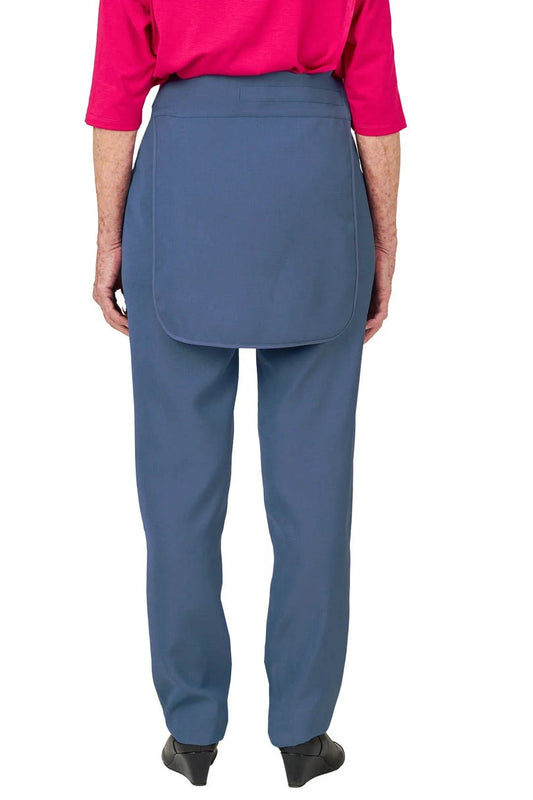
Children who use wheelchairs and need seated-friendly pants or longer back coverage.
-
Children with sensory sensitivities who need softer fabrics and tagless garments.
-
Children who use braces, orthotics, or compression garments.
-
Children who need assistance with toileting or dressing.
-
Children recovering from surgery or managing medical devices.
-
Children building independence with dressing at school.
Schools can support inclusive dressing by being flexible and practical. A dress code should not prevent a child from wearing clothing that supports their disability-related needs. Adaptive clothing, supportive footwear, compression garments, braces, and medical-access clothing should be recognized as part of inclusion.
Parents can also help by communicating with teachers, school administrators, or support staff when clothing accommodations are needed. In many cases, small adjustments can make a big difference. Allowing adaptive shoes instead of traditional dress shoes, accepting elastic waist pants, or permitting sensory-friendly alternatives can help a child feel more comfortable and included.
Schoolwear innovation is not only about uniforms. It is also about jackets, backpacks, gym clothes, weather gear, and shoes. A child needs clothing that works during recess, classroom activities, therapy sessions, lunch, bathroom breaks, field trips, and transportation.
When school clothing is accessible, children can focus more on learning and less on discomfort.
Encouraging independence through dressing
Dressing is one of the everyday skills that can help children build independence, confidence, and self-awareness. For children with disabilities, independence may look different from child to child. One child may learn to pull up pants independently. Another may learn to choose between two shirts. Another may help guide a sleeve onto their arm. Another may communicate which fabric feels best.
Every step counts.
Adaptive clothing can support independence by making garments easier to understand, hold, open, close, and adjust. Large pull tabs, elastic waistbands, magnetic-style closures, hook-and-loop fasteners, wide openings, color-coded details, and simple garment structures can all help children participate in dressing.
The goal is not to rush independence or make every child dress the same way. The goal is to give children opportunities to be involved at a level that fits their abilities.
Parents and caregivers can encourage independence by:
-
Offering choices: Letting a child pick between two shirts, colors, or outfits can build decision-making and self-expression.
-
Breaking dressing into steps: A child may start by pushing one arm through a sleeve or pulling up a waistband.
-
Choosing easy-grip features: Pull loops, large zipper tabs, and simple closures can make participation more achievable.
-
Celebrating progress: Small dressing milestones can build confidence over time.
-
Respecting comfort preferences: Listening to what a child likes or dislikes helps them feel more in control of their body.
Independence is also emotional. When children can take part in getting dressed, they may feel more capable and proud. They may feel more ownership over their appearance. They may begin to understand what clothing helps them feel comfortable, confident, and ready for the day.
Adaptive clothing can also support dignity in assisted dressing. Even when a child needs help, clothing that opens easily and fits comfortably can make the process more respectful. It can reduce pulling, repositioning, and frustration for both the child and caregiver.
As children grow, their preferences will grow too. They may become more opinionated about colors, styles, textures, and what their friends are wearing. Adaptive clothing should grow with that sense of identity. Kids deserve clothes that support their needs while still letting them feel like kids.
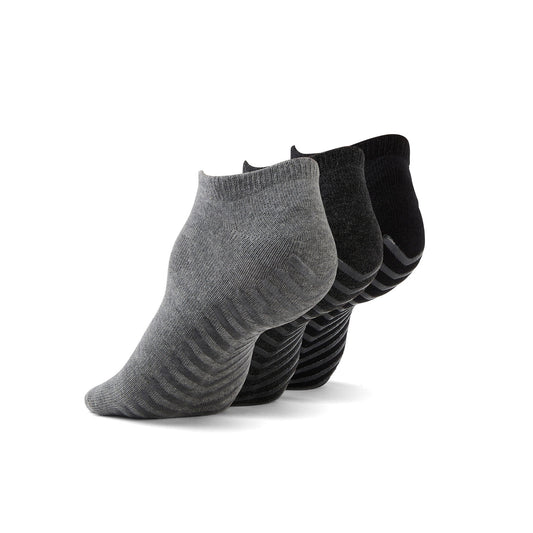
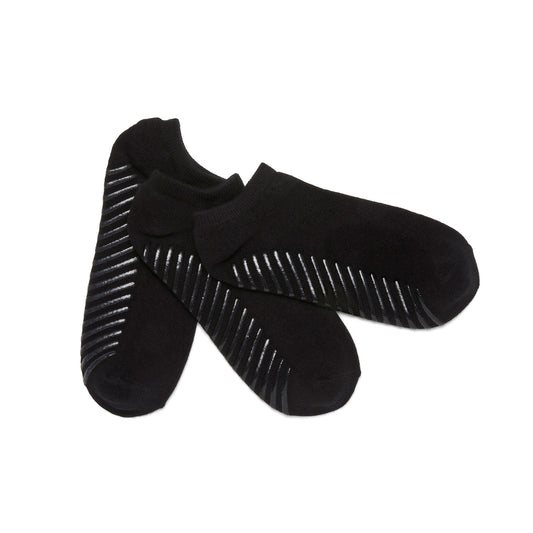
Take a look at some of our wonderful products that ensure that comfort and accessibility is possible.

Women's Adaptive Open-Back Nightgown


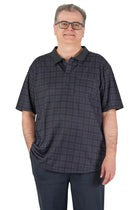
Men’s Adaptive Back-Opening Bamboo Sport Shirt
Conclusion
Adaptive clothing for children with disabilities can make daily dressing simpler, calmer, and more empowering. From easier morning routines and sensory-friendly fabrics to adjustable sizing, adaptive schoolwear, and independence-building features, thoughtful design can support both children and families.
Children should not have to struggle with clothing that was not designed for their bodies, routines, or needs. Parents should not have to choose between comfort, accessibility, and style. Adaptive clothing helps bring those priorities together so kids can move through the day with more confidence.
At June Adaptive, we believe inclusive design starts early. Every child deserves clothing that helps them feel comfortable, capable, playful, and proud of who they are.
If you enjoyed this blog, please sign up to the June Adaptive Newsletter below to receive more updates! Share your experience in our 5-minute survey to inform our new adaptive apparel launch. Get a chance to win a $50 gift card Link here .