Adaptive Footwear: Step-by-Step Toward Inclusive Design
⏳5 minutes of your time could win you a $50 gift card! 🎉Help us design our new adaptive apparel launch by sharing your experience. 👕 Link Here 👈
Footwear affects far more than an outfit; it can shape comfort, mobility, balance, independence, and confidence throughout the day. For people with disabilities, chronic conditions, swelling, braces, orthotics, or limited dexterity, traditional shoes can create unnecessary barriers. Adaptive footwear helps remove those barriers through thoughtful design choices like wider openings, adjustable closures, supportive soles, and flexible fits. At June Adaptive, we believe inclusive footwear should make daily life easier while still helping people feel stylish and self-assured.
Common challenges with traditional shoes
Most traditional shoes are designed around a narrow idea of what feet, mobility, and dressing routines look like. They often assume the wearer can bend down easily, grip small laces, slide into a narrow opening, and tolerate firm seams or tight pressure points. For many people, that simply is not the reality.
Shoes can become difficult for people with arthritis, limited hand strength, foot swelling, diabetes-related foot sensitivity, balance concerns, mobility limitations, post-surgery recovery needs, or conditions that require braces and orthotics. Even something as ordinary as tying laces can become frustrating when fingers are stiff, grip strength is reduced, or reaching the foot is difficult.
Traditional footwear can also be uncomfortable for wheelchair users or people who spend long periods seated. A shoe that feels fine while standing in a store may press differently when the foot rests in a seated position for hours. Narrow toe boxes, rigid uppers, tight ankle openings, and bulky seams can all create discomfort.
Some common challenges include:
-
Difficult entry: Narrow openings can make it hard to slide the foot in, especially when wearing braces, compression socks, or orthotics.
-
Hard-to-use closures: Small laces, buckles, and tight straps may be difficult for people with limited dexterity or hand strength.
-
Poor accommodation for swelling: Feet can change size throughout the day due to circulation, medical conditions, pregnancy, aging, or recovery.
-
Pressure and irritation: Stiff materials, seams, or tight areas can cause discomfort, especially for people with sensitive skin or reduced sensation.
-
Lack of stability: Shoes that are too loose, too narrow, or poorly structured can affect balance and confidence while walking.
These barriers may seem small to someone who has never experienced them, but they can shape the entire day. Footwear that is difficult to put on can delay routines. Shoes that pinch or rub can limit how long someone feels comfortable being out. Poor support can affect posture, fatigue, and mobility.
Adaptive footwear starts by recognizing that shoes should not create more work for the person wearing them. A better shoe experience begins with access: easy to put on, easy to adjust, comfortable to wear, and supportive enough for real life.
Adjustable openings, insoles, and adaptive soles
The best adaptive footwear designs often look simple from the outside, but the details are doing a lot of work. Features like adjustable openings, removable insoles, stretch panels, pull loops, dual zippers, hook-and-loop closures, and supportive soles can make a shoe much easier to use.
A wider or adjustable opening is one of the most important adaptive footwear features. Instead of forcing the foot through a tight entry point, the shoe opens more generously so the wearer can step in with less effort. This can help people who use ankle-foot orthoses, people with swelling, people with limited mobility, and caregivers assisting with dressing.
Adjustable closures are equally important. Laces can offer a custom fit, but they are not always practical. Hook-and-loop straps, zippers, magnetic-style closures, elastic laces, and toggle systems can help reduce the fine motor control needed to secure a shoe. For some people, that can mean the difference between needing help and being able to get ready independently.
Removable insoles also play a major role. Many people use custom orthotics, diabetic-friendly inserts, heel lifts, or cushioning supports. A removable insole allows more room inside the shoe and helps the wearer personalize the fit. This is especially helpful when one foot requires more support than the other or when foot shape changes over time.
Adaptive soles can also improve daily comfort and confidence. Depending on the person’s needs, a good sole may provide grip, shock absorption, flexibility, stability, or a rocker-style motion that supports smoother walking. For wheelchair users, sole flexibility and comfort may matter differently than they do for someone walking long distances. For people with balance concerns, traction and stability become especially important.
Helpful adaptive footwear features may include:
-
Wide or extra-wide openings to make stepping in easier and reduce pressure.
-
Removable insoles to create space for orthotics, braces, or personalized cushioning.
-
Adjustable straps or closures to accommodate swelling and changing foot size throughout the day.
-
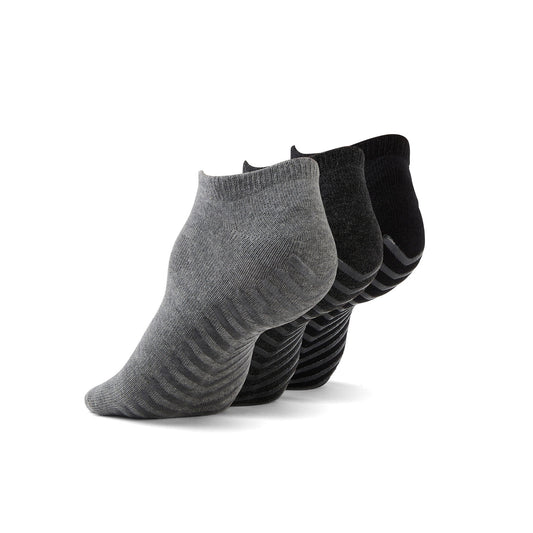
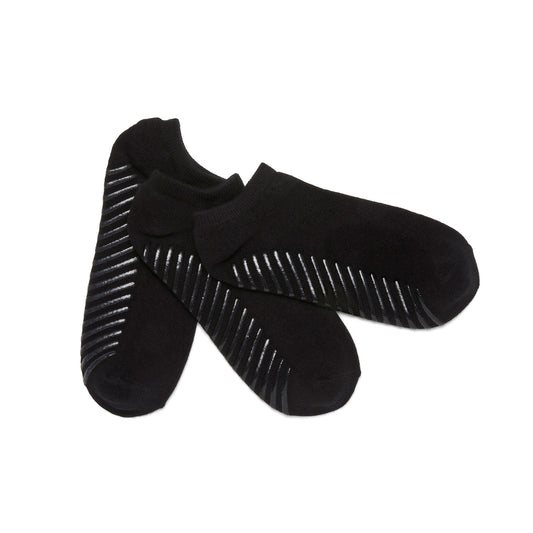
Slip-resistant soles to support stability on common indoor and outdoor surfaces.
-
Soft interior linings to reduce rubbing, irritation, and discomfort.
-
Pull tabs or loops to make shoes easier to handle during dressing.
The goal is not to add features for the sake of adding features. The goal is to make footwear more responsive to the wearer. A shoe should be able to adjust to the body, the environment, and the day’s needs.
For example, someone may need a roomier fit in the afternoon because of swelling. Someone else may need to remove the insole to fit an orthotic. Another person may need a closure they can manage with one hand. Adaptive footwear recognizes these everyday realities and designs around them.
Support for foot braces and orthotics
Foot braces and orthotics can be essential for alignment, stability, pain reduction, and safer movement. But they can also make shoe shopping more complicated. Many standard shoes are not deep enough, wide enough, or adjustable enough to fit braces comfortably.
This is where adaptive footwear can make a major difference.
People who wear ankle-foot orthoses, custom orthotics, arch supports, diabetic inserts, or other foot devices often need extra depth and room inside the shoe. A shoe may need to open wide enough for the brace to slide in without forcing the foot. It may also need a secure closure that keeps the foot stable once the brace is inside.
A poor fit can create problems. If the shoe is too tight, it may press against the brace, foot, or ankle. If it is too loose, the foot may shift, creating instability or friction. If the shoe does not close properly over the brace, the wearer may feel unsupported or unsafe.
Adaptive footwear designed for orthotics and braces often focuses on three key areas: space, adjustability, and stability.
Space matters because braces and orthotics add volume. The shoe needs enough depth to accommodate the device without squeezing the foot. Adjustability matters because the wearer may need to fine-tune the fit depending on swelling, sock thickness, or brace shape. Stability matters because the shoe should help the foot feel secure rather than sliding around inside.
For many people, the right shoe can support a better routine. Instead of struggling to force a brace into a standard sneaker, adaptive footwear can make the process smoother and more dignified. That can be especially meaningful for children learning independence, adults managing chronic conditions, older adults navigating changing mobility needs, and anyone recovering from injury or surgery.
A few practical considerations include:
-
Look for shoes with removable insoles to create extra space.
-
Consider wide, extra-wide, or deep-fit options if braces or orthotics add bulk.
-
Choose closures that can be adjusted across the top of the foot.
-
Make sure the heel feels secure and does not slip while walking.
-
Avoid interior seams or pressure points that may rub against sensitive areas.
It is also important to remember that needs vary widely. Some people need maximum support. Others need flexibility. Some need room for a brace on one foot only. Others need matching shoes that accommodate two different foot shapes or sizes. Inclusive footwear design should recognize that there is no single “standard” foot.
The more adaptable the shoe, the more useful it becomes.
The growing market for fashionable adaptive sneakers
Adaptive footwear has come a long way from purely medical-looking shoes. While comfort and safety remain essential, more people are asking for adaptive sneakers that also look current, stylish, and easy to pair with everyday outfits.
That shift matters.
For years, people who needed accessible footwear often had to choose between function and style. They could find a shoe that worked, but it might not match their personal taste. Or they could choose a fashionable sneaker that looked great but was painful, difficult to put on, or impossible to wear with an orthotic.
The growing demand for fashionable adaptive sneakers shows that consumers want both. People want shoes that support mobility, braces, swelling, and dexterity needs while still feeling like something they would be excited to wear.
This is especially important because sneakers are part of daily style. They are worn to work, school, appointments, travel, social events, errands, and casual outings. A good adaptive sneaker should fit into real wardrobes, not sit apart from them.
Fashionable adaptive sneakers often include details such as:
-
Sleek silhouettes that look similar to mainstream sneakers.
-
Easy-entry designs that reduce bending and pulling.
-
Adjustable closures that blend into the style of the shoe.
-
Wider fits that still feel modern and polished.
-
Neutral colors that work with many outfits.
-
Sport-inspired soles that provide comfort and support.
This evolution also reflects a broader cultural shift. Accessibility is no longer being treated only as a medical issue. It is increasingly understood as a design issue, a fashion issue, and a consumer choice issue. People with disabilities deserve products that feel intentional, not like afterthoughts.
Fashionable adaptive sneakers also help reduce stigma. When accessible shoes look stylish, they challenge the assumption that adaptive products must appear clinical or limited. They show that inclusive design can be beautiful, practical, and desirable.
For brands, this is an opportunity to do better. The future of footwear should include more sizes, widths, closures, depths, and style options. It should include disabled consumers in testing and design. It should make accessibility visible without making it feel separate.
At June Adaptive, this belief is central to how we think about clothing and accessible products. Inclusive design should not ask people to compromise their identity. Whether someone wants a casual everyday sneaker, an easy-on shoe for swelling, or footwear that supports orthotics, they should be able to find options that feel comfortable and confidence-building.
Style is not extra. It is part of dignity, expression, and belonging.
How to choose the right adaptive footwear fit
Choosing adaptive footwear is personal. The right fit depends on mobility, foot shape, swelling, braces, orthotics, skin sensitivity, walking patterns, and daily routine. A shoe that works beautifully for one person may not be the best choice for another.
The first step is to think about when and how the shoes will be worn. Are they for everyday errands? Long workdays? Recovery after surgery? Indoor comfort? Outdoor walking? Wheelchair use? Travel? Light exercise? The answer will shape what features matter most.
Next, consider the dressing process. If bending down is difficult, look for easy-entry designs, pull loops, or closures that require less hand strength. If tying laces is challenging, adjustable straps, elastic laces, or zipper openings may be more practical. If a caregiver assists with dressing, a wider opening can make the process smoother for both people.
Foot size and shape can also change throughout the day. Swelling is common for many reasons, including circulation changes, medical conditions, medication, pregnancy, aging, or extended sitting. Adjustable shoes can help accommodate those changes without creating pressure.
For people who wear orthotics or braces, extra depth and removable insoles are often important. It may help to try shoes with the actual orthotic, brace, or sock combination that will be worn most often. This gives a more realistic sense of fit.
A good adaptive footwear fit should generally feel:
-
Secure but not tight: The foot should not slide around, but the shoe should not pinch or create pressure.
-
Roomy at the toes: There should be enough space for comfort, especially if there is swelling or sensitivity.
-
Stable at the heel: Heel slipping can affect balance and cause rubbing.
-
Comfortable across the top of the foot: Closures should adjust without digging in.
-
Compatible with supports: Orthotics, braces, or inserts should fit without forcing the foot into an awkward position.
It is also worth paying attention to the inside of the shoe. Soft linings, minimal seams, and smooth interiors can help reduce irritation. This can be especially important for people with diabetes-related foot concerns, reduced sensation, sensitive skin, or a higher risk of pressure areas.
Sole design matters too. A slip-resistant sole can support confidence on different surfaces. Cushioning can help with comfort during longer wear. A stable base can support balance, while a flexible sole may be better for certain mobility needs. The best choice depends on the wearer’s body and routine.
When possible, it can be helpful to consult a healthcare provider, podiatrist, orthotist, or physical therapist for personalized footwear guidance, especially when braces, orthotics, diabetes-related foot concerns, or balance issues are involved.
Most importantly, adaptive footwear should support the person’s life—not limit it. The right shoes should make it easier to get dressed, move comfortably, and feel prepared for the day.
Take a look at some of our wonderful products that ensure that comfort and accessibility is possible.

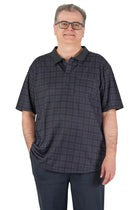
Men’s Adaptive Back-Opening Bamboo Sport Shirt

Women's Easy-Access Open-Back Keyhole Opening Shirt for Assisted Dressing

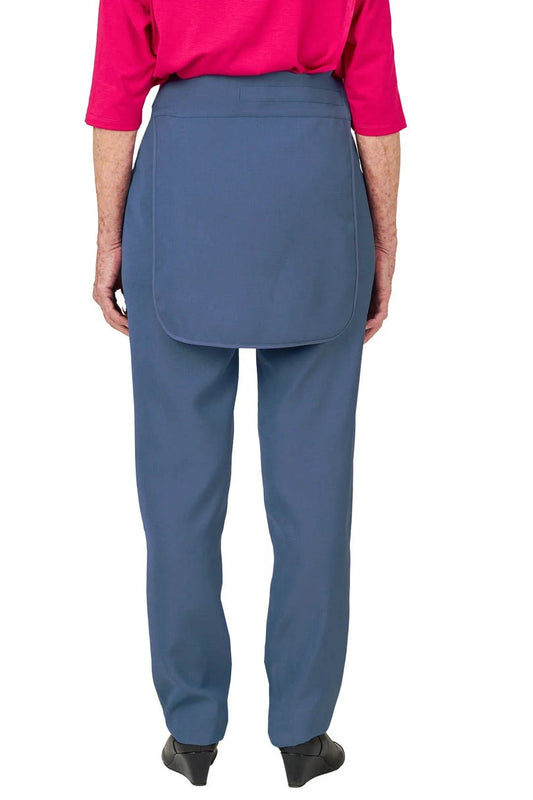
Men’s Back-Overlap Assisted Dressing Twill Pants
Conclusion
Adaptive footwear is an important part of inclusive design because shoes affect mobility, comfort, independence, and self-expression every day. Traditional footwear often overlooks the needs of people with disabilities, braces, orthotics, swelling, limited dexterity, or sensory sensitivity. Adaptive shoes help close that gap by offering wider openings, adjustable closures, supportive soles, removable insoles, and styles that reflect real people’s lives.
As the market for fashionable adaptive sneakers continues to grow, the message is clear: accessibility and style belong together. Footwear should be easier to wear, easier to adjust, and easier to love.
At June Adaptive, we believe inclusive design should meet people where they are. Every step toward better footwear is also a step toward greater comfort, dignity, and everyday confidence.
If you enjoyed this blog, please sign up to the June Adaptive Newsletter below to receive more updates! Share your experience in our 5-minute survey to inform our new adaptive apparel launch. Get a chance to win a $50 gift card Link here