Adaptive Workwear: Dressing for Success at Any Ability
⏳5 minutes of your time could win you a $50 gift card! 🎉Help us design our new adaptive apparel launch by sharing your experience. 👕 Link Here 👈
Workwear is more than a dress code—it is part of how people show up, feel prepared, and present themselves in professional spaces. For people with disabilities, mobility limitations, chronic pain, dexterity challenges, or seated dressing needs, traditional office clothing can create barriers before the workday even begins. Adaptive workwear helps make professional attire easier to wear, more comfortable, and more inclusive without sacrificing style. At June Adaptive, we believe dressing for success should be possible at every ability.
Professional attire challenges for people with mobility limitations
Professional clothing is often designed around standing bodies, narrow movement assumptions, and traditional dressing routines. Button-down shirts, fitted blazers, pencil skirts, dress pants, belts, formal shoes, and tucked-in layers may look polished, but they can also be difficult or uncomfortable for many people with disabilities.
For someone with limited shoulder mobility, putting on a structured blazer can be physically challenging. For someone with arthritis or reduced dexterity, small buttons, stiff collars, hooks, and zippers can turn dressing into a frustrating task. For wheelchair users, traditional pants may bunch at the waist, pull at the knees, gap in the back, or create pressure while seated. For people with chronic pain, sensory sensitivities, swelling, or fatigue, rigid fabrics and tight waistbands can make a long workday harder than it needs to be.
These challenges are not about a lack of professionalism. They are about clothing that was not designed with enough people in mind.
Common barriers in traditional professional attire include:
-
Hard-to-manage closures: Small buttons, back zippers, clasps, and buckles can be difficult for people with limited grip strength, tremors, arthritis, or one-handed dressing needs.
-
Uncomfortable seated fit: Dress pants and skirts designed for standing may dig into the waist, ride up, create pressure points, or gap when worn in a wheelchair or office chair for long periods.
-
Restrictive fabrics: Stiff materials can limit movement, increase discomfort, and make dressing or transferring more difficult.
-
Limited footwear options: Traditional dress shoes may be narrow, rigid, slippery, or difficult to put on over braces, orthotics, swelling, or compression socks.
-
Lack of dignity in assisted dressing: Clothing that requires complicated fastening or awkward positioning can make dressing with caregiver support more stressful than necessary.
For many workers, the day starts with decisions about meetings, deadlines, transportation, and energy levels. Clothing should not add unnecessary stress. Adaptive workwear helps reduce that friction by making professional dressing more realistic for different bodies, abilities, and routines.
This matters because workplace inclusion is not only about hiring disabled employees. It is also about creating conditions where people can participate fully, comfortably, and confidently. Clothing is one piece of that larger picture.
Office-ready adaptive shirts, blazers, and footwear
Adaptive workwear has evolved far beyond purely functional basics. Today, accessible professional clothing can be polished, modern, and appropriate for a wide range of workplaces—from corporate offices and client meetings to hybrid work, conferences, classrooms, and creative industries.
The goal is not to create a separate category that feels different from mainstream fashion. The goal is to design office-ready clothing that works better for more people.
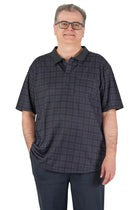
Adaptive shirts, for example, may include open-back designs, magnetic-style closures, larger buttons, side openings, stretch panels, or easy-pull features. These details can make dressing easier for wheelchair users, people with limited mobility, people recovering from surgery, or anyone who needs assistance getting dressed. A shirt can still look professional from the front while offering a more accessible dressing experience from the back or side.
Blazers can also be reimagined. Traditional blazers are often structured in ways that restrict shoulder movement or bunch while seated. Adaptive versions may use softer fabrics, stretch linings, shorter seated-friendly cuts, easier sleeve entry, or closure placements that are easier to manage. Even small changes can make a blazer more comfortable during a full workday.
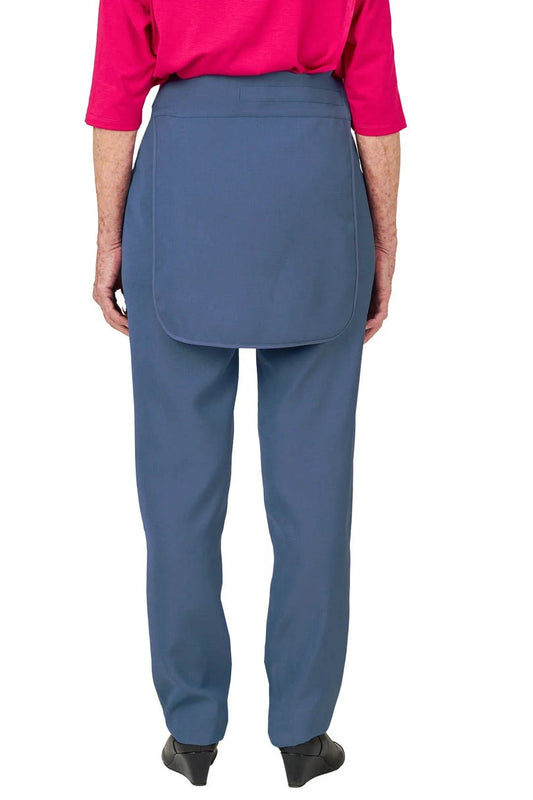
Work pants are another important category. A professional pant designed for seated comfort may include a higher back rise, lower front rise, elastic or adjustable waist, side openings, pull loops, stretch fabric, or a smoother seat area to reduce pressure. These details can make a major difference for wheelchair users, people with limited mobility, or anyone who sits for long periods.
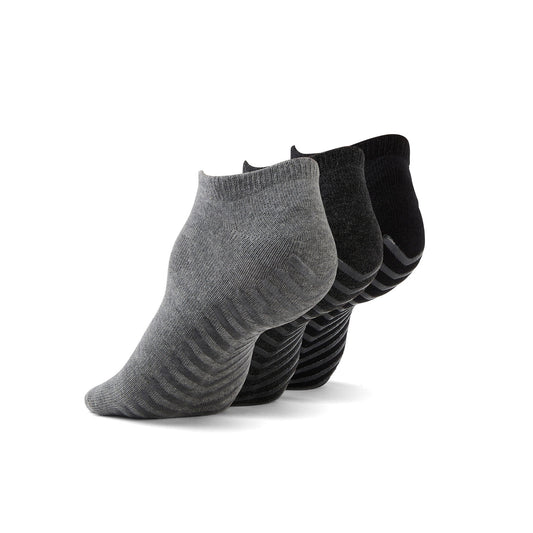
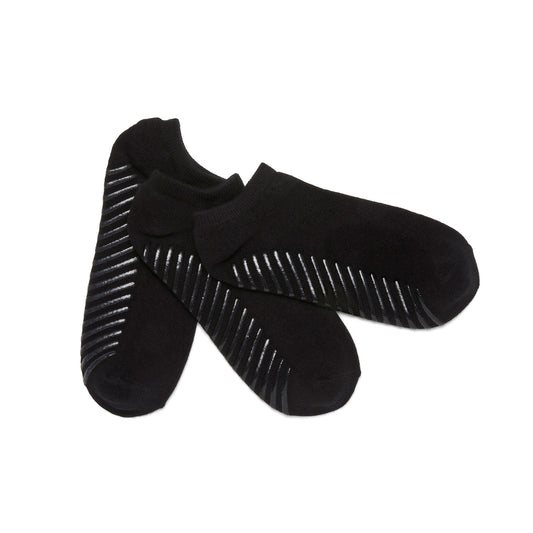
Footwear completes the professional look, but it also affects comfort and stability. Adaptive work shoes may include wide openings, removable insoles, adjustable closures, slip-resistant soles, extra-depth fits, and room for orthotics or braces. For many people, the right footwear can make commuting, standing, transferring, walking, or sitting more comfortable.
Office-ready adaptive workwear may include:
-
Adaptive button-down shirts: Designed with easier closures, open-back access, or stretch details while maintaining a polished appearance.
-
Seated-fit dress pants: Created to reduce bunching, pressure, and gapping while supporting comfort in a wheelchair or office chair.
-
Soft-structure blazers: Professional enough for meetings but designed with more flexibility and less restriction.
-
Easy-on professional footwear: Dress shoes, loafers, or sneakers with adjustable openings, supportive soles, and room for orthotics or swelling.
-
Layering pieces: Cardigans, jackets, and tops that are easy to put on and remove as office temperatures change.
Adaptive professional wear does not need to announce itself. In many cases, the best designs look like everyday workwear while quietly solving real accessibility challenges. That is part of what makes them powerful. They allow the wearer to focus on the work, not the clothing.
How employers can support inclusive dress codes
Inclusive workwear is not only the responsibility of employees. Employers also play an important role in making dress codes more accessible, respectful, and realistic.
A dress code may seem neutral on paper, but it can create barriers if it assumes everyone can wear the same types of clothing in the same way. Requirements such as “formal business attire,” “closed-toe dress shoes,” “tucked-in shirts,” “no sneakers,” or “traditional suits only” may unintentionally exclude people who need adaptive garments, supportive footwear, compression clothing, braces, orthotics, sensory-friendly fabrics, or easier closures.
An inclusive dress code focuses on professionalism without being overly rigid about how professionalism must look. It allows employees to meet workplace expectations while also honoring disability-related needs, comfort, safety, culture, and identity.
Employers can support inclusive dress codes by:
-
Using flexible language: Instead of requiring one narrow version of professional attire, describe the desired level of polish while allowing adaptive alternatives.
-
Recognizing adaptive footwear as professional: Supportive sneakers, orthopedic shoes, braces, and easy-on footwear may be necessary for comfort, safety, or mobility.
-
Making accommodations simple: Employees should not have to over-explain personal medical details to wear clothing that supports their disability-related needs.
-
Training managers: Supervisors should understand that adaptive clothing, compression garments, mobility aids, and medical supports can be part of professional presentation.
-
Avoiding appearance-based assumptions: A person’s use of adaptive clothing or supportive footwear should not be interpreted as less professional, less capable, or less serious.
In the U.S., disability inclusion in the workplace is connected to broader legal and cultural expectations around reasonable accommodation, equal opportunity, and accessible environments. While dress codes can still exist, they should not create unnecessary barriers for employees with disabilities. Employers benefit when they design policies that focus on performance, safety, respect, and inclusion rather than outdated appearance standards.
Inclusive dress codes can also improve workplace culture for everyone. Flexible clothing expectations may support employees recovering from injuries, pregnant employees, older workers, people with temporary mobility limitations, and anyone with comfort or sensory needs. A more inclusive policy does not lower standards. It makes standards more thoughtful.
A useful question for employers is: “Does this dress code help people do their best work, or does it create barriers that are unrelated to the job?”
That question can lead to better policies, better employee experiences, and a more welcoming workplace.
Fashion as a confidence booster in the workplace
Clothing can influence how people feel before they ever speak in a meeting, join a video call, or walk into an interview. The right outfit can help someone feel prepared, capable, and comfortable in their role. The wrong outfit can create distraction, discomfort, and self-consciousness.
For disabled professionals, adaptive workwear can be especially meaningful because it supports both practical access and emotional confidence.
When clothing is difficult to put on, uncomfortable to sit in, or visibly mismatched with someone’s professional identity, it can affect the entire workday. A person may spend energy adjusting waistbands, hiding gaps, managing pain, or worrying whether their shoes look “professional enough.” That energy could be better spent leading projects, collaborating with colleagues, serving clients, or building a career.
Adaptive workwear helps return that energy to the person.
Confidence-building clothing often has a few qualities:
-
It fits the body in the position the person uses most, whether seated, standing, or moving between both.
-
It reflects the wearer’s personal style and workplace goals.
-
It reduces pain, pressure, or dressing stress.
-
It supports independence or makes assisted dressing more dignified.
-
It allows the wearer to focus on the moment instead of the garment.
This is not superficial. Fashion is connected to identity, agency, and belonging. In professional spaces, clothing can help communicate readiness, creativity, leadership, attention to detail, and self-respect. Adaptive fashion ensures disabled employees are not left out of that form of expression.
A wheelchair user should be able to wear dress pants that look sharp without bunching uncomfortably. A person with limited hand mobility should be able to wear a crisp shirt without struggling with tiny buttons. A professional who wears orthotics should be able to choose footwear that feels both supportive and workplace-appropriate. A person recovering from surgery should be able to dress comfortably without feeling like they have stepped outside their identity.
The best adaptive workwear does not simply make dressing easier. It helps people feel more like themselves at work.
That confidence can show up in small but powerful ways: sitting taller in a meeting, worrying less during a presentation, feeling comfortable during a commute, or choosing an outfit with excitement instead of stress. Inclusive design gives people more room to show up fully.
Brands leading in adaptive professional wear
The adaptive fashion market has grown as more brands recognize that people with disabilities deserve stylish, practical, and well-designed clothing options. While progress is still ongoing, the industry has started to move beyond basic accessibility and toward more inclusive wardrobes, including professional clothing.
Some mainstream brands have introduced adaptive lines with features like magnetic-style closures, seated-fit pants, easy-on shoes, sensory-friendly materials, and accessible openings. Other specialized adaptive brands focus more deeply on the needs of disabled customers, caregivers, wheelchair users, older adults, and people recovering from surgery. Together, these efforts are helping expand what adaptive fashion can look like.
Brands leading in adaptive professional wear tend to share a few important traits:
-
They listen to disabled customers. Inclusive design is strongest when people with lived experience are part of product development, testing, and feedback.
-
They prioritize both form and function. Adaptive workwear should solve dressing challenges while still looking polished, stylish, and modern.
-
They consider seated and standing fit. Professional clothing should work for wheelchair users, office workers, commuters, and people with different mobility needs.
-
They offer practical details. Open-back access, side zippers, elastic waistbands, pull loops, stretch fabrics, magnetic-style closures, and easy-on footwear can make clothing more usable.
-
They avoid treating accessibility as an afterthought. The most meaningful adaptive designs are created with inclusion at the center, not added at the end.
June Adaptive is part of this growing movement toward more thoughtful, inclusive clothing. Our focus is on helping people find adaptive apparel that supports comfort, dignity, independence, and personal style. Professional dressing should not require people to choose between looking polished and feeling comfortable. It should make space for both.
As more brands invest in adaptive professional wear, the future of workwear becomes more inclusive. Imagine office wardrobes with more seated-fit trousers, easier blazers, accessible button-downs, adaptive dresses, supportive professional shoes, and stylish layering pieces. Imagine interviews, conferences, and first days at work where clothing supports confidence instead of creating stress.
That is the direction fashion should be moving.
It is also a reminder that inclusion is built through everyday details. A zipper placement. A waistband. A softer fabric. A shoe that opens wider. A blazer that moves with the body. These choices may seem small, but for the person wearing them, they can change the entire workday.
Take a look at some of our wonderful products that ensure that comfort and accessibility is possible.

Men’s Back-Overlap Assisted Dressing Twill Pants

Women’s Adaptive Open-Back Tonal Knit Dress

Women's Easy-Access Open-Back Floral Snap Top
Conclusion
Adaptive workwear helps redefine what it means to dress professionally. It recognizes that people with disabilities, mobility limitations, chronic pain, orthotics, braces, sensory needs, and dexterity challenges deserve clothing that supports both comfort and confidence. From office-ready shirts and blazers to seated-fit pants and adaptive footwear, inclusive professional attire can make workdays easier and more empowering.
Employers also have a role to play by creating flexible, respectful dress codes that allow adaptive clothing and supportive footwear to be recognized as professional. When workplace fashion becomes more inclusive, employees are better able to focus on their skills, ideas, and contributions.
At June Adaptive, we believe dressing for success should be accessible to everyone. The future of workwear is not one-size-fits-all; it is thoughtful, flexible, stylish, and designed for real people.
If you enjoyed this blog, please sign up to the June Adaptive Newsletter below to receive more updates! Share your experience in our 5-minute survey to inform our new adaptive apparel launch. Get a chance to win a $50 gift card Link here