Written by: Fatima Faruq
Jeans are one of the most common clothing staples in everyday fashion, but traditional denim is not always designed with accessibility, comfort, or mobility needs in mind.
For many disabled individuals and people living with chronic illness, traditional jeans can feel restrictive, uncomfortable, or difficult to put on independently. Buttons, stiff waistbands, tight fits, and limited flexibility may create challenges during dressing or throughout long periods of wear.
Adaptive denim is helping change that.
Adaptive jeans are designed to make dressing feel easier, more comfortable, and more practical while still maintaining the familiar style and versatility people expect from everyday denim. Features like side openings, elastic waists, softer stretch fabrics, and adaptive closures can help make daily routines feel significantly more manageable.
As adaptive fashion continues growing, accessible denim is becoming an important part of making everyday clothing more inclusive and wearable for different bodies and mobility needs.
What Makes Jeans Adaptive?
Adaptive jeans are designed with features that help simplify dressing and improve comfort without completely changing the look of traditional denim.
That may include:
• Side zipper openings
• Elastic waistbands
• Magnetic closures
• Open side access
• Softer stretch fabrics
• Seated friendly fits
• Easier pull on designs
These features can help reduce physical strain during dressing while supporting comfort throughout the day.
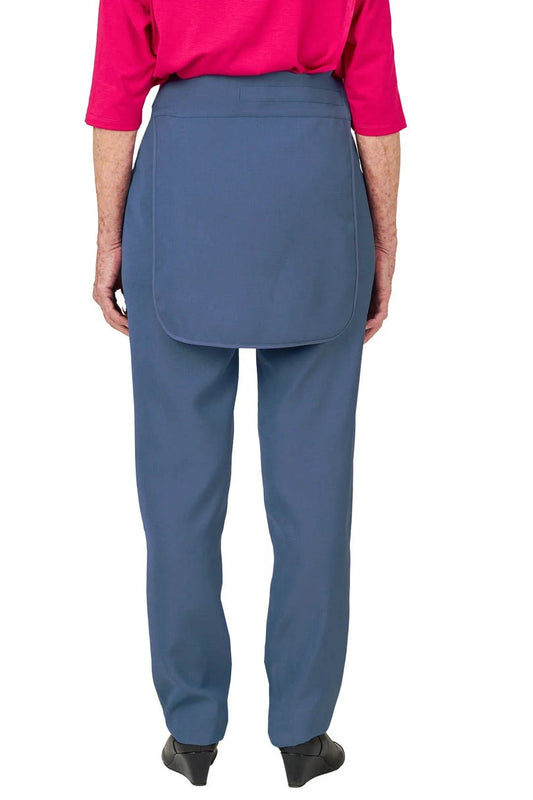
The Men’s Easy On Side Opening Jeans are designed with adaptive side openings that help simplify dressing while still maintaining a familiar denim inspired look.
Adaptive denim focuses on helping clothing work better for real everyday experiences instead of expecting people to adapt to uncomfortable clothing.
 Men’s Easy On Side Opening Jeans
Adaptive Jeans for Wheelchair Users
Traditional jeans are usually designed and fitted primarily for standing bodies, which can create discomfort for wheelchair users during long periods of sitting.
Certain waistbands, seams, or stiff fabrics may create pressure points, bunching, or discomfort throughout the day.
Adaptive denim for wheelchair users often focuses on:
• More flexible waistbands
• Reduced pressure points
• Softer stretch fabrics
• Better seated comfort
• Easier dressing access
• Improved movement throughout transfers
Comfort while seated is one of the biggest differences between adaptive denim and traditional jeans.
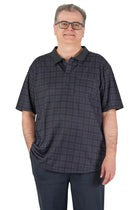
The Men’s Adaptive Back Opening Jacquard Polo Shirt pairs well with adaptive denim while supporting easier dressing and comfortable everyday wear.
Small adjustments in fit and flexibility can make a major difference over several hours of wear.
 Men’s Adaptive Back Opening Jacquard Polo Shirt
Softer Denim and Stretch Fabrics Matter
Traditional denim is often associated with stiff fabrics and rigid fits, but adaptive denim focuses much more on comfort and flexibility.
For people with sensory sensitivities, chronic pain, sensitive skin, or mobility limitations, softer fabrics and stretch materials can make a huge difference in everyday comfort.
Adaptive denim may include:
• Stretch blends
• Softer fabrics
• Flexible waistbands
• Reduced irritation
• Easier movement
• Lighter weight materials
Comfort focused fabrics help make jeans feel more wearable during long periods of sitting, movement, or everyday routines.
The Men’s Crew Neck T Shirt with Back Overlap offers adaptive dressing functionality with a relaxed everyday style designed for comfort and easier wear alongside adaptive denim.
Accessibility often comes from improving comfort in small but meaningful ways.

Men’s Crew Neck T Shirt with Back Overlap
Top JuneAdaptive Picks for Everyday Comfort
Adaptive denim and comfort focused adaptive clothing can help make dressing feel easier, more comfortable, and more manageable throughout everyday routines.
Some Ovidis favorites include:
• Men’s Easy On Side Opening Jeans
• Men’s Adaptive Long Sleeve Back Opening Polo Shirt
• Men’s Crew Neck T Shirt with Back Overlap
Adaptive denim is helping make everyday dressing feel more comfortable, accessible, and practical for people with mobility needs, chronic illness, recovery related limitations, or sensory sensitivities.
Features like side openings, stretch fabrics, elastic waists, and easier closures can help reduce dressing strain while supporting comfort throughout the day.
As adaptive fashion continues evolving, accessible denim is becoming an important part of helping more people wear clothing that feels both functional and stylish without compromising comfort or independence.