Written by Samantha Jafar
⏳5 minutes of your time could win you a $50 gift card! 🎉Help us design our new adaptive apparel launch by sharing your experience. 👕 Link Here 👈
Introduction
In the world of skincare ingredients, some names receive constant attention—while others quietly deliver powerful results without much recognition. Allantoin falls into the second category. Despite being widely used in dermatology and cosmetic formulations for decades, many consumers still overlook this gentle yet highly effective skin-repair ingredient.

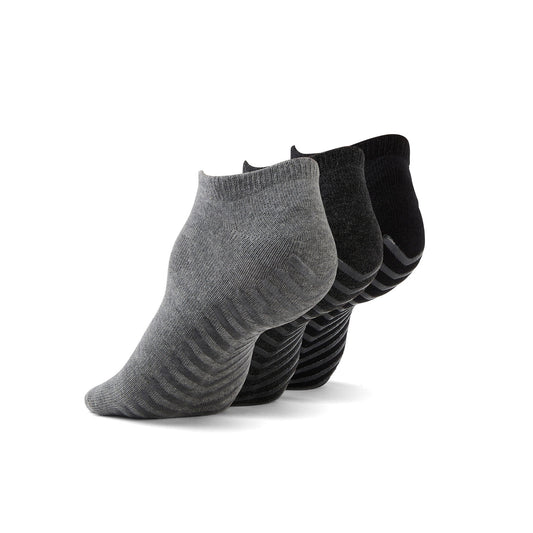
Comfort Crew Anti-Slip Socks (3 pairs)
Botanical Sources and Extraction Methods
Allantoin’s story begins in nature. Traditionally, the compound was derived from the comfrey plant (Symphytum officinale), a botanical long used in herbal medicine for its skin-soothing properties.
For centuries, comfrey extracts were applied to minor skin irritations, scrapes, and dryness. Herbalists believed the plant helped encourage tissue repair, a claim later supported by modern research identifying allantoin as one of the plant’s key active components.
Today, however, most cosmetic-grade allantoin is produced through synthetic processes rather than plant extraction. This approach offers several advantages:
-
Consistent purity levels
-
Reliable large-scale production
-
Reduced environmental impact on plant resources
-
Improved stability for cosmetic formulations
According to cosmetic safety assessments reviewed by the U.S. Food and Drug Administration (FDA) and the Cosmetic Ingredient Review (CIR) panel, synthetically produced allantoin is chemically identical to the naturally occurring compound.
This ensures consumers receive the same skin benefits without the variability sometimes associated with botanical extraction.
Because of its safety profile and effectiveness, allantoin is now commonly found in:
-
Moisturizers
-
After-sun treatments
-
Sensitive-skin cleansers
-
Shaving products
-
Healing balms and lotions
Its gentle nature makes it particularly valuable in products designed for individuals experiencing irritation, dryness, or barrier damage.

Imperfectly Perfect - Gender Neutral Crewneck Sweatshirt
Why Synthetic Allantoin Became the Standard
The shift toward lab-produced allantoin reflects a broader trend in skincare science.
Synthetic production allows manufacturers to ensure:
-
Higher ingredient stability
-
Consistent concentration levels
-
Better product safety testing
These factors make it easier to develop reliable formulations for people with sensitive or reactive skin.
Clinical Data on Skin Healing and Regeneration
Allantoin’s reputation as a skin-repair ingredient is supported by decades of dermatological research.
Clinical studies have shown that allantoin promotes cell proliferation, meaning it helps encourage the growth of new skin cells. This process supports the body’s natural repair mechanisms, allowing damaged or irritated skin to recover more efficiently.
The compound also functions as a keratolytic agent, which means it helps soften and loosen the outer layer of dead skin cells. This gentle exfoliation can improve skin texture without the irritation associated with stronger exfoliating acids.
Research referenced by dermatological organizations and cosmetic safety panels highlights several key benefits:
-
Improved skin hydration
-
Enhanced wound healing support
-
Smoother skin texture
-
Reduced dryness and flaking
The National Center for Biotechnology Information (NCBI) has documented allantoin’s role in promoting tissue regeneration and supporting skin barrier recovery.
Importantly, these benefits occur without the aggressive exfoliation seen with stronger active ingredients.
For individuals managing conditions such as eczema, irritation from environmental exposure, or sensitive skin flare-ups, this gentle approach can be especially helpful.
Skin Conditions That May Benefit from Allantoin
Because of its soothing properties, allantoin is commonly used in products targeting:
-
Dry or flaky skin
-
Mild irritation or redness
-
Post-shaving sensitivity
-
Environmental stress damage
While it is not a medical treatment for chronic skin diseases, it often complements dermatologist-recommended skincare routines.
Anti-Inflammatory Properties Benefiting Reactive Skin
One of allantoin’s most valuable characteristics is its anti-inflammatory effect.
Inflammation plays a central role in many sensitive skin concerns. When the skin barrier becomes compromised, inflammatory signals can trigger redness, itching, and discomfort.
Allantoin helps calm this response by supporting the skin’s natural healing processes and reducing irritation.
Dermatologists frequently include soothing ingredients like allantoin in formulations designed for individuals experiencing:
-
Rosacea-related redness
-
Irritation from harsh skincare products
-
Sensitivity due to environmental exposure
-
Dryness associated with barrier damage
Unlike some popular skincare actives that can cause temporary irritation before delivering benefits, allantoin is typically well tolerated even by very sensitive skin types.

Restore Yourself - Gender Neutral Sweatpants
Signs Your Skin May Benefit from Soothing Ingredients
Many people experience reactive skin without realizing it. Some common indicators include:
-
Burning or stinging when applying skincare
-
Sudden redness after using new products
-
Persistent dryness or tightness
-
Flare-ups triggered by weather changes
Ingredients like allantoin help restore balance by supporting the skin’s natural recovery processes.
Concentration Standards in Cosmetic Formulations
Like many skincare ingredients, allantoin’s effectiveness depends partly on how it is formulated.
Most cosmetic products contain allantoin in concentrations ranging from 0.1% to 2%.
This range is widely recognized by cosmetic chemists and safety review organizations as both effective and safe for daily use.
Lower concentrations—around 0.1%—may be sufficient to deliver basic soothing benefits.
Higher concentrations closer to 1% or 2% are often used in products designed specifically for skin repair or post-irritation care.
The Cosmetic Ingredient Review Expert Panel, an independent scientific body that evaluates cosmetic ingredient safety in the United States, has concluded that allantoin is safe when used within typical cosmetic concentration levels.
How to Spot Allantoin on Ingredient Lists
When reading product labels, you may find allantoin listed under its standard name:
-
Allantoin
It often appears in the middle of ingredient lists because only small amounts are required for effectiveness.
Pairing Allantoin with Other Soothing Ingredients
While allantoin is effective on its own, it often works best when combined with other calming and barrier-supporting ingredients.
Many skincare formulations pair allantoin with components that enhance hydration, reduce irritation, or support skin structure.
Common complementary ingredients include:
Panthenol (Vitamin B5)
Panthenol supports hydration and helps calm irritated skin, making it a natural partner for allantoin.
Ceramides
These lipids help restore the skin barrier and prevent moisture loss.
Niacinamide
Niacinamide strengthens the skin barrier and reduces inflammation.
Hyaluronic Acid
This ingredient draws moisture into the skin, improving hydration and comfort.
When these ingredients work together, they create a well-rounded approach to skin repair.
A Simple Soothing Skincare Routine
For individuals with sensitive skin, a gentle routine may include:
-
A mild cleanser
-
A moisturizer containing soothing ingredients like allantoin
-
Sunscreen recommended by dermatologists
This simplified approach helps protect the skin barrier while minimizing irritation.
Accessibility and Inclusive Skincare Design
At June Adaptive, accessibility extends beyond clothing to everyday self-care routines, including skincare.
People with mobility limitations, arthritis, or reduced grip strength often encounter challenges when using traditional packaging.
Examples include:
-
Small caps that are difficult to twist open
-
Pumps requiring excessive pressure
-
Narrow containers that are hard to grip
Accessible packaging solutions may include:
-
Larger pump dispensers
-
Easy-open lids
-
Ergonomic bottle shapes
-
High-contrast labeling for easier reading
These design improvements help ensure skincare remains accessible to individuals with diverse physical needs.
Ingredients like allantoin support skin repair, but accessible packaging ensures people can use those products independently.
Inclusive design is about more than convenience, it’s about dignity and autonomy in everyday routines.
Why Allantoin Deserves More Attention
In an industry often driven by trends and buzzworthy ingredients, allantoin stands out for its reliability and gentleness.
Its ability to calm irritation, support skin repair, and improve hydration makes it an excellent option for individuals managing sensitive or reactive skin.
Unlike more aggressive treatments, allantoin works quietly alongside the skin’s natural processes.
For many people, especially those with compromised skin barriers, that gentle support can make daily skincare far more comfortable.
At June Adaptive, we believe that skincare innovation should combine effective ingredients with accessible design. When products are both scientifically sound and thoughtfully designed, they empower people to care for their skin with confidence.
And sometimes, the most powerful ingredients are the ones that have been quietly helping all along.
If you enjoyed this blog, please sign up to the June Adaptive Newsletter below to receive more updates! Share your experience in our 5-minute survey to inform our new adaptive apparel launch. Get a chance to win a $50 gift card Link Here