Introduction
Skincare is often marketed through sleek designs, luxury branding, and visually appealing packaging. But for many people, opening a lotion bottle, twisting a serum cap, or squeezing product from a tube can be surprisingly difficult. Individuals living with arthritis, limited mobility, chronic pain, visual impairments, or dexterity challenges frequently encounter packaging that prioritizes aesthetics over usability. As conversations around accessibility and inclusive design continue to grow, brands are beginning to recognize that thoughtful packaging design benefits far more people than they may realize.
What Is Accessible Skincare Packaging?
Accessible skincare packaging refers to product containers specifically designed to be easier to open, hold, read, and use for people with varying physical abilities. This includes individuals with disabilities, older adults, people recovering from injuries, and even busy consumers juggling multitasking routines.
Examples of accessible packaging features include:
- Easy-grip lids and ergonomic containers
- Pump dispensers instead of twist caps
- Larger, readable fonts
- Tactile indicators for visually impaired users
- Lightweight containers
- Easy-open seals and closures
These thoughtful changes may seem small, but they can significantly improve daily
independence and comfort.
Why Traditional Packaging Can Be a Barrier?
Many skincare products are packaged with visual appeal as the primary focus. While sleek glass bottles and tightly sealed jars may look elegant on store shelves, they can create unnecessary frustration for users. For someone living with arthritis, for example, gripping and twisting a small serum cap may cause discomfort or pain. According to the U.S. Centers for Disease Control and Prevention (CDC), arthritis affects millions of adults in the United States and can limit hand mobility and dexterity.
Similarly, individuals with Parkinson’s disease, stroke-related mobility changes, or muscular conditions may struggle with complicated packaging designs that require fine motor control. Even younger consumers experience these frustrations more often than brands realize. Anyone who has tried opening a slippery moisturizer jar with wet hands understands how inconvenient inaccessible packaging can be.
Accessible Design Benefits Everyone
One of the most important ideas behind inclusive design is that accessibility improvements rarely benefit only one group of people. Features originally designed for accessibility often improve convenience for everyone.
Everyday Benefits Consumers Appreciate
Accessible skincare packaging can make daily routines smoother for all users.
Common advantages include:
1. Faster, easier product access
2. Reduced spills and waste
3. Better grip during use
4. Simplified travel and portability
5. Less strain on hands and wrists
Inclusive design often creates products that feel more intuitive overall.
The Growing Demand for Inclusive Beauty Products
Consumers today are paying closer attention to accessibility and representation across industries, including beauty and skincare.
People increasingly want products that reflect real-world needs rather than unrealistic
perfection. Inclusive beauty is no longer limited to shade ranges or advertising campaigns — it also includes how products physically function in everyday life.
Brands that prioritize accessible design demonstrate empathy, innovation, and user-
centered thinking. This shift aligns with a broader movement toward universal design, which aims to create products usable by the widest range of people possible.
Accessibility Extends Beyond Skincare
Accessibility is not limited to beauty products alone. Daily comfort and independence are deeply connected to clothing, footwear, and personal care routines as well.
At June Adaptive, adaptive fashion and accessible living products are designed with the same philosophy in mind: reducing barriers while supporting dignity, comfort, and
confidence.
Adaptive Apparel That Supports Everyday Comfort
Accessible clothing can make daily routines easier for individuals with mobility limitations, chronic pain, or assisted dressing needs.
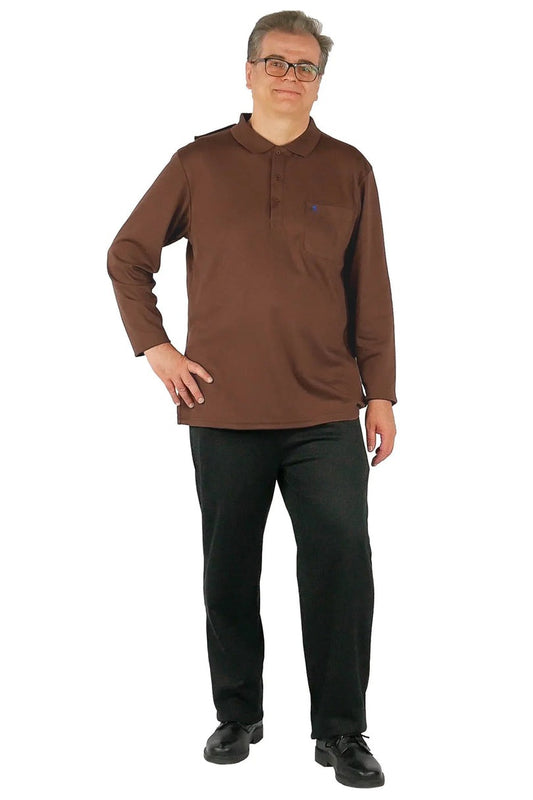
One excellent example is the Men’s Adaptive Back-Opening Knit Polo Shirt | Assisted
Dressing Snap Closure Comfort Top.
1. Men’s Adaptive Back-Opening Knit Polo Shir

This adaptive polo shirt combines comfort and style with practical accessibility features. Its back-opening design and snap closures simplify assisted dressing for caregivers while reducing physical strain for the wearer.
Benefits include:
1. Easier dressing assistance
2. Reduced discomfort during movement.
3. Soft, comfortable knit fabric
4. A polished, everyday appearance
5. Greater dignity and independence
Rather than looking overly medical or institutional, adaptive apparel like this supports both functionality and personal style.
Why Assisted Dressing Features Matter?
Traditional clothing can become difficult for individuals with arthritis, shoulder injuries, limited arm mobility, or neurological conditions.
Buttons, tight neck openings, and restrictive fabrics may increase frustration during dressing routines. Adaptive clothing helps reduce these challenges while improving comfort for both caregivers and wearers.
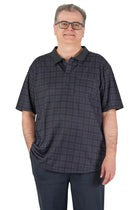
Another thoughtfully designed option is the Easy-Access Open-Back Snap Closure Shirt for Assisted Dressing | Easy Closure Adaptive Top.
2. Easy-Access Open-Back Snap Closure Shirt for Assisted Dressing

This shirt is designed specifically to simplify dressing without sacrificing appearance or comfort. Open-back construction and easy snap closures allow caregivers to assist more gently and efficiently.
Features Families and Caregivers Appreciate
Adaptive tops like these are especially helpful because they offer:
1. Faster dressing routines
2. Reduced lifting and pulling
3. Improved comfort for seated users
4. Easier clothing changes during medical care
5. Less stress for caregivers and loved ones
Accessibility-focused design helps preserve dignity during everyday routines that many people take for granted.
The Overlooked Importance of Safe, Comfortable Footwear
When discussing accessibility, footwear is often overlooked. Yet slips and falls remain a major concern for older adults and individuals with mobility challenges.
According to the National Institute on Aging, falls are one of the leading causes of injury among older adults in the United States.
Simple adaptive products can help reduce risks while improving everyday comfort.
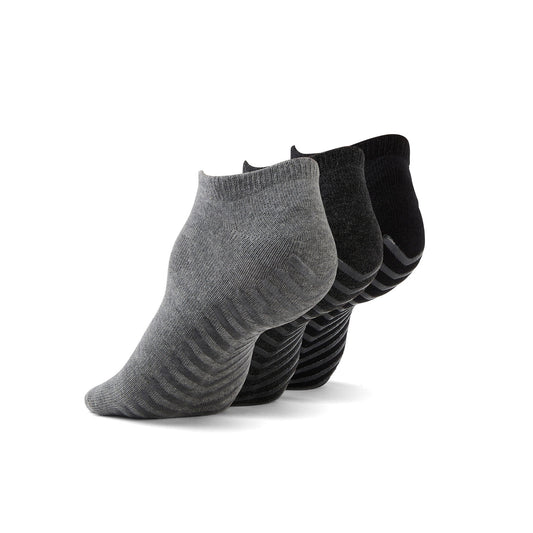
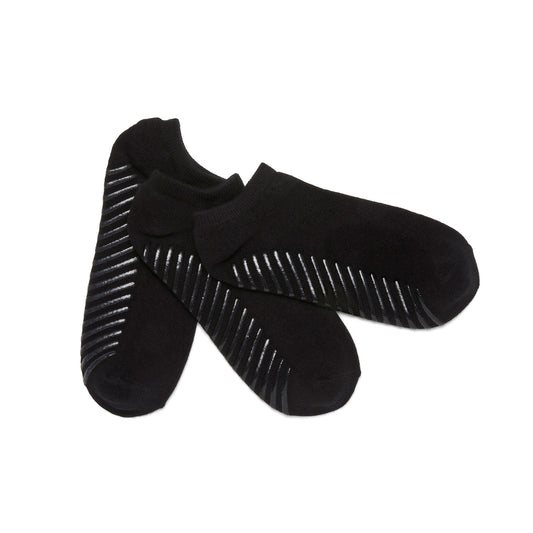
One practical example is the Everyday Crew Anti-Slip Socks (3 pairs).
3. Everyday Crew Anti-Slip Socks (3 pairs).

These anti-slip socks are designed to provide greater stability on indoor surfaces while maintaining soft, comfortable wear throughout the day.
Why Anti-Slip Socks Are Helpful?
Key benefits include:
1. Improved traction on smooth floors
2. Enhanced comfort for all-day wear
3. Reduced fall risk indoors
4. Better stability for mobility support
5. Comfortable fit for sensitive feet
Adaptive accessories may seem simple, but they can make a meaningful difference in
promoting safety and confidence at home or in care environments.
Inclusive Design Encourages Independence
One of the most powerful aspects of accessible design is its ability to support independence. When products are easier to open, wear, grip, or use, individuals can often complete tasks with less assistance. This can positively affect emotional well-being, self-esteem, and overall quality of life.
For example:
1. Easy-open skincare packaging may allow someone with arthritis to maintain their
skincare routine independently.
2. Adaptive clothing can reduce reliance on caregivers during dressing.
3. Anti-slip socks can improve confidence while walking indoors.
These seemingly small moments contribute to a stronger sense of autonomy and dignity.
Why Brands Should Prioritize Accessibility
Accessibility should not be treated as a niche trend. It is a critical part of thoughtful, user- centered innovation.
As the U.S. population continues to age, the demand for adaptive products and accessible design will likely continue growing. According to the U.S. Census Bureau, older adults represent one of the fastest-growing demographic groups in the country.
Brands that invest in accessibility are not only supporting inclusion — they are also creating better experiences for broader audiences.
Accessible Design Is Good Design
Companies that embrace accessibility often discover additional benefits:
1. Improved customer satisfaction
2. Greater product usability
3. Stronger brand trust
4. Expanded market reach
5. Increased long-term customer loyalty
Ultimately, accessible products are simply more practical for real life.
The Future of Beauty and Accessibility
The future of skincare and wellness should include products that are both beautiful and functional. Consumers no longer want to choose between attractive design and usability. Fortunately, more companies are beginning to recognize that accessibility can enhance innovation rather than limit it. Inclusive skincare packaging, adaptive apparel, and accessible daily living products all share the same goal: helping people feel more comfortable, confident, and supported in everyday life. When brands prioritize real human experiences, everyone benefits.
Final Thoughts
Accessible skincare packaging is about far more than convenience. It represents a shift toward empathy, inclusion, and thoughtful design that acknowledges the diverse needs of real people.
Whether it is easier-to-open skincare containers, adaptive clothing that simplifies dressing, or anti-slip socks that improve stability, accessibility-focused products help support comfort, independence, and dignity every day.
Products like the Men’s Adaptive Back-Opening Knit Polo Shirt | Assisted Dressing Snap Closure Comfort Top, the Easy-Access Open-Back Snap Closure Shirt for Assisted Dressing | Easy Closure Adaptive Top, and the Everyday Crew Anti-Slip Socks demonstrate how inclusive innovation can improve daily routines for individuals, caregivers, and families alike. As more brands embrace universal design principles, accessibility will continue shaping a future where products work better for everyone — not just a select few.
If you enjoyed this blog, please sign up to the June Adaptive Newsletter below to receive more updates! Share your experience in our 5-minute survey to inform our new adaptive apparel launch. Get a chance to win a $50 gift card Link here