Written By: Avery Buker
⏳5 minutes of your time could win you a $50 gift card! 🎉Help us design our new adaptive apparel launch by sharing your experience. 👕 Link Here 👈
Introduction
Daily hygiene shouldn't feel like climbing a mountain when chronic illness already steals so much energy. From arthritis grip limits to fatigue crashes, millions of people navigate basic self-care every single day. The goal is finding tools and strategies that make cleanliness affirming instead of exhausting.

June Adaptive Good Vibes - Gender Neutral Sweatpants
Energy Management and Simplified Routines for People with Chronic Illness
For many, chronic illness rewires time itself. Minutes become precious currency when fatigue lurks around every corner. Energy management for hygiene means ruthless prioritization: protect your energy for showering so work emails or family dinners remain possible. Pacing transforms hygiene from a daily deficit into a sustainable foundation.
The CDC reports that 6 in 10 U.S. adults live with chronic disease, often compounding into multi-system fatigue where standing showers can drain entire mornings. Occupational therapists teach "activity pacing," which means splitting hygiene across 24 hours rather than cramming everything into 20 frantic minutes. Monday might be a seated face wipe (2 minutes). Tuesday could be dry shampoo plus a deodorant wipe (3 minutes). Wednesday brings a full rinse during your post-nap energy peak (8 minutes).
Energy-conserving hygiene pacing techniques:
-
24-hour distribution: Face and neck in the morning with wipes, body in the evening with a seated rinse, hair biweekly with dry shampoo and conditioner spray.
-
Prep stations: Keep a bedside caddy stocked with wipes, pump toothpaste, and mouthwash strips so there's no morning foraging when brain fog peaks.
-
Circadian alignment: Schedule standing tasks after meals (blood sugar advantage) or before medication kicks in (pain is at its minimum).
-
Micro-adaptation stacking: Electric toothbrush timers give you perfect 2-minute brushing without stopwatch stress. Pre-portioned hygiene pods with a lotion quarter-size or toothpaste dot eliminate decision fatigue. Audio-guided routines through smart speakers can cue you without adding cognitive load.
-
Weather-proofing: On humid days, use lighter wipes. In winter, reach for richer pump creams.
Pacing creates abundance from scarcity. What feels impossible becomes predictable rhythm, building confidence that extends beyond hygiene into work, parenting, and creativity. Hygiene stops being the energy thief and becomes the foundation. Users report significantly less resentment toward self-care once they find their pacing rhythm.
Accessible Products Reducing Barriers to Hygiene and Dignity
Inaccessible hygiene products don't just inconvenience people. They humiliate, turning private self-care into public struggle or shameful neglect. Adaptive tools restore agency through elegant problem-solving: one-handed dispensers, spill-proof designs, reach-extenders that quietly communicate "you belong here too."
A 2025 survey found that nearly half of Americans skip handwashing at key moments due to barriers. Imagine the rates among disabled adults dealing with grip pain or standing limits. Pump soaps replace screw-caps and work about 40% faster according to occupational therapy studies. Antimicrobial body wipes can rival full showers with hospital-grade bacteria kill rates. Collapsible shower stools fit standard tubs and are often Medicare-covered.
Real-user accessibility wins:
-
Palm-press lotion pumps: People with rheumatoid arthritis cut application time by 40% and spare their knuckles entirely.
-
No-rinse hygiene systems: Specialized wipes can prevent bedsores during flares and provide hospital-grade clean without requiring standing.
-
24-inch silicone sponges: Curved handles reach backs and legs strain-free, reducing bending by about 60% according to physical therapy metrics.
-
Wall-mounted caddies: Suction soap holders keep bottles at chest height, which means no dropped bottles and instant access.
Consider Mark from Texas with RA: "Screw-cap lotions meant daily tears. Pump bottles transformed my mornings down to 7 minutes." Or Sarah from California with MS: "Long sponges gave me the first time washing my own back in years." These stories repeat constantly across support groups. Accessibility equals emotional liberation.
Budget-friendly accessibility stacking:
Look for drugstore pump cleansers, pre-moistened wipes, and inexpensive silicone spatulas. Medicare Part B covers shower chairs at 80% with a prescription, plus grab bars and raised toilet seats. DIY adaptations include rubber jar grippers for under a dollar, electric openers, and Velcro soap bags. Subscription models for auto-shipped wipes prevent running out during flares.
Adaptive clothing complements this beautifully. Magnetic-closure robes work great post-shower. Easy-entry pants support seated dressing. Wide-leg designs accommodate swollen joints while open-back styles simplify reach. These aren't luxuries. They're dignity infrastructure.
Accessibility compounds in beautiful ways. Easier hygiene means more energy, which leads to better mood, which sustains adherence. The virtuous cycle transforms bare survival into something closer to gentle thriving.
Preservation multipliers:
Antimicrobial wipes double as travel hygiene and are TSA-compliant. Pump bottle refills reduce plastic waste while stretching budgets. Tool warranties (typically 1-3 years) ensure reliability when you really need it.
Psychological Impact of Accessible Personal Care
Chronic illness can weaponize hygiene against your self-image and can create a vicious internal loop. Accessible tools interrupt this cycle, replacing defeat with quiet competence. Each successful routine rebuilds self-efficacy, one pump, one wipe, one small victory at a time.
A 2025 Journal of Health Psychology meta-analysis found that self-compassionate chronic illness patients using adaptive tools without shame showed 35% lower depression rates and stronger coping skills overall. The theory behind this makes sense: predictable hygiene success creates what researchers call "mastery experiences," which are foundational to resilience.
The emotional math transforms completely. Inaccessible struggle creates a shame spiral. Accessible success creates a confidence cascade.
Suddenly, "I managed a shower and cooking today" reframes your identity from "broken" to "resourceful." Private competence spills into public confidence. Coffee dates resume. Work calls feel sharper. Clean hair equals social readiness.
Psychological ripple effects:
-
Anxiety reduction: Reliable tools eliminate the "what if I drop this or can't reach?" dread loops that plague every task.
-
Self-esteem restoration: Private competence rebuilds public confidence in measurable ways.
-
Social reconnection: Cleanliness confidence translates to willingness to see friends, eliminating what many people call "bedhead shame."
-
Depression buffer: Consistent self-care links to significantly lower distress scores in longitudinal studies.
Visual normalization matters too. Suction grab bars and shower stools send the message that "adaptation is smart, not failure." Children pick up on this: "Mommy's shower chair helps her be strong!" Shame dissolves and pride emerges in its place.
Longitudinal mental health gains:
After 6 months of using adaptive hygiene tools, users report significantly higher life satisfaction. Caregiver burden drops substantially when patients can self-manage grooming. Therapy attendance actually rises because showered patients feel "worthy" of professional help.
Accessible hygiene prevents isolation cascades. Clean, confident people attend therapy, exercise classes, and dates. Self-care becomes psychological scaffolding, holding you up when illness tries to pull you down.

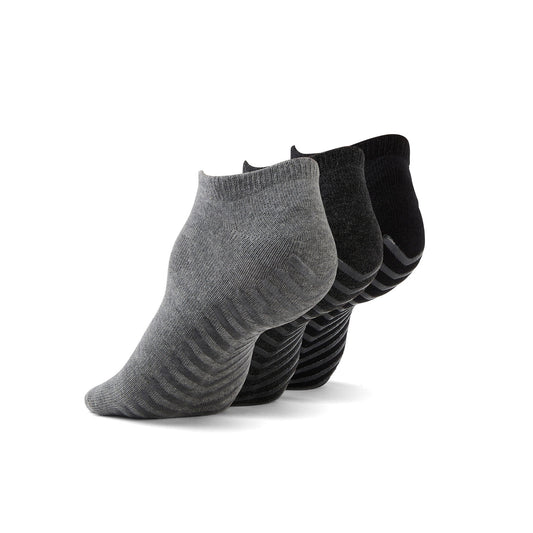
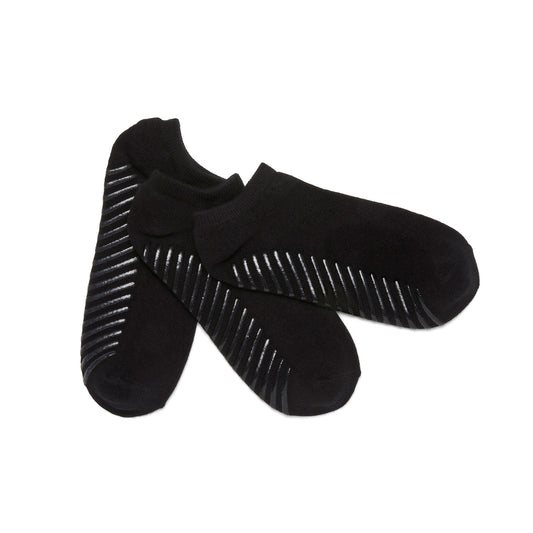
June Adaptive Comfort Crew Anti-Slip Socks (3 pairs)
Building Self-Compassion into Adaptation Strategies
Self-compassion isn't fluffy self-help. It's survival architecture for chronic illness. When shaky hands drop soap for the third time, compassion whispers: "Bodies have limits. You're doing enough." This internal ally sustains adaptation when willpower inevitably falters.
Research shows that compassionate chronic illness patients maintain twice as many positive health behaviors and have lower inflammation markers. Studies confirm that self-compassion mediates the gap between illness burden and wellbeing, especially in self-care domains.
Compassion-infused adaptation rituals:
-
Grace inventory: After your routine, name one win out loud. "I used wipes instead of skipping hygiene entirely."
-
Flexible thresholds: Full shower equals a gold star. Wipes equal silver. Doing nothing equals bronze. All of them count as legitimate self-care.
-
Body gratitude: "Thank you, hands, for trying today" replaces "stupid useless hands" self-talk.
Anti-perfectionism toolkit:
-
Three-try rule: Attempt the shower. Can't manage it? Switch to wipes. Still can't do that? Tomorrow's a new day with no judgment.
-
Celebrate increments: A seated face wash is a victory lap, not a "half-measure" failure.
-
Permission slips: Pre-write "Bed hygiene day, zero guilt" on sticky notes for the hardest days.
-
Mirror affirmations: "I'm resourceful. My body plus my tools equals a capable team."
Adaptive products embody this compassion philosophy. Magnetic shirts forgive flare-day dressing struggles. Wide-leg pants accommodate swollen joints without comment. The design itself whispers permission: "Adapt today, conquer tomorrow."
Compassion measurement:
Keep a weekly journal rating your self-talk on a scale of 1-10 before and after adaptation. Track your "should" thoughts and watch them transform: "I should shower daily" becomes "Wipes work perfectly for today." Try a buddy system where you text a friend your daily win and receive celebration in return.
Compassionate adaptation builds what researchers call anti-fragility. Tools fail? Your mindset holds steady. Flares extend longer than expected? Your standards flex with grace. Self-kindness becomes a genuine competitive advantage, turning hygiene from a battleground into a sanctuary. Users report significantly less burnout and can sustain their routines through changing seasons.

Choose Balance Unisex Crewneck Sweatshirt
Community Support and Resource Sharing for Accessibility Needs
Nobody adapts successfully in isolation. Community intelligence turns individual struggle into collective triumph. Facebook groups, Reddit forums, and local resource pantries democratize hygiene hacks, with people swapping electric openers, reviewing pump soaps, and normalizing seated showers.
The ChronicIllness subreddit with over 250,000 members crowd-sources questions like "Best lotion pump under $15?" Facebook Marketplace disability groups trade barely-used shower chairs for free. The National Council on Independent Living connects people to local durable medical equipment pantries.
Community-powered hygiene solutions:
-
Digital swap networks: "Gently used long sponge available for pickup in Arlington" saves someone $40.
-
Virtual OT workshops: Free Zoom classes on "Pacing Your Hygiene" from occupational therapists.
-
Hashtag wisdom: AdaptiveHygiene threads where people test wipes and share honest alternatives.
Local resource ecosystems:
Church pantries offer free monthly hygiene kits. Lions Club chapters do free grab bar installations. Area Agencies on Aging provide durable medical equipment loans for 2-week trials. Buy Nothing groups connect neighbors: "Need a shower stool, anyone?"
Scaling community impact:
Review collectives where "This pump works great with arthritis grip, 8/10" beats any manufacturer's marketing claims. Bulk advocacy where 50 voices requesting store grab bars carries more weight than solo complaints. Story amplification through social media where AdaptiveHygiene videos with over a million views normalize these tools for everyone.
Apps that map resources nationwide make finding local help easier. Connection compounds beautifully. Your wipe hack helps someone across the country. Hygiene becomes a shared victory. Isolation dissolves. Resilience multiplies across the community.
Advanced community strategies:
Discord servers offer real-time "flare hygiene SOS" peer support when you need it most. Crowdfund pools organize group buys for expensive electric openers. Policy advocacy petition campaigns push for store accessibility upgrades that benefit everyone.
Community transforms scarcity mindset completely. "Can't afford pump lotion" becomes "Group buy alert, let's split the cost!" The multiplier effect means one shared hack reaches thousands of people, creating genuine nationwide accessibility momentum.
Taking care of yourself with chronic illness doesn't have to mean doing it alone. The tools help. The pacing helps. But the community support might be what sustains you through the hardest days, reminding you that adaptation is resourceful, not weak, and that you deserve dignity in every aspect of self-care.
If you enjoyed this blog, please sign up to the June Adaptive Newsletter below to receive more updates!
Share your experience in our 5-minute survey to inform our new adaptive apparel launch. Get a chance to win a $50 gift card Link here