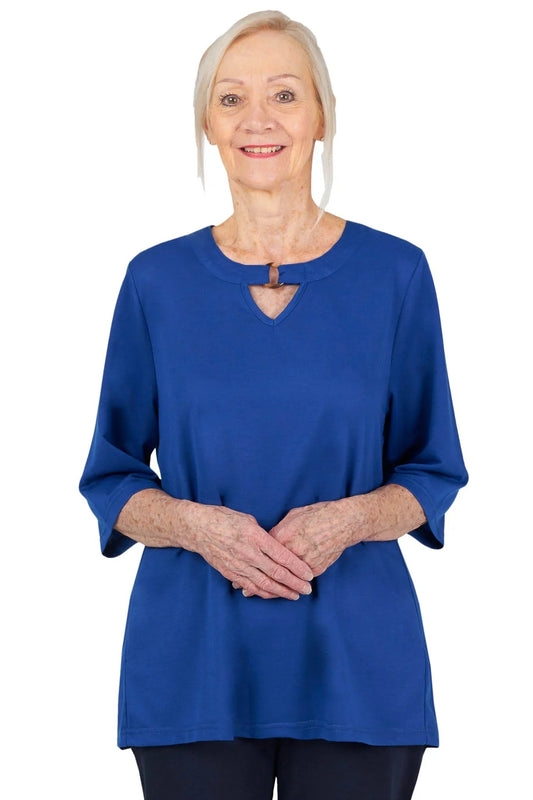
Author: Zarif Ahmed
When someone is diagnosed with dementia or Alzheimer’s, daily routines like getting dressed can become challenging. What was once a simple part of the morning becomes a confusing, frustrating, and sometimes even distressing experience. But there is good news: adaptive clothing can make this process significantly easier, preserving comfort, autonomy, and most importantly, dignity.
This guide is for caregivers, family members, and care professionals looking to better support people living with memory loss. From thoughtful design elements to real-world success stories, here's how adaptive fashion can ease the burden and bring moments of calm into the dressing routine.
The Challenge: Dressing With Dementia
For people with dementia, cognitive decline can lead to difficulty with basic dressing tasks like identifying clothing items, manipulating small buttons, or understanding the order in which garments should be put on. Additionally, sensory sensitivities can make traditional clothing feel uncomfortable or even distressing.
Caregivers often describe mornings as one of the most difficult times of the day. Patients may resist dressing, become agitated by textures or confusion, or even attempt to undress repeatedly due to discomfort.
One caregiver, Sheila, shared: “My mother didn’t want help, but she’d get overwhelmed by buttons or zippers. It would frustrate her, and then she’d refuse to get dressed at all.” These situations are not just inconvenient—they create tension in what should be a peaceful, caring start to the day.
The emotional and physical toll of these daily interactions builds over time. Caregivers report feeling helpless or even guilty when they can’t make dressing easier. But the issue isn’t a lack of compassion—it’s a lack of the right tools. And this is where adaptive clothing comes in.
How Adaptive Clothing Helps
Adaptive clothing is specially designed to simplify the dressing process for people with limited mobility, cognitive impairment, or sensory needs. For dementia care, it can:
-
Reduce Confusion: Simple closures like magnets or Velcro make it easier for individuals to dress themselves or to be dressed without distress.
-
Support Independence: Clothing designed for easy-on, easy-off dressing lets individuals retain autonomy longer.
-
Improve Comfort: Soft, tag-less, breathable fabrics help minimize sensory triggers.
-
Enhance Dignity: Adaptive clothing looks like "regular" fashion, avoiding clinical or stigmatizing designs.
These garments often feature discreetly hidden adaptive elements. Magnetic closures mimic buttons, back overlaps mimic regular seams—creating a sense of normalcy. Some even integrate textures and cuts familiar to the wearer’s personal history, offering an added layer of reassurance and comfort.
Adaptive fashion helps not just with the task of dressing, but with confidence. When someone feels more in control, their entire demeanor shifts. For dementia patients, this can mean fewer emotional outbursts, less resistance to care, and more peaceful transitions throughout the day.
Key Features to Look For
When selecting adaptive clothing for someone with dementia, prioritize these attributes:
-
Magnetic Closures: Replaces tiny buttons with easy-align magnetic snaps.
-
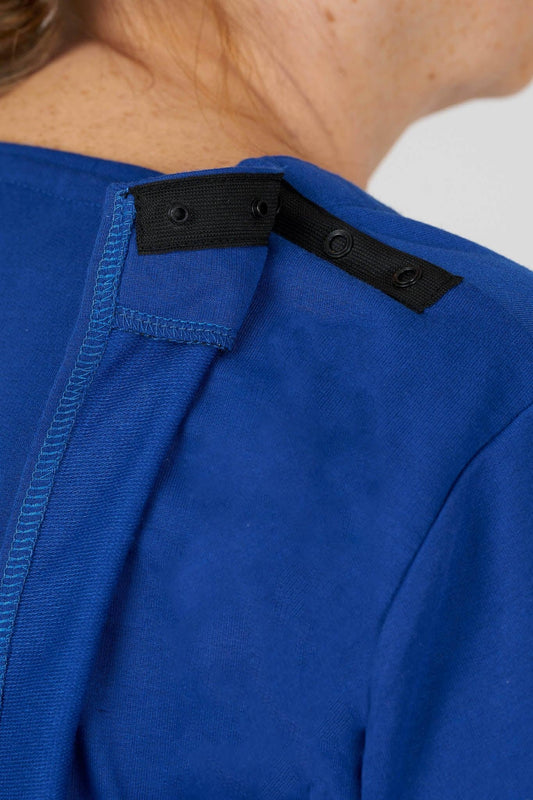
Open-Back Tops: Allows caregivers to dress the person without pulling garments over the head.
-
Elastic Waist Pants: Easy to pull on and off, especially for toileting.
-
Tagless Interiors: Reduces irritation for those sensitive to tags or seams.
-
Familiar Styles: Avoids unfamiliar cuts that might cause confusion or distress.
These features combine practicality with empathy. Choosing clothing designed for cognitive decline helps maintain routines, reinforces identity, and reduces the physical and emotional effort involved in dressing.
Fabric also plays a crucial role. Look for soft bamboo, modal, or brushed cotton. These materials are gentle on aging skin and help regulate temperature—an important factor for individuals with dementia who may not be able to communicate discomfort clearly.
Real-Life Impact: The Story of Henry
Henry, a former school principal, was diagnosed with Alzheimer’s in his late seventies. As his condition progressed, his family noticed that he was becoming increasingly resistant to getting dressed in the morning. His wife, Marlene, explained:
“He’d always been proud of his appearance, but suddenly getting dressed became overwhelming. He would get frustrated when clothing had to go over his head or when we had to adjust his arms into sleeves. It was heartbreaking.”
A geriatric nurse recommended adaptive clothing with open-back designs. Henry’s family began choosing pieces that looked like regular clothing but were easier to put on with caregiver support. Products like June Adaptive’s Women’s Strappy Top with Back Overlap show how adaptive clothing can maintain personal style while making dressing less stressful. The back-overlap design allows the garment to be put on without pulling it over the head, helping reduce discomfort and frustration during daily routines.

This story is not unique. Many families find that switching to adaptive clothing can improve mood, strengthen routines, and restore a sense of normalcy. It also creates moments of shared success between caregivers and loved ones, small victories that carry real emotional weight.
Caregiver-Friendly Solutions
Dressing someone with dementia is not just about speed. It is about reducing emotional distress, protecting comfort, and making the experience feel as calm as possible for both the wearer and caregiver. Adaptive clothing designed for assisted dressing helps caregivers in several ways:
Less physical strain: Open-back tops reduce the need for lifting arms, twisting the body, or pulling clothing over the head.
Shorter dressing time: Back-overlap designs and accessible closures can make morning and bedtime routines smoother.
Fewer disruptions: Comfortable clothing can reduce tugging, irritation, and resistance during dressing.
Products like the Women’s Lace Top with Back Overlap are helpful because they combine an elegant, familiar look with an adaptive design that supports assisted dressing. Instead of looking clinical, the lace detailing helps the garment feel stylish and personal, while the back-overlap structure makes it easier for caregivers to dress the wearer gently.

When Style Matters: Preserving Identity
People with dementia are still individuals with their own sense of personal style. Clothing that reflects their personality can help reinforce identity, even as memory changes. Familiar colours, soft textures, and recognizable styles can provide comfort and even joy.
One adult daughter shared: “We found an adaptive top that looked just like something my mom would have picked out herself. She smiled when she saw it. It felt like a piece of her came back.”
Wearing something that feels familiar and stylish can boost confidence and prevent the feeling of being treated differently. Adaptive fashion is not about compromise. It is about meeting people where they are and helping them feel more like themselves every day.
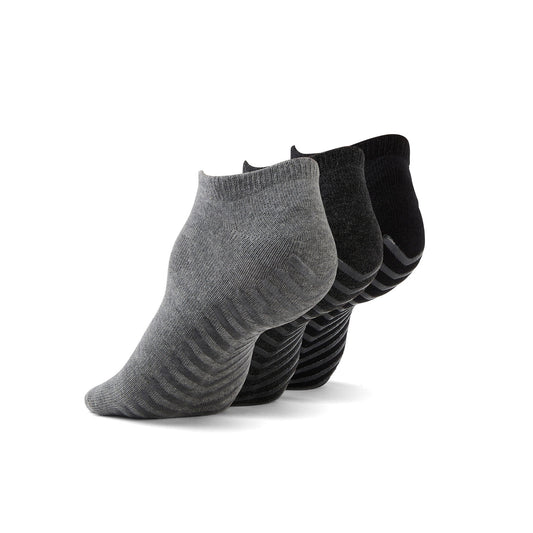
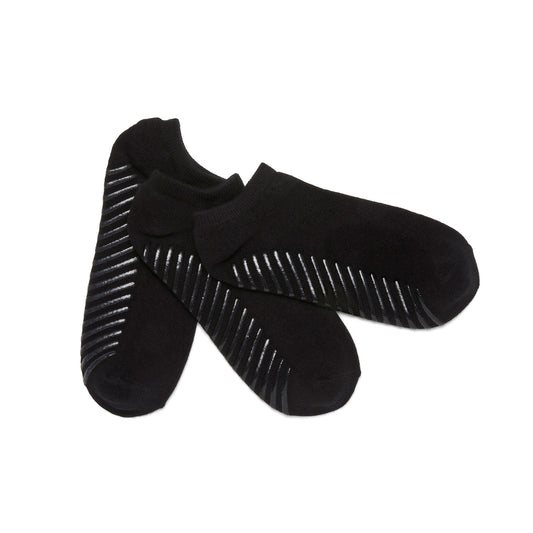
Even smaller wardrobe items can make a difference. June Adaptive’s Diabetic Anti-Slip Socks 3-Pack supports comfort and safety while still feeling like a normal everyday essential. The anti-slip design can help provide stability around the home, while the diabetic-friendly structure is useful for people who need socks that are gentle, comfortable, and easy to wear throughout the day.

Common Dressing Challenges in Memory Care
Here are a few challenges often faced in memory care settings, and how adaptive clothing can help:
-
Repeated Undressing: Choose secure, comfortable clothes that don’t irritate or overheat.
-
Mismatched or Inappropriate Outfits: Use pre-selected, simple wardrobe options to reduce confusion.
-
Difficulty with Toileting: Elastic or tear-away bottoms help preserve dignity and prevent accidents.
-
Resistance to Assistance: Soft, flexible fabrics and open-back designs reduce the need for tugging or pulling.
Care staff at several long-term care homes have implemented uniform adaptive wardrobes for residents with dementia, reporting smoother dressing routines and fewer behavioral incidents around clothing. It’s proof that small changes can lead to measurable improvements in care.
Practical Wardrobe Staples from June Adaptive
To build a dementia-friendly wardrobe, consider these essentials:


These products balance comfort, practicality, and dignity—exactly what’s needed in memory care environments. Each piece is chosen not just for ease of use, but for how it respects the wearer’s self-image.
Caregiver Tips: Dressing With Compassion
Here are a few best practices from professional caregivers:
-
Lay out clothes in the order they should be put on.
-
Offer simple choices ("this shirt or that one?").
-
Keep a calm, upbeat tone.
-
Avoid rushing; give time for each step.
-
Celebrate small successes with positive reinforcement.
One caregiver shared, "I let my dad help pick his shirt even if he can’t button it himself. It gives him agency and sets a positive tone for the day."
Small changes in communication and tone can make a world of difference. The right clothes and a thoughtful approach can transform a challenging task into an opportunity for connection.
Creating a Calm Dressing Environment
Beyond clothing itself, the environment in which someone dresses can significantly impact their experience. For people with dementia, overstimulation or clutter can heighten confusion and agitation.
Try dressing in a quiet, well-lit space with minimal distractions. Use soft, calming colors for the room and keep only a few clothing options visible at a time. Consider labeling drawers or using picture guides to support recognition and decision-making.
Even background music or a familiar scent—like a favorite hand lotion—can turn dressing from a chore into a moment of peace. Routine is powerful in memory care, and combining adaptive clothing with a consistent, soothing environment can improve the day for everyone involved.
Conclusion: Dignity Is Always in Style
Dressing with dignity shouldn’t disappear with a diagnosis. Adaptive clothing helps people with dementia maintain comfort, identity, and independence. For families and caregivers, it offers relief, speed, and a deeper connection to the ones they love.
Whether you’re building a post-diagnosis wardrobe or just searching for a better morning routine, June Adaptive is here to help.
Explore the full memory care-friendly collection at JuneAdaptive.com.