Introduction
For many people, mornings are the most physically and emotionally challenging part of the day. Stiff joints, low energy, chronic pain, mobility limitations, or recovery from illness can make something as simple as getting dressed feel overwhelming. When your body isn’t ready to move yet, traditional clothing can add unnecessary strain and frustration. Adaptive clothing offers a practical and supportive solution, designed to make morning routines smoother, more comfortable, and less physically demanding.
Why Mornings Can Feel So Difficult
Morning discomfort is common for a variety of reasons. Conditions such as arthritis, fibromyalgia, Parkinson’s disease, post-surgical recovery, or general age-related stiffness can make movement more difficult after rest. Even individuals without medical conditions may experience tightness or fatigue early in the day.
Common morning challenges include:
-
Stiffness in joints after waking up.
-
Low energy and reduced mobility.
-
Difficulty bending, lifting arms, or standing.
-
Increased pain during initial movement.
-
Need for assistance during dressing.
When clothing is not designed for these realities, getting dressed can become one of the most stressful parts of the morning routine.
The Problem with Traditional Morning Dressing
Standard clothing often assumes a high level of mobility and flexibility. Tight waistbands, rigid fabrics, buttons, zippers, and overhead designs can all make dressing more difficult when the body is still stiff or sore.
For individuals already struggling in the morning, these small design details can add up quickly, turning a simple task into a physically and emotionally draining experience.
Adaptive clothing helps remove these barriers by focusing on ease, comfort, and accessibility.
How Adaptive Clothing Supports Better Mornings
Adaptive apparel is designed to reduce the physical effort required to get dressed. Instead of requiring the body to adjust to the clothing, adaptive garments adjust to the body.
Features like stretch fabrics, easy-access panels, and assisted dressing designs make a meaningful difference during low-energy or high-discomfort times of day.
Benefits include:
-
Reduced strain on joints and muscles.
-
Easier assisted dressing when needed.
-
Faster and more comfortable routines.
-
Greater independence in daily life.
-
Less frustration during difficult mornings.
Small design changes can significantly improve the overall experience of starting the day.
Why Stretch and Back-Access Designs Matter
Two of the most effective adaptive clothing innovations for morning routines are stretch fabrics and back-access designs.
Stretch materials allow clothing to move with the body instead of resisting it. This reduces the effort needed to bend, lift, or twist during dressing.
Back-access or assisted dressing designs allow caregivers or wearers to dress without requiring overhead movement or complex fasteners, which can be especially helpful during stiffness or pain.
Together, these features help make mornings more manageable and less physically demanding.
Featured Product: Women’s Back-Panel Assisted Dressing Jeans
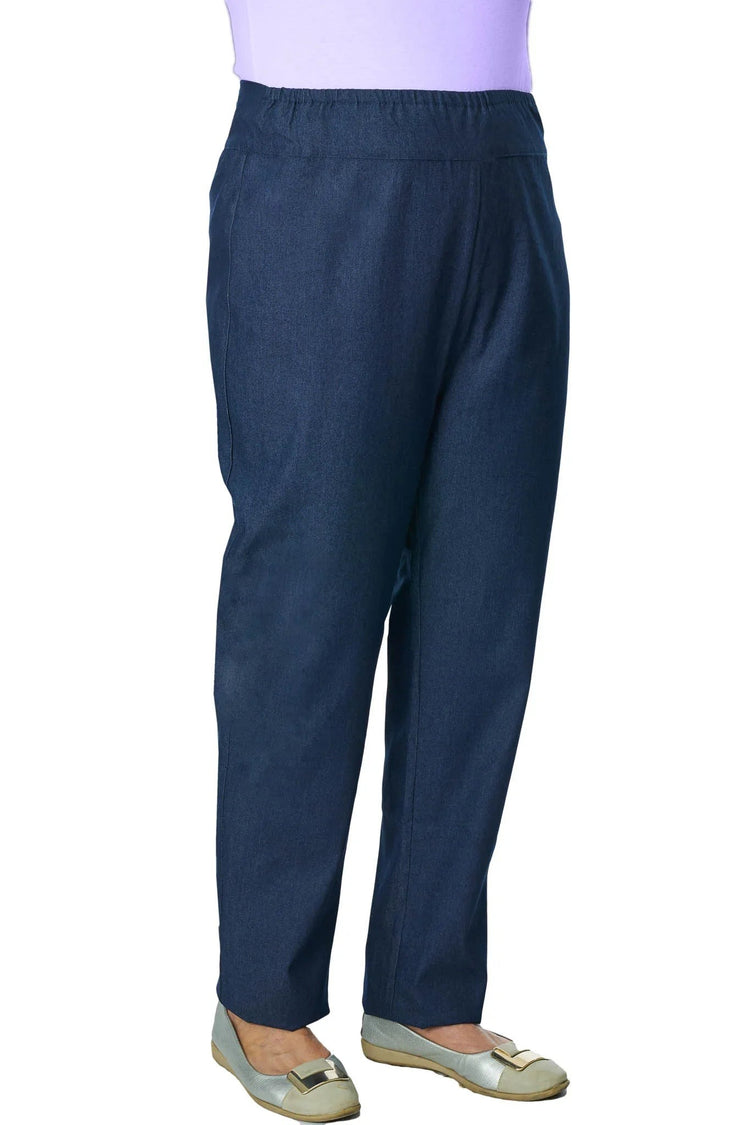
Women’s Back-Panel Assisted Dressing Jeans
The Women’s Back-Panel Assisted Dressing Jeans are designed specifically for comfort and accessibility during dressing.
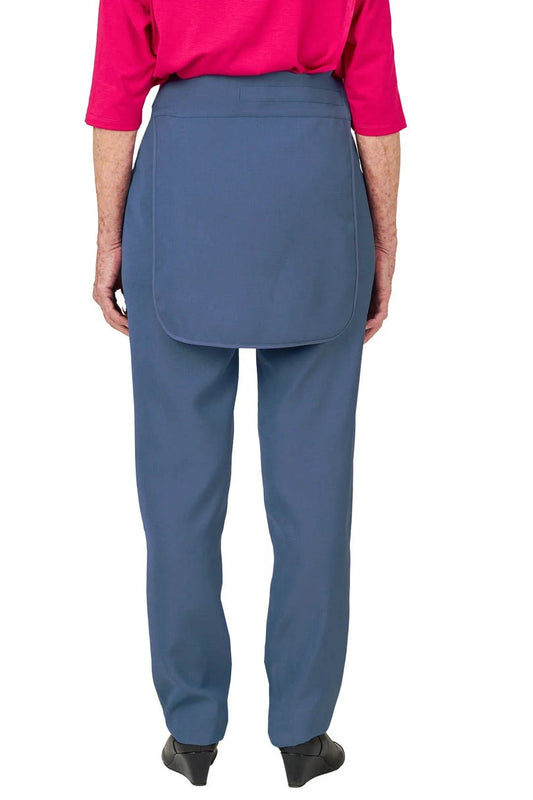
The innovative back-panel design allows for easier assisted dressing, reducing the need for bending, twisting, or pulling traditional jeans into place. This is especially helpful for individuals experiencing morning stiffness, joint pain, or limited mobility.
Despite their adaptive functionality, these jeans maintain a classic denim look, allowing wearers to feel stylish and confident while benefiting from improved accessibility. The design supports both independence and caregiver assistance, making morning routines smoother and more efficient.
Featured Product: Men’s Back-Overlap Assisted Dressing Stretch Knit Pants
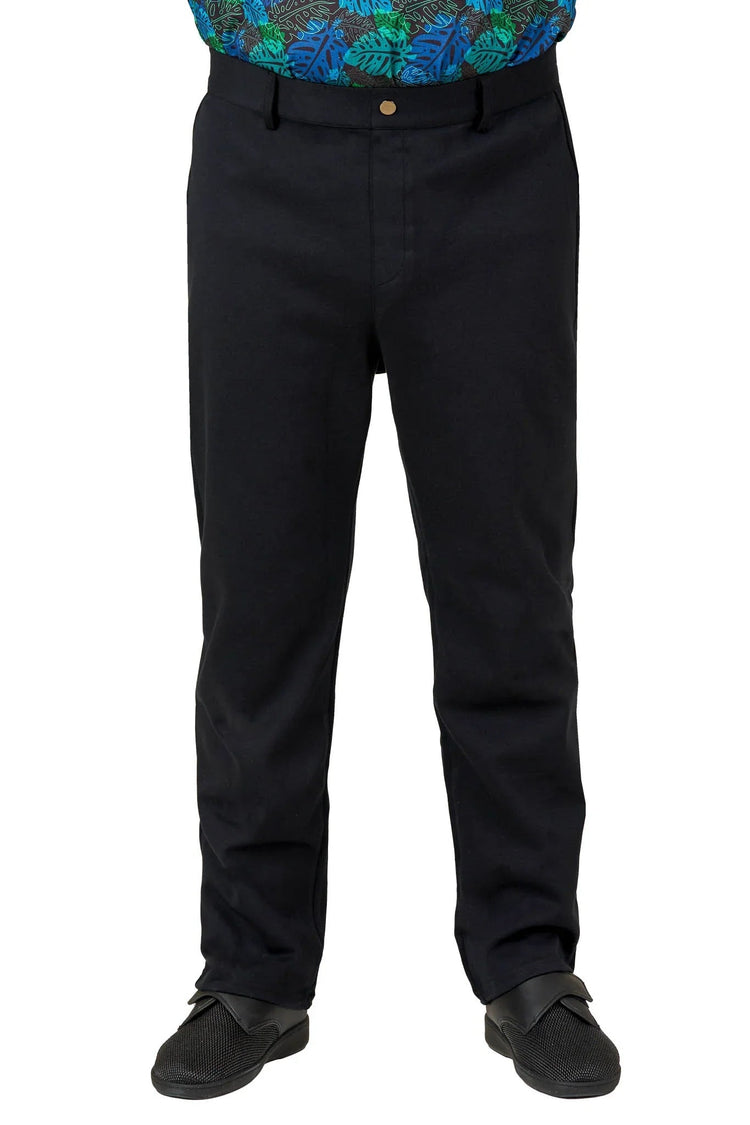
Men’s Back-Overlap Assisted Dressing Stretch Knit Pants
The Men’s Back-Overlap Assisted Dressing Stretch Knit Pants combine comfort-focused materials with an easy-access design that supports difficult mornings.
The back-overlap construction simplifies dressing by reducing the need for complex movement or forceful adjustments. The stretch knit fabric provides flexibility and softness, making these pants comfortable for all-day wear, especially during periods of stiffness or low energy.
These pants are ideal for individuals who want a balance of comfort, ease of dressing, and a casual everyday style. They support both independence and caregiver-assisted dressing without sacrificing appearance or practicality.
Making Morning Dressing Less Stressful for Caregivers
Difficult mornings often involve caregiver support, whether from family members or professional caregivers. Adaptive clothing can significantly reduce the physical and emotional strain involved in assisting with dressing.
Instead of lifting, pulling, or repositioning the wearer repeatedly, caregivers can use simplified access points and flexible designs that make dressing more efficient.
Caregiver-friendly benefits include:
-
Reduced physical strain during assistance.
-
Faster dressing routines.
-
Less discomfort for the wearer.
-
Improved communication and cooperation.
-
More calm and respectful morning experiences.
When dressing becomes easier, the entire morning routine feels less stressful for everyone involved.
Comfort as a Foundation for the Day
The way a morning begins can influence the entire day. When dressing is painful or frustrating, it can affect mood, motivation, and overall well-being.
Comfort-focused clothing helps set a more positive tone by reducing unnecessary stress and physical discomfort. Soft fabrics, flexible fits, and accessible designs allow individuals to start their day feeling more supported and at ease.
Comfort is not just about clothing—it is about creating a better daily experience.
Supporting Independence During Difficult Moments
Even when mornings are challenging, maintaining independence remains important for dignity and confidence. Adaptive clothing helps individuals stay involved in their own care to the greatest extent possible.
By reducing barriers, adaptive designs allow wearers to participate in dressing routines rather than feeling limited by them.
This sense of involvement can make a meaningful emotional difference, reinforcing confidence and autonomy.
Choosing the Right Adaptive Clothing for Morning Use
When selecting adaptive clothing for difficult mornings, it is important to consider both physical needs and personal preferences.
Helpful factors to consider include:
-
Level of mobility in the morning.
-
Need for caregiver assistance.
-
Fabric softness and stretch.
-
Ease of dressing and undressing.
-
Fit comfort during stiffness or swelling.
-
Style preferences for everyday wear.
The best adaptive clothing feels supportive without feeling clinical or restrictive.
Creating Easier, More Comfortable Mornings
Mornings do not have to feel overwhelming or exhausting. With the right clothing choices, it is possible to reduce physical strain, improve comfort, and make daily routines more manageable.
Adaptive clothing like the Women’s Back-Panel Assisted Dressing Jeans and Men’s Back-Overlap Assisted Dressing Stretch Knit Pants demonstrates how thoughtful design can transform a difficult part of the day into a more comfortable and dignified experience.
When clothing works with the body instead of against it, mornings become less of a challenge and more of a manageable, supported start to the day.
If you enjoyed this blog, please sign up to the June Adaptive Newsletter below to receive more updates! Share your experience in our 5-minute survey to inform our new adaptive apparel launch. Get a chance to win a $50 gift card Link here