Getting dressed is one of the most personal parts of anyone's day, and for people living with a disability, chronic illness, or the physical changes that come with aging, it can also be one of the most quietly difficult. Adaptive clothing exists to make that daily ritual easier, more dignified, and more joyful, but introducing it to a loved one is not always a straightforward conversation. Feelings of pride, identity, and independence are all wrapped up in the clothes we choose, and that makes this topic worth approaching with real care and thoughtfulness. At June Adaptive, we believe that the right conversation, handled with empathy and honesty, can open doors to a more comfortable and confident daily life for the people you care about most.
Starting Conversations Without Shame or Stigma
The first thing to understand before starting any conversation about adaptive clothing is that resistance is normal and usually has nothing to do with the clothing itself. Research on adaptive apparel has consistently found that stigma, identity, and impression management are central concerns for people with disabilities when it comes to clothing choices. In other words, what a person wears is deeply connected to how they see themselves and how they believe others see them. Any conversation that does not acknowledge that reality is going to feel tone-deaf, no matter how well-intentioned.
The good news is that reframing the conversation away from limitation and toward possibility makes an enormous difference. Rather than opening with what your loved one can no longer do easily, lead with what adaptive clothing makes possible. Language matters more than most people realize in these moments. Phrases like "I found something that might make mornings easier" land very differently than "I think you need special clothes now." The first invites curiosity. The second can feel like a verdict.
Timing also matters. Raising the topic in a calm, private moment, rather than immediately after a difficult dressing experience or a frustrating morning, gives the conversation a much better chance of being received well. People are more open to new ideas when they are not already in a heightened emotional state. If you can tie the conversation to a specific positive, such as a product you genuinely found interesting or a style you thought they might like, even better. You are starting a discussion, not delivering a diagnosis.
Here are a few conversation-starting approaches that tend to work well:
-
Lead with curiosity, not conclusions. Try something like: "I came across some clothing designed to be easier to put on and take off. Would you be open to looking at some options together?" This positions adaptive clothing as something worth exploring, not something being imposed.
-
Use your own experience as an entry point. If you have ever struggled with a stiff zipper, a button that popped at the worst moment, or a waistband that dug in all day, sharing that experience humanizes the conversation and reminds your loved one that easier-to-wear clothing is something most people would appreciate, not just those with disabilities.
-
Bring it up in the context of comfort, not capability. Framing adaptive clothing as a comfort upgrade rather than a disability accommodation removes a significant amount of the emotional charge from the conversation before it even begins.
Introducing Adaptive Options as Upgrades, Not "Giving Up"
One of the most common fears people have when adaptive clothing is first introduced is that accepting it means admitting defeat. For many individuals, especially those who have recently experienced a change in ability due to illness, injury, or aging, the idea of switching to different clothing can feel like crossing a threshold they are not ready to cross. That fear deserves to be taken seriously and addressed directly rather than minimized.
The framing of "upgrade" is not just a semantic trick. It is genuinely accurate. Adaptive clothing does not sacrifice style for functionality. People have a variety of fashionable designs, colors, and styles to choose from, ensuring that they can express their personal style while enjoying the benefits of adaptive features. Magnetic closures replace buttons not because buttons are bad, but because magnets are faster, easier, and just as clean-looking. Side-opening pants are not "disability pants." They are pants that work better for a wider range of bodies and situations.
It also helps to draw on the broader cultural shift happening in fashion right now. Adaptive clothing effectively combines practicality with aesthetics, offering stylish yet functional garments. Major retailers including Nike, Tommy Hilfiger, and Target have all launched adaptive clothing lines in recent years, not as charity initiatives but as fashion lines designed to look current and feel great. This is not niche. It is the direction the whole industry is moving.
When you frame adaptive clothing as part of that larger story, the conversation shifts from "you need something different" to "this is what smart clothing looks like now." That shift matters enormously for how the message is received.
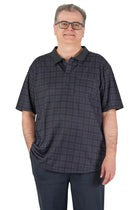
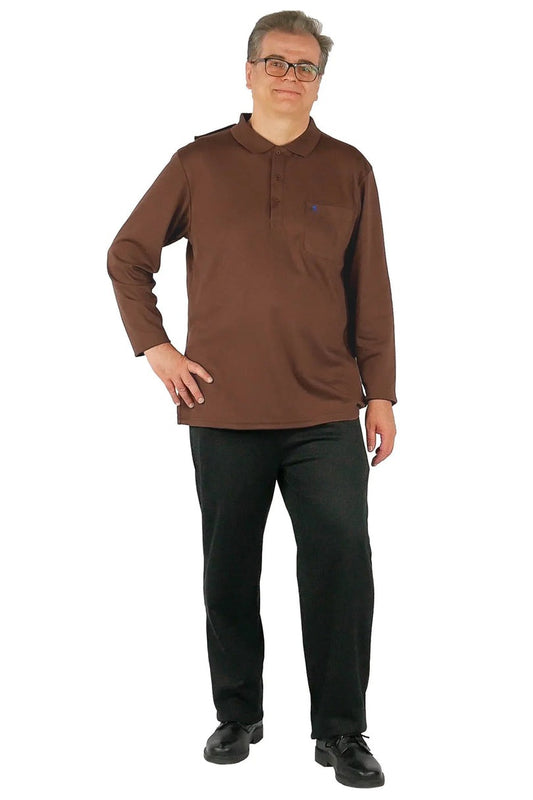
June Adaptive's magnetic closure shirts and side-opening adaptive pants are a perfect example of this philosophy in action, combining clean, modern styling with features that make getting dressed faster, easier, and fully independent.

Women’s Side-Opening Easy Dressing Elastic Waist Pants

Men’s Adaptive Back-Opening Bamboo Sport Shirt

Men’s Back-Overlap Assisted Dressing Twill Pants
Involving Loved Ones in Picking Styles and Colors
Nothing communicates respect quite like asking someone for their opinion. When it comes to adaptive clothing, involving your loved one in the selection process from the very beginning is one of the most effective ways to make the transition feel empowering rather than imposed. A thoughtful approach to dressing prioritizes comfort, independence, and clear communication: involve your care recipient and let them choose colors and styles to maintain autonomy.
This matters for reasons that go deeper than preference. Adaptive clothing promotes dignity and comfort for both the senior and the caregiver. Seniors feel more in control and less reliant on others, preserving their self-esteem and personal privacy. When a person has genuine agency over what they wear, including the color of a shirt, the cut of a pair of pants, or the style of a pair of shoes, they are more likely to wear the items consistently, feel good in them, and associate adaptive clothing with positive experience rather than loss.
Here is what meaningful involvement in the selection process looks like:
-
Browse together rather than presenting a fait accompli. Sitting down to look at options side by side, whether online or in a store, makes the experience collaborative instead of prescriptive. Let your loved one point out what they like and what they do not before any decisions are made.
-
Focus on what they already love. If your loved one has always gravitated toward a particular color, silhouette, or fabric, use that as your starting point. Adaptive clothing that reflects someone's existing personal style will feel like an extension of their identity, not a replacement for it.
-
Let "no" be a real option. Giving someone genuine choice means accepting that they may not want what you have found, at least not right away. Letting the conversation stay open without pressure is more likely to result in a yes eventually than pushing for an immediate decision.
Navigating Resistance to Change with Empathy
Even the most thoughtfully started conversation can meet resistance, and that is okay. Resistance is not the end of the conversation. It is a signal that there is something worth listening to beneath the surface.
Relying on someone else to get dressed can feel infantilizing and humiliating, but with adaptive clothing, many people with mobility challenges or disabilities can get fully dressed on their own, increasing their self-esteem and helping them preserve their independence. Understanding that fear of dependence is often what is driving resistance can help you respond to what your loved one is actually feeling rather than just the words they are saying.
When someone says "I do not want to wear that kind of clothing," what they often mean is "I am not ready to accept that my body has changed" or "I am afraid of what this says about me." Meeting those feelings with empathy rather than logic gives the conversation somewhere to go. You do not have to solve the fear in one sitting. You just have to make it clear that you hear it and that you are not asking them to give up who they are.
A shift towards more inclusive language and messaging is needed in how adaptive clothing is discussed, and that starts in conversations between family members and loved ones. Words like "adaptive," "accessible," and "easy-care" are more neutral and forward-looking than older terms that carried clinical connotations. Using updated, respectful language signals that you see adaptive clothing the way it actually is: a thoughtful design choice, not a medical concession.
Patience is the most important tool in this part of the conversation. Research consistently shows that people are more likely to adopt new products and behaviors when they feel the decision is their own. Planting the seed and giving your loved one time to come to adaptive clothing on their own timeline is almost always more effective than pushing for a quick decision. You can revisit the conversation gently over time, keep sharing things you find interesting, and let the idea grow naturally.
Celebrating Small Wins When New Clothing Actually Helps
When your loved one does try adaptive clothing and it helps, that moment deserves to be acknowledged. Not with a dramatic celebration that might feel patronizing, but with the kind of genuine, warm recognition that any positive change in someone's daily life warrants.
Adaptive clothing empowers seniors to dress and undress themselves, promoting a sense of independence and self-esteem. This independence can be crucial for maintaining a positive outlook on life and mental well-being. When that independence is restored, even partially, it can have a meaningful ripple effect on mood, confidence, and engagement in daily life. Noticing that effect out loud and sharing in the positive experience reinforces that the change was worth making.
Small wins worth celebrating might include a morning routine that took half the time it used to, a garment that made a physical therapy session more comfortable, or simply a day where your loved one got dressed without frustration or needing to ask for help. Each of those moments is significant, and saying so matters.
Here is how to acknowledge those wins in a way that feels affirming rather than condescending:
-
Keep it specific and genuine. "You got ready so much faster this morning" or "You look really comfortable in that" is more meaningful than a generic "See, I told you it would work." Specificity signals that you are actually paying attention.
-
Let them lead the evaluation. Ask open questions rather than delivering verdicts. "How did it feel to wear today?" invites your loved one to share their own experience and claim the success as theirs, which it is.
-
Use wins as a foundation, not a finish line. A positive experience with one adaptive garment opens the door to exploring more. Let the momentum build naturally, keeping the conversation going in the same collaborative spirit it started with.
At June Adaptive, every product we design is built around the belief that getting dressed should be a source of confidence, not a source of frustration. Our magnetic closure shirts, side-opening adaptive pants, and easy-access tops are designed to help people feel like themselves, not like they have compromised on who they are. The right clothing for the right person is never a step back. It is always a step forward.
The conversation you have with your loved one about adaptive clothing may not be perfect the first time, and that is fine. What matters is that you have it with honesty, warmth, and a genuine respect for their experience. That foundation is what makes everything else possible.
If you enjoyed this blog, please sign up to the June Adaptive Newsletter below to receive more updates! Share your experience in our 5-minute survey to inform our new adaptive apparel launch. Get a chance to win a $50 gift card Link here