For too long, the consumer packaged goods industry treated accessibility as a charitable gesture rather than a sound business decision. That framing has not only been unfair to the more than 61 million Americans living with a disability, but it has also left enormous economic opportunity on the table. The data is now clear: brands that design inclusively grow faster, retain customers more effectively, and earn a level of community trust that no marketing budget can manufacture. At June Adaptive, we have built our entire mission on the belief that inclusion and innovation belong together, and the broader CPG industry is finally catching up.
Defining Accessible CPG in Today's Retail Landscape
Consumer packaged goods cover everything from shampoo and lotion to clothing, food packaging, and household products. These are the everyday items that most of us interact with multiple times a day without giving them a second thought. For people with disabilities, though, those same products can present real and frustrating barriers: a lid that requires grip strength they do not have, a label printed in a font too small to read, packaging that cannot be opened with one hand, or a bottle that slips from arthritic fingers.
Accessible CPG design means intentionally removing those barriers. It is not about creating a separate "disability product line" and marketing it as a niche category. It is about building usability, clarity, and physical inclusivity into the design of everyday products from the very beginning, so that the same moisturizer, the same pasta sauce, the same pair of pants works for the widest possible range of people. That is the principle behind universal design, and it is rapidly becoming the new standard that forward-thinking CPG brands are measuring themselves against.
What makes this moment in particular so significant is the convergence of consumer demand, regulatory pressure, and competitive dynamics. The CPG market was valued at more than $2.5 trillion globally in 2024, and the brands that are finding sustainable growth within that crowded landscape are the ones leaning into differentiation. Accessible design is one of the clearest and most underutilized differentiators available.
At June Adaptive, that commitment to inclusion is built into every product we offer, from our magnetic closure shirts designed for one-hand dressing to our side-opening adaptive pants that make getting dressed simpler and more dignified for people with mobility challenges.
Take a closer look at some of our accessibility friendly clothing items:

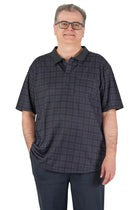
Women's Easy-Access Open-Back Keyhole Opening Shirt for Assisted Dressing

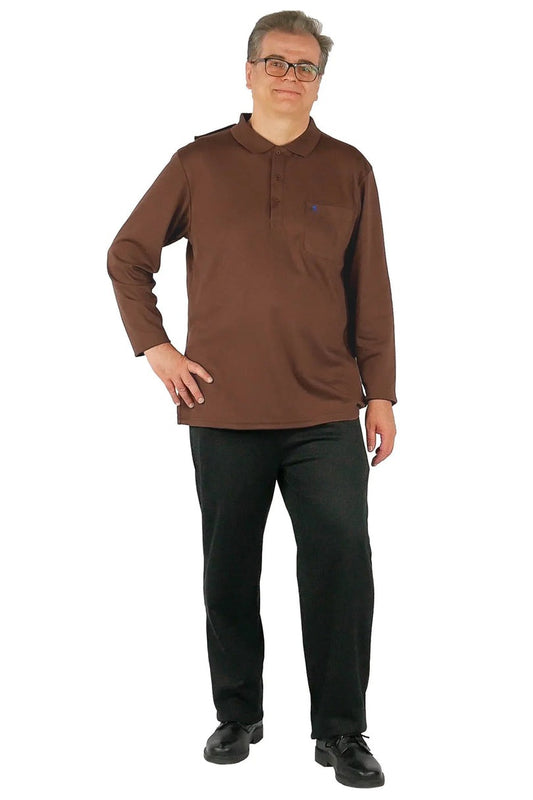
Men’s Adaptive Long Sleeve Back-Opening Jacquard Polo Shirt

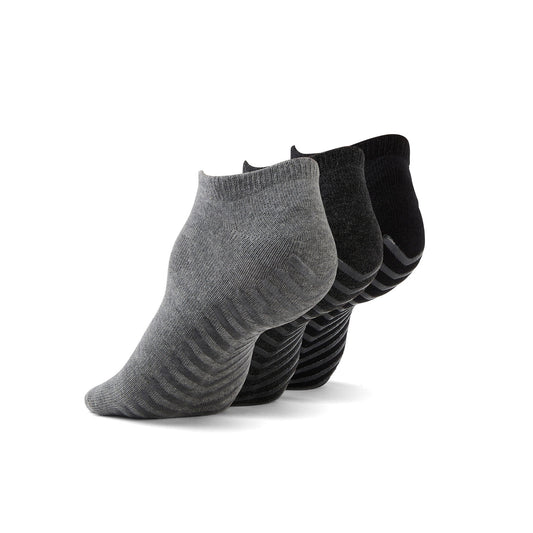
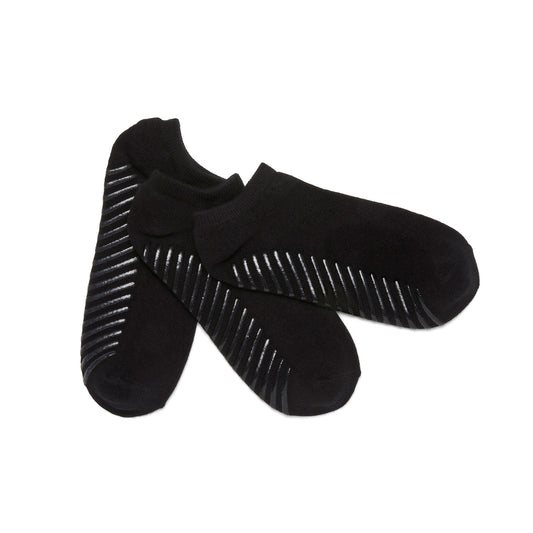
Comfort Calf Crew Anti-Slip Socks
Here is how accessible CPG design shows up in practice:
-
Physical packaging improvements. Easy-open lids, ergonomic grip surfaces, magnetic closures, larger font labels, braille embossing, and single-hand-operable dispensers are among the most common and impactful physical design changes brands are implementing.
-
Digital accessibility alongside physical products. A product's website, app, and online shopping experience must be as accessible as the product itself. Screen reader compatibility, high-contrast display modes, and keyboard-only navigation are no longer optional features for brands that want to serve the full market.
-
Inclusive formulation and sensory considerations. Accessible CPG also encompasses products designed for people with sensory sensitivities, skin conditions exacerbated by common ingredients, or dietary needs driven by health conditions. Designing with these consumers in mind expands a product's reach rather than limiting it.
Market Size and Purchasing Power of People with Disabilities
Here is the number that should get every CPG executive's attention: according to the American Institutes for Research, working-age Americans with disabilities have approximately $490 billion in annual after-tax disposable income. That places the disability market in the same tier as African American ($501 billion) and Hispanic ($582 billion) consumer markets, both of which CPG brands actively and explicitly court.
But the purchasing power of the disability community does not stop with the individuals themselves. Nielsen reports that the extended influence of U.S. disabled consumers, including their families, friends, and advocates who make purchasing decisions based on a brand's accessibility track record, represents a market worth more than $1 trillion. Globally, the World Economic Forum estimates that people with disabilities and their families together account for approximately $13 trillion in annual spending power.
These numbers matter because they reframe the conversation entirely. Accessible CPG is not about serving a small or niche market as an act of goodwill. It is about competing intelligently for a massive, loyal, and chronically underserved consumer base. And the current competition for that market is startlingly low: research cited by Spate and Happi found that only about 4% of beauty and personal care brands currently design with disabled consumers in mind, and 95.1% of disabled consumers say there are not enough accessible options available to them.
That is not a ceiling. That is an open door.
How Accessible Design Reduces Return Rates and Complaints
One of the most practical and often overlooked financial benefits of accessible design is its direct impact on product returns and customer service complaints. When a product is genuinely easy to use, including by people with limited dexterity, low vision, or cognitive differences, it performs better across the entire user base. And better performance means fewer returns, fewer complaints, and lower operational costs.
Think about it from a product design perspective. A lid that someone with arthritis can open is almost certainly a lid that someone carrying groceries, wearing gloves, or simply in a hurry can also open more easily. A label printed in a clear, legible font benefits anyone reading in low light or on a small screen. An ergonomic dispenser reduces hand fatigue for everyone, not just for someone managing chronic pain. This is the curb-cut effect in consumer goods: accessibility improvements designed for one group end up benefiting everyone.
The financial case extends beyond returns. The World Economic Forum notes that companies prioritizing accessibility can significantly reduce the cost of redesigns and modifications that become necessary when accessibility is treated as an afterthought rather than a design principle. Integrating accessibility early in product development is substantially more cost-effective than retrofitting it later. And when products work as intended for the full range of users, customer service volume drops because people are not calling to report usability problems.
A 2022 Forrester report, cited by the American Marketing Association, estimated a $100 return for every dollar invested in accessibility, a figure that accounts for reduced legal risk, increased customer retention, improved brand reputation, and lower operational friction. That is not a charitable outcome. That is a return on investment that most CPG brands would be delighted to show in any other category.
Brand Loyalty and Word-of-Mouth in Disability Communities
In any consumer category, loyalty is hard to earn and easy to lose. In the disability community, loyalty carries a particular quality that CPG brands are only beginning to understand: it is deeply relational and powerfully networked.
Nielsen's research on inclusive marketing found that 63% of disabled individuals say they would consider switching to a new brand if their current brand fails to align with the causes they care about. That is not just brand preference. That is active, conscious purchasing behavior tied directly to how a brand treats their community. The same research found that 52% of consumers with disabilities expect brands to actively support causes aligned with their values. Accessibility is not a peripheral concern for this consumer group. It is central to how they evaluate who deserves their business.
What makes this particularly valuable for CPG brands is the network effect. People with disabilities share information about what works and what does not with a thoroughness and consistency that most brands cannot achieve through paid marketing. Research from the Valuable 500, an organization representing more than 500 global businesses committed to disability inclusion, confirms that friends and family of disabled individuals demonstrate brand loyalty to companies that are disability-friendly. A single positive experience with an accessible product does not stay with one customer. It travels through disability communities, caregiver networks, occupational therapy practices, online forums, and social media channels.
The inverse is equally true. When a brand fails the accessibility test, whether through packaging that cannot be opened, a website that does not work with a screen reader, or marketing that excludes disabled representation, that failure is also shared. A 2024 survey found that 92% of general consumers are more likely to support companies that actively hire and support individuals with disabilities, according to the World Economic Forum. The reputational stakes for getting accessibility wrong extend far beyond the disability community.
Here is what brand loyalty in disability communities looks like in practice:
-
Organic advocacy. When a product works well for someone with a disability, they tell others. Disability communities have robust networks online and off, and recommendations travel fast when they come from a trusted source with firsthand experience.
-
Community credibility. Earning the trust of disability communities requires authenticity and consistency. Brands that engage the community in the design process and then deliver on that commitment earn a credibility that cannot be bought with a marketing campaign.
-
Extended household influence. Purchasing decisions within households that include a family member with a disability are frequently shaped by accessibility. A brand that serves one family member well becomes the default choice for the entire household across multiple product categories.
Measuring ROI on Accessibility Investments
One of the most persistent barriers to accessible CPG design is not willingness. It is measurement. Executives who champion accessibility often struggle to quantify the return in terms that resonate in a boardroom, and that gap has allowed accessibility to be deprioritized in favor of investments with clearer short-term metrics.
The data for making that case is now more robust than it has ever been. The 2025 SeeMe Inclusivity Index for Beauty, which analyzed over 100 U.S. brands across identity dimensions including visible disability, found that certified inclusive brands grew three percentage points faster than their less inclusive competitors for the second consecutive year. Spate's Future of Beauty report found that inclusive beauty brands grew 1.5 times faster than less inclusive competitors in 2024. These are not outliers. They reflect a durable pattern that is showing up across consumer categories.
Beyond growth rates, the ROI of accessibility investments can be measured across several dimensions that CPG brands already track:
-
Return rate reduction. Tracking returns specifically for products with accessibility improvements against previous versions or comparable products without them can establish a direct financial link between accessible design and operational savings.
-
Customer lifetime value. Disabled consumers who find a brand that genuinely works for them tend to become long-term repeat customers. Tracking lifetime value for customers who self-identify accessibility as a purchasing factor can illustrate the retention benefit of inclusive design in dollar terms.
-
Net Promoter Score by segment. Measuring how likely disabled customers are to recommend a brand provides a leading indicator of the word-of-mouth value described earlier. High NPS scores within disability communities often predict outsized organic growth because of the networked nature of community recommendations.
-
Market share in an underserved category. When 95% of a potential market says existing options do not meet their needs, a brand that credibly addresses those needs is not competing for share of an existing market. It is creating a new one. Framing accessibility investment as category creation rather than market share capture changes the financial conversation entirely.
The brands that will define the next decade of CPG growth are the ones that recognize accessible design as a strategic investment rather than a cost center. The disability community is not a niche. It is a $490 billion market of loyal, discerning consumers who have been waiting for brands to show up. The business case is not just compelling. At this point, it is hard to argue against.
Why June Adaptive Believes This Matters Beyond the Numbers
At June Adaptive, we have always known that the numbers tell only part of the story. The real story is the person who can finally get dressed without help because a magnetic closure replaced a button. The customer who can open their skincare product without pain because someone thought carefully about grip and resistance. The shopper who feels seen, for once, in a brand's marketing because the model looks like them and uses products designed with their experience in mind.
The business case for accessible CPG is real, documented, and growing stronger every year. But the reason June Adaptive continues to invest in it is simpler than any ROI calculation: it is the right way to build products, and it is the right way to treat people. When inclusive design becomes the default rather than the exception in consumer packaged goods, everyone benefits. That is the future we are working toward, one product and one community at a time.
If you enjoyed this blog, please sign up to the June Adaptive Newsletter below to receive more updates! Share your experience in our 5-minute survey to inform our new adaptive apparel launch. Get a chance to win a $50 gift card Link here