Written by: Hannah Martin
⏳5 minutes of your time could win you a $50 gift card! 🎉Help us design our new adaptive apparel launch by sharing your experience. 👕 Link Here 👈
Introduction
The beauty industry LOVES to talk about what's inside the bottle, but here's something most brands don't mention: sometimes the real innovation isn't the product itself. It's how you open it. For millions of people, those "little" design details? They're actually pretty huge. That's where magnetic closures come in… and trust me, they're way cooler than they sound.
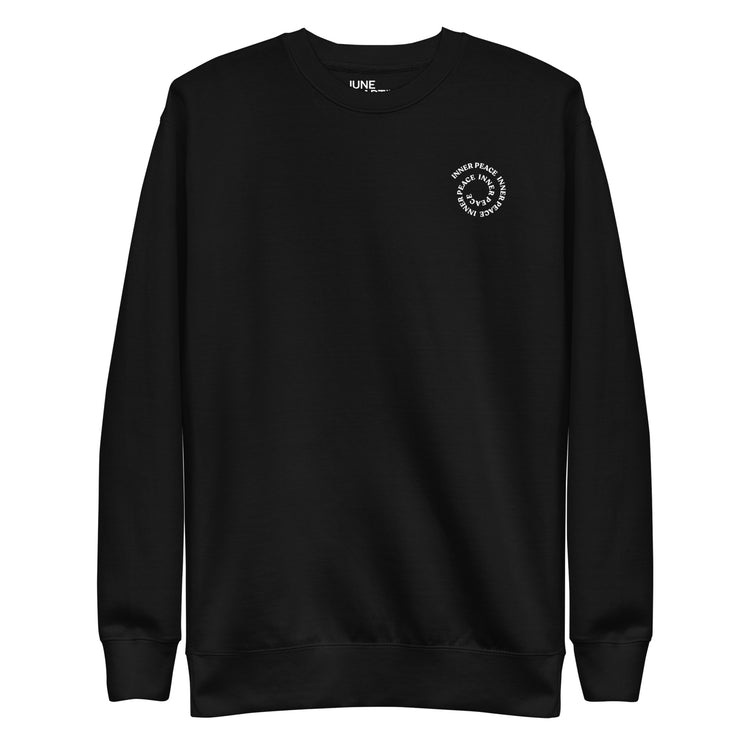
Inner Peace Gender Neutral Crewneck Sweatshirt
Engineering behind magnetic closure systems
Okay, so magnetic closures might not sound all that cool at first, but stick with me here. The engineering is actually fascinating.
Here's the magic: Tiny magnets! Usually made from neodymium or ferrite, are embedded into the packaging. When you bring the lid close to the container, the magnets do their thing, and boom, they snap together. No twisting, no fumbling, no accidentally launching your favorite lipstick across the bathroom floor (we’ve all been there, right?).
But it's not as simple as slapping a couple of magnets in there and calling it a day. Packaging engineers have to nail the perfect balance. The magnetic force (measured in newtons, if you want to get technical) needs to be strong enough to keep the product sealed during shipping, but gentle enough that it is easy to open without a wrestling match.
Different products need different magnetic setups:
-
Single-point contact magnets work great for lipstick caps and compact cases, super simple and effective.
-
Multi-point systems handle heavier packaging, like jars or refillable containers that need extra security.
-
Layered magnetic rings let you close the package from any angle. No more trying to line things up perfectly with shaky hands.
Many brands also pair magnets with soft silicone or elastomer gaskets to create an airtight seal, which keeps your skincare formulas fresh. And here's a bonus: unlike screw caps, you can't cross-thread a magnetic closure or accidentally over-tighten it (both things that can be painful for people with arthritis)
Reduced grip strength requirements compared to traditional closures
Let's talk about what traditional packaging actually demands from your hands. Most closures require a combination of pinching, gripping, and twisting. All movements can range from uncomfortable to downright impossible if you're dealing with arthritis in your hands or fingers.
Magnetic closures? They've changed the game.
Here's a number that tells the story: opening a standard cosmetic jar can require up to 2.5 to 3 newton-meters of torque. A magnetic jar can reduce that by as much as 70%. Instead of all that twisting effort, you just lift or pull. That's it.
This is life-changing for people living with:
-
Rheumatoid arthritis
-
Osteoarthritis
-
Psoriatic arthritis and other chronic pain conditions that mess with fine motor control
But here's what I love most about magnetic closures, they feel intuitive. When the magnets connect, you hear and feel that satisfying "click." It's not just practical, it's reassuring. You know the product is closed properly, which is especially helpful if you have reduced dexterity or visual impairments.
Think about how this transforms a daily routine. Instead of dreading that moment when you have to twist open your serum (and maybe drop it), the product practically opens itself. You're in control. You're independent. You can enjoy your skincare ritual without the struggle.
That shift from frustration to ease? That's dignity. That's what good design should truly feel like.
Arthritis Foundation Ease of Use Certification standards
When you see the Arthritis Foundation's Ease of Use® Certification seal on a product, it means something. It's not just marketing fluff; it's proof that the product has been tested by experts and, more importantly, by people who actually live with arthritis.
To earn that seal, products go through rigorous human factors testing that looks at:
-
How much grip strength and range of motion do you need to open and close the packaging
-
Whether the surface texture and design prevent hand strain
-
If there's good visibility and tactile feedback
-
Whether the product is consistent and safe, with no more accidental spills or leaks
Magnetic closures have been crushing it in these tests. Why? Because they require so little physical effort, and they align themselves. Unlike pump dispensers that you have to press over and over, magnets just... work!
What's really encouraging is that the certification process is pushing brands to think about accessibility from day one, not as an afterthought. This is the same shift we've seen in cars and electronics, where inclusive design is now a quality standard, not a nice-to-have extra.
For consumers, that seal means you can trust the brand actually cares about making products everyone can use. Not just products that everyone can buy.

Restore Yourself Gender Neutral Crewneck Sweatshirt
Brands implementing magnetic closures in accessible product lines
Good news: some major beauty brands are finally getting it! Magnetic closures started as a luxury design element, but they're quickly becoming a sign that a brand takes inclusive design seriously.
Let's look at who's leading the charge:
-
Estée Lauder was ahead of the curve with their Pure Color lipsticks, which feature magnetized caps. The magnets ensure a secure close every single time, meaning no precise alignment is needed and no pressure is required. It's a small change that makes a massive difference for anyone with limited dexterity.
-
Fenty Beauty has embraced magnetic systems in their refillable lipsticks and compacts. And can we talk about how satisfying that magnetic "click" is? It's not just functional, it's an emotional cue that tells you, "Yes, this is secured. You're good."
-
Rare Beauty has been refreshingly open about accessibility challenges in the industry. Their design teams focus on ergonomic shapes and have committed to exploring more magnetic solutions in future packaging to help users dealing with arthritis and tremors.
-
Independent innovators like Element Packaging and Quadpack are experimenting with magnetized jar lids and magnet-assisted refill cartridges for skincare. Many of these companies work directly with accessibility consultants to keep inclusivity at the center of their design process.
Here's what's really exciting: accessibility and luxury aren't opposites anymore. For too long, adaptive packaging looked medical and utilitarian, prioritizing function over form. Magnetic closures prove you can have both. Beautiful design that works for everyone? That's the future.
And consumers are noticing. People want brands that design with compassion, knowing that the packaging of their products acknowledges every hand that will hold it, regardless of ability.
Beyond beauty: magnetic closures in other personal care categories
The best part? This magnetic revolution isn't stopping at makeup and skincare. The same smart design principles are spreading to all kinds of personal care products.
Here's where magnetic closures are popping up:
- Fragrance: Magnetic caps on perfume bottles and diffusers maintain that airtight seal while allowing easy, one-handed operation. No more struggling with tight-fitting stoppers.
- Haircare: Brands are testing magnetic pumps and jar lids for hair masks and treatments. This is especially helpful in the shower, where wet hands and slippery bottles are already a challenge.
-
Men's Grooming: Shave balms and beard oils are getting magnetic lids, proving that accessibility doesn't have to compromise that sleek, masculine aesthetic guys love.
- Wellness and supplements: Magnetic closures are being explored for pill containers and CBD balms, perfect for anyone dealing with joint pain or limited hand movement.
The beauty of magnetic systems (pun intended) is that they're seamlessly accessible. Unlike other adaptive features (think big buttons or squeeze triggers) that practically announce "this is for people with disabilities", magnets just look... normal. Elegant, even.
This is what we call universal design: design that benefits everyone. Sure, it's essential for people with arthritis, but it's also amazing for parents juggling a baby, older adults, anyone with a temporary injury, or literally anyone who's ever opened a product with wet hands.
When accessibility becomes convenient for all, everybody wins.
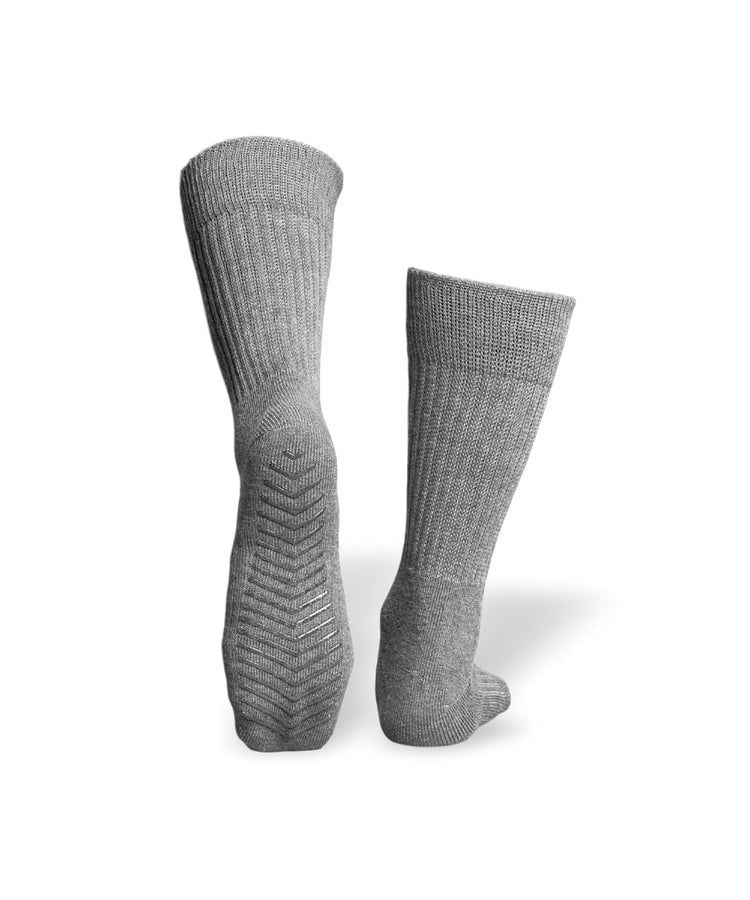
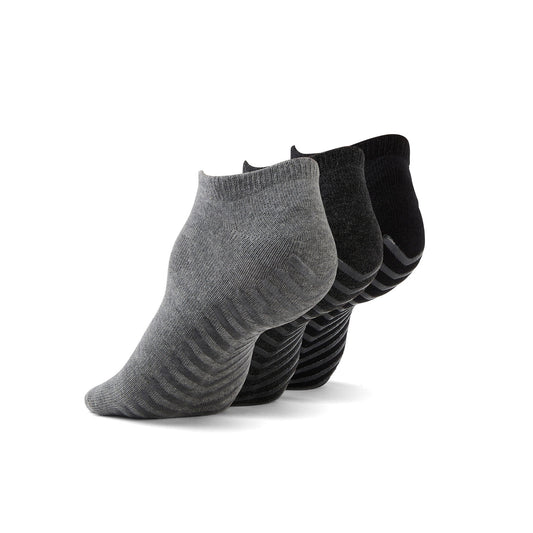
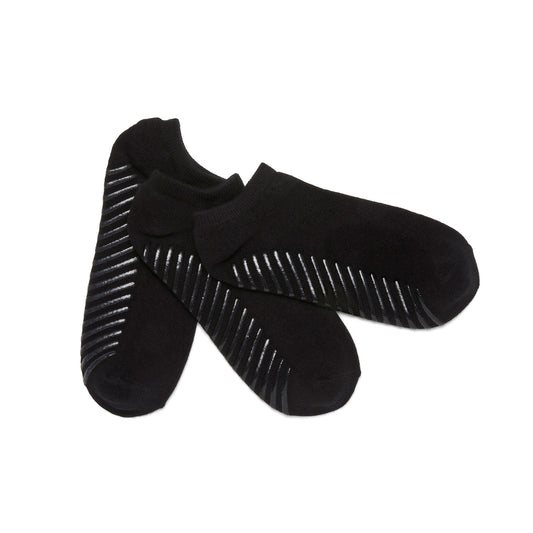
Diabetic Anti-Slip Socks 3 Pack
The quiet power of accessible innovation
In an industry obsessed with the next big thing, it's easy to overlook how much a simple lid redesign can matter. But for someone living with arthritis, being able to independently apply their lipstick or moisturize their hands isn't just convenient, it's meaningful.
Magnetic closures represent something bigger than a packaging trend. Their empathy is built into everyday objects. They eliminate struggle, reduce pain, and restore autonomy; all while looking beautiful and working flawlessly.
As more brands adopt these systems, we're getting closer to a world where accessibility isn't a special feature you request. It's just how things are made. It's the default.
And honestly? That's the real beauty of this magnetic moment we're having.
If you enjoyed this blog, please sign up to the June Adaptive Newsletter below to receive more updates!
Share your experience in our 5-minute survey to inform our new adaptive apparel launch. Get a chance to win a $50 gift card Link here