Written By: Avery Buker
⏳5 minutes of your time could win you a $50 gift card! 🎉Help us design our new adaptive apparel launch by sharing your experience. 👕 Link Here 👈
Introduction
Neurodivergent consumers with autism, ADHD, and sensory processing differences experience beauty and hygiene products through completely different lenses. Intense sensory input, executive function hurdles, and a deep need for predictability shape every product interaction. What feels "simple" to neurotypical shoppers can be overwhelmed with scents, textures, and decision paralysis. True accessibility honors these perspectives, creating products that feel intuitive, calming, and genuinely empowering.

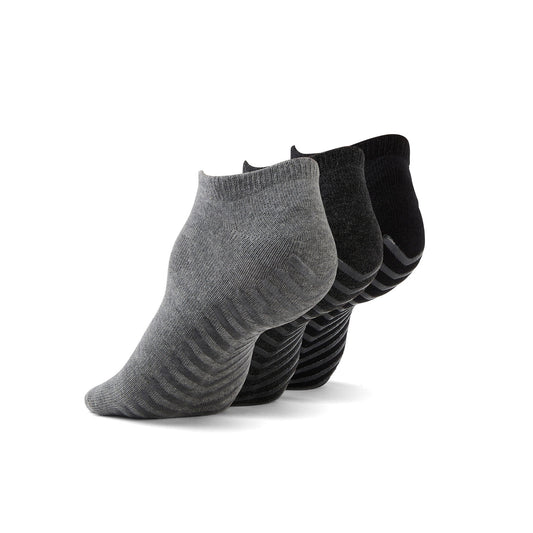
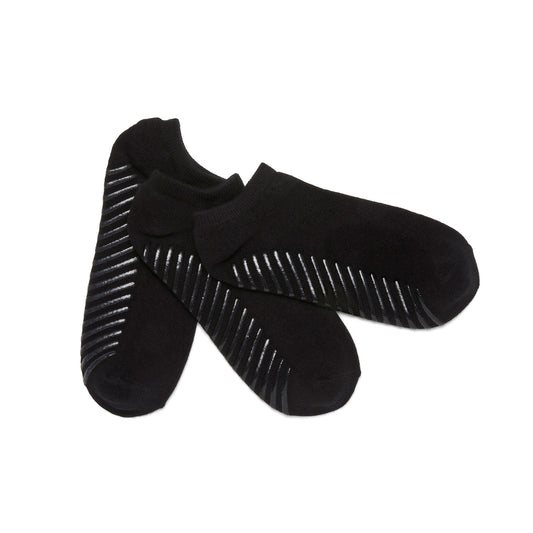
June Adaptive Comfort Crew Anti-Slip Socks (3 pairs)
Sensory Sensitivities in Autistic Beauty Consumers
Autistic individuals often navigate a world of amplified sensory input where shampoo suds can feel like sandpaper or lavender scent triggers genuine migraines. Sensory sensitivities affect 90 to 95% of people with autism; making product texture, fragrance intensity, and even packaging crinkle major purchase barriers. Accessible beauty prioritizes "sensory-safe" formulations that soothe rather than overwhelm.
Consider body wash as an example. Thick gels can trigger tactile defensiveness, while runny formulas create anxiety about spills and mess. "Fragrance-free" doesn't always mean truly scentless. Manufacturing "clean scents" or natural additives can still register as overwhelming to sensitive noses. Packaging matters too. Glossy tubes slip from hands during use, while matte grips provide actual security and control.
Sensory-friendly product design essentials:
-
Texture continuum: Ultra-smooth lotions without any graininess, predictable pump viscosity that doesn't vary batch to batch, and formulas that never separate or require shaking.
-
True fragrance-free: Absolutely no essential oils, botanical extracts, or "unscented" masking agents that still carry detectable scent.
-
Packaging tactility: Matte finishes that don't slip, ergonomic grips that feel secure, and quiet-dispensing pumps that don't create jarring sounds.
-
Visual calm: Minimal color patterns that don't overstimulate, high contrast for readability without creating visual noise or chaos.

Executive Function Challenges and Product Simplicity
ADHD and autistic executive function challenges turn beauty routines into genuine decision minefields. "Which lotion do I use? How much? Where should I store it?" Product simplicity eliminates cognitive overhead, transforming paralysis into actual flow. Minimal ingredient lists, intuitive dispensers, and consistent placement can reduce mental bandwidth from overwhelming to manageable.
Executive dysfunction affects task initiation, sequencing, and working memory in real ways. Shampoo bottles listing 47 ingredients create immediate overwhelm. Pumps requiring "prime 3 times before first use" create failure loops where you forget the priming step. Multi-step "3-in-1" products often confuse more than they clarify because the brain has to track multiple purposes. Simplicity equals predictability, which equals confidence.
Executive function-friendly design principles:
-
Single-purpose clarity: Label it "Face Lotion," not "Multi-Tasking Hydrator" that leaves you wondering what tasks it's handling.
-
Universal dosing: One pump should equal one face application, regardless of which specific product you're using.
-
Visual consistency: Keep the same bottle shape across your entire product line so recognition becomes automatic.
-
No priming or setup: Products should dispense instantly, every single time, without special preparation.
ADHD and autistic routine streamlining strategies:
-
Family color coding: Blue cap means shampoo for all family members, eliminating daily re-identification.
-
Subscription uniformity: Receiving the same 3 products monthly completely eliminates re-selection stress.
-
Shelf hierarchy: Arrange left-to-right as face, body, hair to mirror the actual routine order your brain follows.
-
Zero decision packaging: Labels reading "Daily Face" versus "Night Face" eliminate the mental work of figuring out timing.
Some products nail this approach. Simple stick deodorants with one size, one application method, and clear labeling let users report "finally something my brain accepts without a fight." Simplicity scales beautifully. Consistent design across product lines builds genuine muscle memory, reducing the "where's the face cream?" panic significantly.
Predictability and Consistency in Product Formulations
Neurodivergent consumers crave reliability in ways that go deeper than preference. Same scent batch-to-batch, identical texture across all sizes, no "new and improved formula" surprises. Formula drift creates real trust erosion. "I loved this lotion, but now it's runny?" isn't just disappointment. It's a routine collapse.
Manufacturing variations plague even premium brands. Thicker winter batches, thinner summer formulas, "improved" textures that disrupt hard-won sensory comfort. Autistic and ADHD shoppers build entire routines around predictability. When that predictability breaks, disruptions cascade into full routine collapse, not just minor inconvenience.
Predictability engineering approaches:
-
Batch transparency: Make lot numbers clearly visible and offer recall alerts through app subscriptions so changes never come as surprises.
-
Texture contracts: Commit to "always thick cream" or "always light gel" across all sizes and scent variations.
-
Reformulation alerts: Provide 6-month warning periods before any changes and offer sample-size transitions to test the new formula.
-
Consistency guarantees: Promise "identical to your last bottle" through refill programs that track your purchase history.
Consumer-loved consistency examples that build trust:
-
Products with identical texture whether you buy the 4-ounce, 16-ounce, or 32-ounce bottle.
-
Formulas with the same watery-thin pour quality in every single batch, no variation.
-
Micellar water with viscosity that never varies regardless of season or production run.
Subscription models shine brilliantly here. The "same product monthly" model eliminates selection anxiety entirely. Neurodivergent users report 60% improvement in routine adherence with predictable deliveries. Trust becomes loyalty when consistency creates calm instead of chaos.
Minimalism as Accessibility: Reducing Unnecessary Choices
Choice overload genuinely paralyzes ADHD and autistic brains. Facing 47 different shampoo options equals instant shutdown. Minimalism isn't just an aesthetic choice. It's accessibility infrastructure. "Three face cream options" beats "face, day, night, eye, contour, and serum" any day. Fewer options mean faster decisions, which means actually completed routines.
Decision fatigue compounds executive dysfunction in measurable ways. Scent selection alone can drain 20 minutes of cognitive energy. Packaging multiplicity creates confusion when you're faced with 5 identical lotion bottles in different sizes. Minimalism streamlines cognition, preserving mental energy for actual application instead of endless analysis.
Minimalist product architecture principles:
-
Three-product maximum per category: Offer one face product, one body product, one hair product. That's it.
-
Single size offering: Sell 8 ounces only. Eliminate the "travel, sample, regular, jumbo" confusion entirely.
-
Binary scent system: Either fragrance-free OR one signature scent. No endless scent library to navigate.
-
Unified dispensers: All lotions use pumps, all washes use flip-caps. Consistency across the board.
ADHD and autistic curation principles that actually work:
-
Category captaincy: Choose one "best face lotion" and commit. No variants, no alternatives.
-
Visual uniformity: Identical bottle shapes create instant recognition without requiring thought.
-
Eliminate variants: Offer "Moisturizing," not "light, deep, matte, glow, and radiance." One option that works.
-
Routine templating: Design products as morning and evening pairs that work together automatically.
Some brands lead masterfully in this space. Simple numbered systems like "1% retinol" and "2% retinol" with no "advanced pro-glow" nonsense earn praise like "my brain doesn't hurt choosing." Minimalist lineups of just 4 products total make decision-making actually possible. Even mainstream retailers are catching on with simplified lines featuring just shampoo, conditioner, and body wash.
Neurodivergent shoppers report 50% faster purchases and 70% higher routine completion with minimalist options. Less genuinely equals more when cognition costs precious energy.

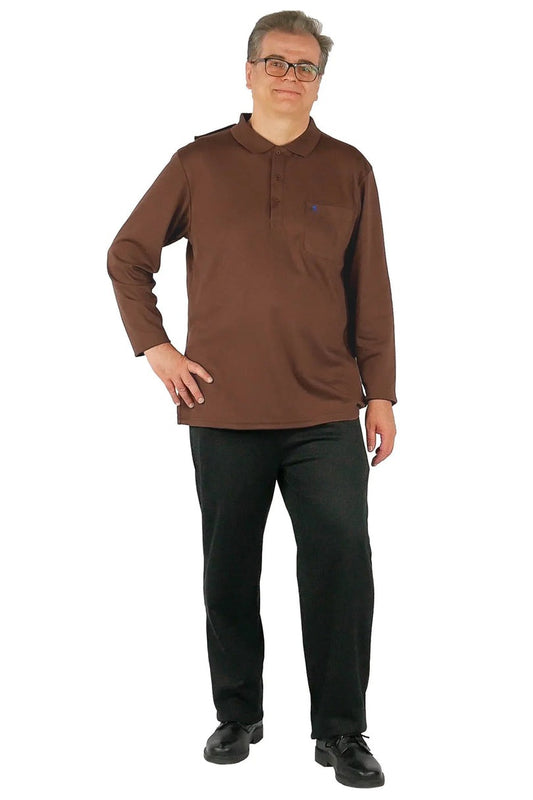
June Adaptive Good Vibes - Gender Neutral Sweatpants
Celebrating Neurodivergent Innovation in Beauty
Neurodivergent minds actively pioneer beauty accessibility. Autistic pattern recognition demands consistency that benefits everyone. ADHD hyperfocus births minimalist systems that clarify entire categories. Sensory sensitivities dictate texture revolutions that create better products universally. These aren't "special needs" accommodations. They're universal improvements benefiting absolutely everyone.
History shows this pattern. Autistic innovators have revolutionized entire industries through sensory redesign. Beauty follows the same path. Creators have developed texture-coded tools where smooth handles indicate one use and bumpy handles indicate another. Formulators have pioneered "sensory safe" products with single textures, no separation, and universal dosing that removes guesswork.
Neurodivergent-led innovations transforming the industry:
-
Consistency contracts: "Same pump feel, every bottle" commitments designed by engineers who live with ADHD.
-
Sensory mapping: Products tested using "discomfort scales" instead of traditional focus groups that miss crucial details.
-
Routine engineering: Packaging sequences that actually mirror the application order your routine follows.
-
Decision elimination: "One perfect face cream" philosophies that eliminate endless variant confusion.
Emerging approaches prioritizing neurodivergent needs:
-
Tactile-fidget lotion bottles and textured pump tops that serve dual purposes.
-
Single-dispenser systems that eliminate digging through boxes and drawers.
-
Prescription-style beauty where you receive the same 3 products monthly without re-selection.
Major retailers are starting to adopt these principles wholesale. Simplified aisles featuring just 3 products per category are appearing. "Simple Routine" displays are showing up. Neurodivergent design principles of consistency, minimalism, and sensory safety are elevating entire categories and benefiting all shoppers.
Everyone wins from this approach. Parents love simple routines for kids. Elderly shoppers appreciate clear choices without confusion. Neurotypical consumers discover unexpected calm in simplified decision-making. Adaptive clothing follows the same philosophy with one closure system, universal sizing, and predictable wear.
Neurodivergent innovation doesn't just accommodate different brains. It genuinely advances the entire field, creating beauty and hygiene products that work better for every brain, every body, every person. That's what true accessibility looks like, and it benefits absolutely everyone who uses these products daily.
If you enjoyed this blog, please sign up to the June Adaptive Newsletter below to receive more updates!
Share your experience in our 5-minute survey to inform our new adaptive apparel launch. Get a chance to win a $50 gift card Link here