Written by Samantha Jafar
⏳5 minutes of your time could win you a $50 gift card! 🎉Help us design our new adaptive apparel launch by sharing your experience. 👕 Link Here 👈
Introduction
Showering with one hand does not have to feel like a battle. With the right products, small adjustments, and a routine that works with your body instead of against it, bathing can become safer, easier, and far more independent. This is not about perfection or speed. It is about finding tools and habits that help you feel clean, comfortable, and confident without relying on someone else every time you shower.

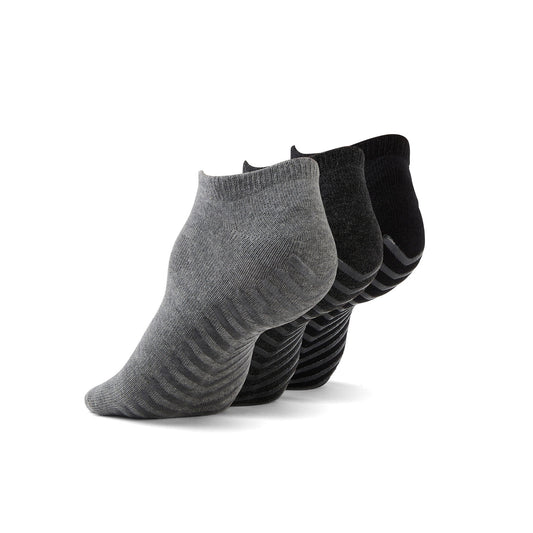
Kid's Pink Multi Anti-Slip Socks (4 pairs)
Body wash formats that work with one hand (pump vs. squeeze)
One of the biggest pain points in one-handed showering is soap. Most body wash bottles are designed for two hands and good grip strength. Squeeze bottles can be especially annoying when your hand is wet or weak. You end up dropping the bottle, wasting product, or struggling just to get enough soap out.
- Pump bottles
Pump bottles work much better for one-handed use. A pump can be pressed with the palm of your hand, the heel of your hand, your forearm, or even your elbow if gripping is difficult. Wall-mounted pump dispensers are even better because they stay in place and remove the need to hold anything at all. Once installed at a comfortable height, you can dispense soap with one simple motion.
- Body wash bars
Some people also prefer solid body wash bars instead of liquid soap. A large bar placed inside a mesh pouch or soap sock can be easier to control than a bottle. The pouch adds texture and grip, which reduces slipping and makes it easier to lather without squeezing. This can be especially helpful if finger strength is limited.
The key is choosing a format that does not require twisting, pinching, or sustained pressure. The less effort it takes to get soap, the more energy you have left for actually washing.
Shower mitts and accessories improve grip and application
Once you have soap, the next challenge is spreading it over your body. Traditional loofahs and sponges are often hard to hold with one hand, especially when wet. This is where adaptive shower accessories really shine.
- Shower mitts
Shower mitts are one of the most useful tools for one-handed bathing. You slip your hand inside the mitt, apply soap directly onto it, and wash without needing to grip anything. Many mitts have textured or silicone surfaces that help distribute soap evenly and provide gentle exfoliation without extra effort. Because the mitt stays on your hand, you do not have to worry about dropping it mid-shower.
- Scrubbers/Sponges
Long-handled scrubbers and sponges are also extremely helpful. They allow you to wash your back, legs, and feet without bending, twisting, or overstretching. Some have angled or flexible handles that adapt to your movement rather than forcing your body into uncomfortable positions. These tools are especially useful for people who have limited shoulder mobility in addition to hand or arm limitations.
Grip-friendly accessories often have thicker handles, rubberized coatings, or loops that slide over the wrist. These design details might seem small, but they can make a huge difference in how safe and manageable showering feels.
Positioning products for easy reach without bending excessively
Product choice matters, but placement matters just as much. Even the best adaptive tools become frustrating if they are stored too high, too low, or too far away.
Keeping everything within easy reach reduces strain and risk of slipping. Soap, shampoo, and washing tools should be stored at chest or waist height whenever possible. Shower shelves, suction cup caddies, or built-in niches can be positioned so you do not have to bend down or reach overhead.
- Shower chairs/benches
Shower chairs or benches are another major help for one-handed routines. Sitting while showering provides stability and allows you to focus on washing rather than balancing. A chair also makes it easier to use long-handled tools and handheld showerheads without rushing. For people who tire easily or have pain, sitting can turn showering from an exhausting task into a manageable one.
- Handheld showerheads
Handheld showerheads are almost essential for one-handed showering. Instead of moving your body under the water, you bring the water to you. This gives you control over where the water goes and makes rinsing much easier, especially when seated. Adjustable height mounts allow you to customize positioning without constant readjustment.
- Non-slip mats/grab bars
Non-slip mats and grab bars also play an important role. They reduce the mental stress of worrying about falls, which allows you to move more confidently and focus on your routine instead of your safety.
Temperature-safe materials for people with sensory processing differences
Showering is not only a physical experience. It is also sensory. For people with sensory processing differences, nerve injuries, or chronic pain, water temperature and texture can be overwhelming.
- Temperature-safe materials
Hot water can feel painful instead of soothing, and cold water can feel shocking. Temperature-safe materials help reduce these risks. Some grab bars, handles, and dispensers are designed to stay cool to the touch even when exposed to hot water. This reduces the chance of accidental burns or discomfort.
- Softer Tools
Soft silicone shower mitts, brushes, and scrubbers tend to be gentler on sensitive skin than stiff bristles or rough sponges. They provide enough friction to clean effectively without overstimulating the skin. Many people find that foam or mesh materials feel more predictable and calming than rough textures.
- Temperature
Temperature control is also important. Handheld showerheads with simple controls allow you to adjust water flow and temperature gradually instead of all at once. This gives your body time to adapt and reduces sensory shock.
Everyone experiences sensation differently, so there is no single perfect setup. The goal is to notice what feels safe and comfortable for you and build your routine around that.

Choose Balance - Gender Neutral Sweatshirt
Building confidence and independence in daily hygiene routines
Beyond physical comfort, adaptive shower routines are deeply connected to confidence and independence. Being able to wash your own body without help can protect your sense of autonomy and dignity. Even small improvements can have a big emotional impact.
Independence does not mean doing everything without assistance. It means having choices and control. Adaptive tools allow you to decide how and when you shower, at your own pace, in your own way. Over time, routines become familiar, movements become easier, and anxiety decreases.
It is normal for one-handed showering to take longer. That does not mean you are doing it wrong. Taking your time is part of working with your body rather than pushing against it. Confidence grows with repetition, and frustration usually decreases as your setup improves.

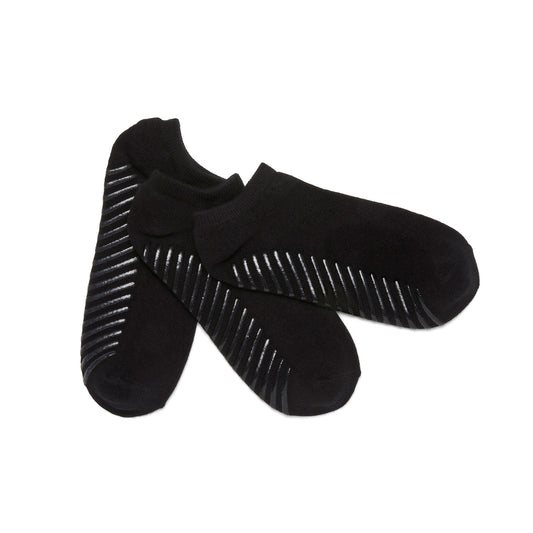
Diabetic Anti-Slip Socks (3 pairs)
Showering should not feel like something you dread. With the right products, thoughtful positioning, and attention to sensory needs, it can become a routine that supports your independence rather than undermines it.
Mental Load
Another thing that often gets overlooked is how much mental energy showering can take when you have an upper extremity disability. Even when the physical setup is good, anticipating what might go wrong can create stress. Will the bottle slip? Will the water get too hot? Will you lose balance reaching for something?
Adaptive routines are not just about reducing physical effort; they are about reducing cognitive load. When your shower is predictable and set up the same way every time, your body and mind can relax. Over time, that sense of predictability builds trust in your routine, and trust builds confidence. Showering stops being a task you brace yourself for and becomes something that fits naturally into your day.
Simple setup tips that make one-handed showering easier over time:
-
Keep your shower layout consistent so you do not have to search for items while wet or tired
-
Use refillable pump bottles so you are not constantly opening new containers
-
Choose products with minimal packaging and easy-to-open lids
-
Test water temperature with a less sensitive area of your body before fully stepping in
-
Let tools air-dry within reach so you are not bending or stretching after the shower
-
Replace items as soon as they start slipping or feeling unsafe instead of pushing through
Final Thoughts
One-handed showering can feel intimidating at first, especially when your body no longer moves or responds the way it used to. But adaptive shower routines are not about fixing your body. They are about adjusting your environment so it supports you. With the right products, thoughtful placement, and attention to comfort and sensory needs, showering can become safer, calmer, and more independent.
Progress may be gradual, and routines may change over time, but each small adjustment adds up. What matters most is building a setup that works for you, respects your limits, and helps you move through daily hygiene with confidence rather than stress.
Some points to remember:
-
One-handed showering is possible with the right tools and setup
-
Pump dispensers and solid soaps are often easier to use than squeeze bottles
-
Shower mitts and long-handled scrubbers improve grip and reach
-
Product placement reduces bending, stretching, and balance strain
-
Shower chairs and handheld showerheads support safety and comfort
-
Temperature-safe and soft materials help manage sensory sensitivity
-
Consistent routines reduce anxiety and mental effort
-
Independence is about choice, control, and dignity, not speed or perfection
-
Small adaptations can make a meaningful emotional and physical difference
If you enjoyed this blog, please sign up to the June Adaptive Newsletter below to receive more updates!
⏳5 minutes of your time could win you a $50 gift card! 🎉Help us design our new adaptive apparel launch by sharing your experience. 👕 Link Here 👈