Written by: Zuhair Augla
Photo by: Kelly Sikkema
Introduction
For millions of people living with upper extremity disabilities, the simple act of washing their face or applying moisturizer presents daily challenges that most never consider. Whether due to amputation, stroke, paralysis, arthritis, or conditions affecting hand strength and coordination, using both hands for personal care is not always possible. Yet the beauty and skincare industry has historically designed products with two fully functioning hands in mind, from twist-off caps that require significant grip strength to jars that demand coordinated scooping and application. The good news is that accessible design is gaining momentum, and understanding which products and techniques work best can transform a frustrating routine into an empowering act of self-care.
Magnetic Closures That Reduce Grip Strength Requirements
-
Magnetic closures are a promising accessible solution for people with limited grip or one hand, eliminating the frustration of tight screw caps and press mechanisms.
-
They use magnets that automatically align and snap shut, requiring only a simple, low-force lift or slide to open.
-
Beyond ease of use, magnetic closures are more hygienic, reducing the risk of contamination for users who rely on their mouth, teeth, or assistive devices to open containers.
-
While not yet common in skincare, accessibility retailers offer travel containers with magnetic lids, and cap adapters are another option.
-
This thoughtful design change demonstrates how small packaging modifications can significantly improve daily accessibility.
Pump Dispensers Versus Jars: Which Is Truly One-Hand Friendly
The debate between pump dispensers and jars is particularly relevant for people navigating skincare with one hand. While both formats have their advocates, the practical differences become stark when dexterity or hand function is limited.
-
Jar Packaging Challenges: Requires two hands or stabilization to unscrew/remove the lid, difficulty scooping product cleanly, and potential hygiene issues from repeated finger contact.
-
Pump Dispenser Advantages: Allows for one-handed activation (palm, side of hand, forearm), dispenses product directly, and often requires no grip strength if used on a countertop.
When evaluating pump products, consider testing them in store if possible, or look for reviews that specifically mention ease of dispensing. Products marketed for medical settings, such as hospital-grade hand sanitizers and lotions, often feature pumps designed for universal accessibility and can serve as benchmarks for good pump design.
Application Techniques for People with Limited Fine Motor Control
Having accessible packaging is only part of the equation. The actual application of skincare products also requires adaptation when fine motor control is limited. Traditional techniques that involve dabbing, patting, or precise spreading may not be practical, but effective alternatives exist.
For cleansers, consider products that do not require water activation or extensive lathering. Micellar waters applied with large cotton pads can be swiped across the face using broad arm movements rather than fine finger work. The Men's Pants with Side Zipper exemplify how thoughtful design can simplify daily tasks, and the same principle applies to choosing skincare formats that work with your body rather than against it.

Strategies for Thicker Products (Creams, Serums, and Gels)
-
Dispensing onto a Flat Surface: Thicker products like moisturizers, rich serums, and concentrated spot treatments should first be dispensed onto an easily accessible, flat, and sanitary surface. The back of the non-functional hand is an excellent palette, as is a small, clean dish, plate, or even a glass vanity tray. This eliminates the need to manage a tube or jar while simultaneously applying the product.
-
Broad, Sweeping Application: Once on the palette, the product can be picked up and spread using the flat palm or the back of the fingers of the functional hand. Employing broad, sweeping motions across large areas of the face (cheeks, forehead) is more efficient than small, intricate rubbing movements. The entire surface area of the palm can be used to cover significant ground quickly and evenly.
-
Direct Application and Spreading: For some, an even simpler method is to apply a dollop of product directly to one or two key points on the face (e.g., the center of the forehead and one cheek). The functional hand can then be used to spread the product outwards from these points using a flat palm or the back of the hand, minimizing the time the product needs to be held or maneuvered between the fingers.
Utilizing Assistive Devices for Enhanced Reach and Control
-
Specialized Applicators: The market offers a variety of assistive devices designed to make personal care easier. These can be particularly beneficial for those with limited range of motion.
-
Long-Handled Applicators: Tools with extended, ergonomic handles can dramatically extend reach, allowing the user to comfortably apply products to the neck, hairline, and other hard-to-reach areas without straining or twisting the body.
-
Specially Designed Brushes and Silicone Spatulas: Brushes with large, easy-to-grip handles or flexible silicone applicators can hold and spread product effectively. These tools reduce the need for precise fine motor movements, making the application of creams and foundations smoother and more consistent. The use of a tool substitutes the need for intricate finger dexterity.
Building a Minimalist, Accessible Skincare Routine
The foundation of a minimalist accessible routine typically includes three core products: a gentle cleanser, a moisturizer, and sun protection. These basics address the fundamental needs of keeping skin clean, hydrated, and protected from UV damage. For many people, this simple trio is sufficient for maintaining healthy skin without the complexity of multi-step regimens.
Choosing multi-purpose products can further reduce the number of steps required. Tinted moisturizers with SPF combine hydration, sun protection, and light coverage in a single product. Cleansing balms that remove makeup, sunscreen, and daily grime without requiring a second cleanse simplify the evening routine. Serums that address multiple concerns, such as hydration and brightening, eliminate the need to layer multiple treatments.
The Essential Skincare Regimen: A Foundation for Healthy Skin
A foundational skincare routine is crucial for maintaining the health, vitality, and appearance of your skin. It involves three core steps, each serving a distinct and essential purpose: Cleansing, Hydrating, and Protecting.
1. Gentle Cleanser: The Cornerstone of Clean Skin
-
Function: The primary role of a gentle cleanser is to meticulously remove impurities that accumulate on the skin throughout the day and night. This includes excess oil (sebum), dirt, makeup, environmental pollutants, and dead skin cells.
-
Mechanism: By breaking down the surface tension and encapsulating these unwanted substances, the cleanser allows them to be rinsed away with water.
-
Significance: Regular and effective cleansing prevents clogged pores, which are the root cause of blackheads, whiteheads, and acne breakouts. It also prepares the skin to better absorb the active ingredients in subsequent steps of the routine.
-
Best Practice: Use a gentle, pH-balanced formula that cleanses without stripping the skin of its natural moisture barrier, ensuring the skin remains balanced and non-irritated.
2. Moisturizer: Restoring Hydration and Barrier Function
-
Function: A moisturizer's main purpose is to hydrate the skin by attracting and sealing in water. It works to restore and fortify the skin's natural protective barrier (the stratum corneum).
-
Mechanism: Moisturizers typically contain a combination of humectants (e.g., hyaluronic acid, glycerin) which draw moisture into the skin, and emollients/occlusives (e.g., ceramides, oils) which create a seal on the skin's surface to prevent transepidermal water loss (TEWL).
-
Significance: Adequate hydration is essential for maintaining skin elasticity, smoothness, and a healthy glow. A strong skin barrier is vital for defending against external irritants, allergens, and pathogens, and for minimizing sensitivity and redness.
-
Best Practice: Apply moisturizer to damp skin to maximize absorption. The specific formulation (lotion, cream, gel) should be chosen based on individual skin type (oily, dry, combination) and climate.
3. Sun Protection (Sunscreen): The Ultimate Defense Against UV Damage
-
Function: Sun protection, in the form of a broad-spectrum sunscreen, is the most critical step for preventing premature aging and reducing the risk of skin cancer. It shields the skin from the harmful effects of ultraviolet (UV) radiation—specifically UVA and UVB rays.
-
Mechanism:
-
Chemical Sunscreens: Absorb UV radiation and convert it into heat, which is then released from the skin.
-
Physical (Mineral) Sunscreens: Contain active minerals (like zinc oxide or titanium dioxide) that sit on the skin's surface and physically block/reflect UV rays.
-
Significance: Consistent use of sunscreen is the single most effective measure against photoaging, which manifests as wrinkles, fine lines, dark spots (hyperpigmentation), and loss of firmness. It is mandatory, even on cloudy days or when spending time indoors near windows, as UV rays can penetrate glass.
-
Best Practice: Apply a broad-spectrum sunscreen with an SPF of 30 or higher liberally to all exposed skin every morning, and reapply every two hours when in direct sunlight or after swimming/sweating.
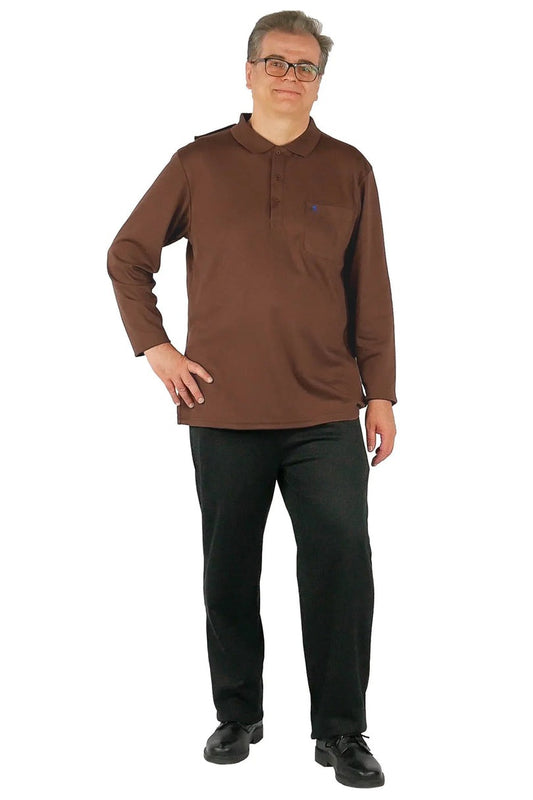
The physical layout of your skincare space also affects accessibility. Keeping products at counter height rather than in cabinets reduces reaching and bending. Non-slip mats under bottles prevent them from sliding during one-handed operation. Organizing products in the order they are used creates a logical flow that requires less decision-making and searching. The Recovery Pants with Side Snaps for Post-Surgery demonstrate how adaptive design considers the entire dressing experience, and similar thinking can be applied to organizing a skincare routine that accounts for physical limitations.
 Recovery Pants with Side Snaps for Post-Surgery
Consider the timing of your routine as well. If mornings are rushed or energy levels are lower at certain times of day, adjusting your skincare routine can make the process more manageable. Some people find that doing their full routine in the evening, when they have more time and energy, works better than splitting it between morning and night.
Brands Leading the Way in One-Handed Product Design
While truly universal design in skincare packaging remains relatively rare, several brands have made notable strides toward accessibility. These pioneers recognize that good design should work for everyone, regardless of physical ability, and they are creating products that prove accessibility and aesthetics can coexist.
-
Medical and Clinical Skincare Brands
-
Often lead in accessible packaging due to being designed for healthcare settings.
-
Packaging typically features pump bottles with easy-press mechanisms.
-
Products may come in squeeze tubes that dispense with minimal pressure.
-
They use flip-top caps that can be opened with one hand.
-
Mainstream Brands
-
Have started incorporating accessibility features, often in response to consumer feedback.
-
Look for brands that explicitly mention inclusive design.
-
These companies are more likely to have consulted disability advocates.
-
They consider factors such as cap tightness, label readability, and diverse dispensing mechanisms.
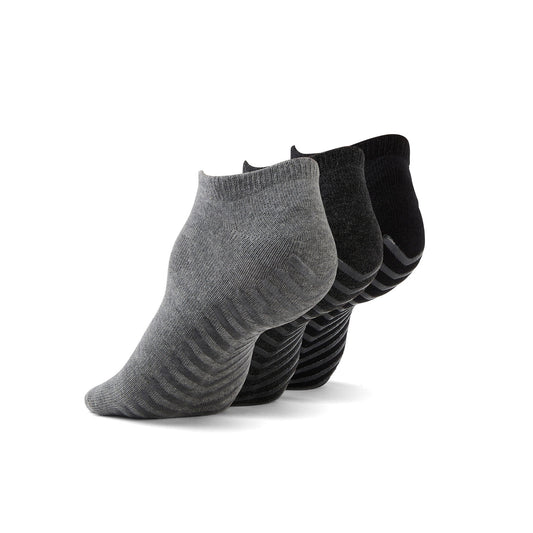
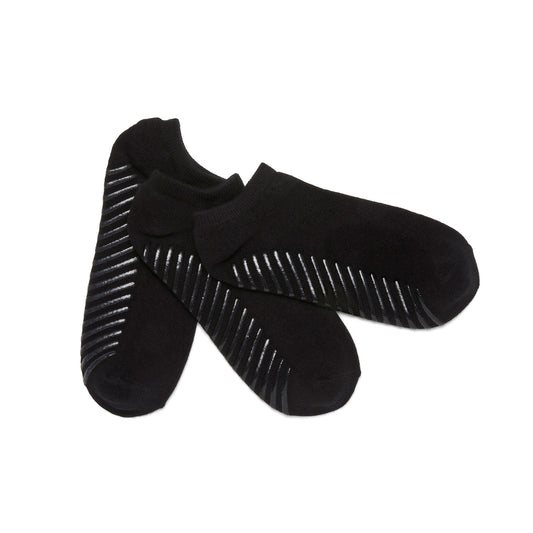
The adaptive fashion industry offers inspiration for what accessible skincare could become. Just as the Women's Wide Non-Slip Indoor Slippers combine ease of use with comfort and style, the best accessible skincare products will eventually offer the same combination of function and desirability. Consumers can accelerate this shift by providing feedback to brands about packaging challenges, supporting companies that prioritize accessibility, and sharing information about what works within disability communities.
 Women's Wide Non-Slip Indoor Slippers
The journey toward truly accessible skincare is ongoing, but progress is being made. By understanding which design features make products easier to use, advocating for better options, and adapting techniques to work with individual abilities, anyone can build a skincare routine that feels manageable and even enjoyable. Self-care should be accessible to everyone, and the choices we make as consumers can help shape an industry that recognizes and responds to the full diversity of human bodies and abilities.
Share your experience in our 5-minute survey to inform our first accessible hygiene line. Get a chance to win a $50 gift card. Take the Survey