pH Balance in Cleaners and Body Washes: Why It Matters More Than You Think
Written By: Shreeya Shah
⏳5 minutes of your time could win you a $50 gift card! 🎉Help us design our new adaptive apparel launch by sharing your experience. 👕 Link Here 👈
Most of us choose a body wash because it smells nice, feels creamy, or looks good in the shower. But for sensitive skin, the most important detail may be something you cannot see or smell: pH balance. The pH of a cleanser can influence how your skin barrier feels after washing, especially if you deal with dryness, eczema-prone skin, redness, or irritation. At June Adaptive, we believe comfort starts with everyday design, from what touches your skin to how easy a product is to use.
Normal skin pH and barrier function
Your skin is not neutral. Healthy skin is naturally slightly acidic, often described as having an “acid mantle.” This acidic surface helps support the skin barrier, which is the outermost protective layer that keeps moisture in and irritants out. Dermatology research has linked the skin’s acidic environment to barrier formation and antimicrobial defense, meaning pH is not just a cosmetic detail. It is part of how skin protects itself.
A simple way to think about the skin barrier is to picture a brick wall. The skin cells are the bricks, and the lipids between them are the mortar. When that wall is strong, skin usually feels calmer, smoother, and more comfortable. When it is disrupted, moisture escapes more easily, and irritants can sneak in.
That is when people may notice:
-
Dryness or tightness after showering: Your skin may feel “squeaky clean,” but that feeling can actually mean natural oils have been stripped away.
-
Stinging or burning after applying lotion: A weakened barrier can make even normal products feel uncomfortable.
-
More visible redness or reactivity: Skin that is already sensitive may respond more strongly to fragrance, scrubbing, hot water, or harsh cleansers.
This matters for everyone, but it can be especially important for people with disabilities, chronic illness, limited mobility, sensory sensitivities, or caregiver-supported routines. When bathing takes extra energy or assistance, the products used during that routine should support comfort, not create another problem to manage.
For June Adaptive, this idea connects directly to inclusive design. Soft fabrics, easy closures, tag-free clothing, seated-friendly fits, and gentle personal care routines all work toward the same goal: helping people feel comfortable in their bodies throughout the day.
How alkaline products damage sensitive skin
The pH scale runs from 0 to 14. Lower numbers are acidic, 7 is neutral, and higher numbers are alkaline. Many traditional soaps are alkaline, while the skin’s surface is naturally acidic. That mismatch can matter, especially when a product is used repeatedly.
Studies and dermatology reviews have found that elevated or alkaline pH can disrupt the skin barrier. One study found that repeated use of an alkaline skin care product impaired the skin barrier over a five-week period. Other skin barrier research has also emphasized that maintaining an acidic stratum corneum, the outermost layer of skin, is important for healthy barrier function.
This does not mean every soap is “bad” or that you need to panic about every cleanser in your bathroom. It means that people with sensitive, dry, eczema-prone, or aging skin may benefit from being more selective.
Alkaline cleansers can contribute to irritation because they may:
-
Strip natural oils: This can leave skin feeling dry, tight, or flaky.
-
Disrupt the acid mantle: When skin pH rises too much, the barrier may not function as smoothly.
-
Increase reactivity: Skin that has already been stressed by hot water, friction, weather, medical treatments, or frequent washing may become more sensitive.
This is why dermatologists often recommend gentle, non-abrasive, fragrance-free cleansers for people with sensitive or dry skin. The American Academy of Dermatology notes that harsh cleansing and scrubbing can irritate the skin, and it recommends fragrance-free products for sensitive or dry skin because fragrance ingredients can trigger irritation or allergic reactions.
Here is a relatable example: imagine getting out of the shower and feeling like your skin is one size too small. You reach for lotion, but it burns for a few seconds. That uncomfortable chain reaction may not be random. It could be a sign that your cleanser, water temperature, or washing routine is too harsh for your skin barrier.
For someone who uses adaptive clothing, compression garments, braces, mobility aids, or seated clothing for long periods, skin comfort is even more connected to daily function. Irritated skin can make seams feel sharper, waistbands feel tighter, and transfers or dressing routines more uncomfortable. Choosing a low-pH or pH-balanced body wash is one small step that may help reduce that friction.
Reading pH information on product labels
Here is the tricky part: pH is not always printed clearly on product labels. Some brands list “pH-balanced,” “low-pH,” “soap-free,” or “syndet cleanser,” but not every product gives an exact pH number.
A “syndet” cleanser is a synthetic detergent cleanser. That may sound less natural, but syndet cleansers are often formulated to be gentler and closer to the skin’s natural pH than traditional alkaline soaps. Many dermatologists recommend gentle cleansers rather than harsh soaps for sensitive or dry skin.
When reading labels, look for terms that suggest a gentler formula:
-
“pH-balanced” or “low-pH”
These terms suggest the product was designed with skin acidity in mind, though the exact pH may vary. -
“Soap-free”
This often means the cleanser is not a traditional alkaline soap. -
“Fragrance-free”
This is different from “unscented.” The American Academy of Dermatology explains that unscented products may still contain chemicals that mask odors, while fragrance-free is generally the better label to look for when avoiding irritation. -
“For sensitive skin” or “eczema-prone skin”
These labels can be helpful, especially when paired with credible seals or dermatologist testing.
The National Eczema Association offers a Seal of Acceptance program that helps people identify products suitable for eczema or sensitive skin needs. Its product directory includes cleansers and personal care products reviewed for sensitive skin considerations.
Still, labels are not perfect. A product can say “gentle” and still irritate your skin. A product can smell amazing and still be a poor fit for sensitive skin. The best approach is to combine label reading with personal observation.
Ask yourself:
-
Does my skin feel tight, itchy, or dry after using this cleanser?
-
Do I need lotion immediately just to feel normal again?
-
Does the product sting on areas that are already irritated?
-
Does the packaging make the routine harder than it needs to be?
That last question is easy to overlook. A body wash may have a great formula, but if the bottle is slippery, heavy, or difficult to squeeze, it may not be accessible. For people with arthritis, tremors, limited grip strength, low vision, fatigue, or one-handed use, packaging design is part of the product experience.
Accessible personal care should consider pump bottles, flip caps, larger text, stable containers, and formulas that rinse easily without requiring intense scrubbing. Just like adaptive clothing, good skincare design should reduce effort, not add to it.
Testing pH at home with simple tools
If you are curious about the pH of your cleanser or body wash, you can do a simple at-home test using pH strips. These are usually inexpensive and available online or in stores. They will not give you a laboratory-level result, but they can offer a general idea of whether a product is acidic, neutral, or alkaline.
Here is a simple way to test:
-
Use clean hands and a clean surface.
This helps avoid contaminating the sample. -
Mix a small amount of cleanser with water.
Many cleansers are tested as diluted solutions because they are used with water in real life. -
Dip the pH strip into the mixture and compare it to the color chart.
Read the result within the time window listed on the strip instructions. -
Treat the result as a rough guide, not a medical diagnosis.
pH strips vary in accuracy, and product formulas can be complex.
For sensitive skin, many people look for cleansers around the mildly acidic range, often near the skin’s natural pH. But the full formula matters too. A low-pH product can still irritate if it contains fragrance, harsh surfactants, essential oils, or ingredients your skin personally dislikes.
At-home testing can be especially useful if your skin reacts often and you are trying to identify patterns. Maybe every “squeaky clean” bar soap leaves you itchy. Maybe a fragrance-free, low-pH body wash leaves your skin calmer. Over time, these observations can help you build a more comfortable routine.
For people who rely on caregivers, this can also help with communication. Instead of saying, “This product bothers me, but I’m not sure why,” you may be able to say, “My skin seems to do better with fragrance-free, low-pH body washes.” That makes shopping, caregiving, and daily routines easier to coordinate.
Low-pH products preventing irritation and reactivity
Low-pH or pH-balanced cleansers are not about being trendy. They are about respecting the skin’s natural environment. When a cleanser is closer to the skin’s acidic surface, it may be less likely to disrupt the barrier compared with harsh alkaline products.
For sensitive skin, the goal is not to remove every trace of oil. The goal is to cleanse without over-cleansing. Your skin should feel clean, but not stripped. Comfortable, but not coated. Fresh, but not tight.
A good low-pH body wash or cleanser may help:
-
Reduce post-shower tightness
-
Support the skin barrier
-
Lower the chance of dryness-related itching
-
Make moisturizing feel more comfortable
-
Reduce the feeling of reactivity after washing
This matters even more when paired with clothing. After bathing, the skin is often more vulnerable because warm water and cleansing can temporarily change how the barrier feels. Putting on rough, tight, or difficult clothing immediately afterward may increase discomfort. Adaptive apparel can help by making dressing easier and gentler.
For example, someone with limited shoulder mobility may benefit from easy-open tops that do not require painful overhead movements. Someone with sensitive skin may appreciate soft fabrics and tag-free construction. Someone who uses a wheelchair may need seated-friendly pants that reduce pressure points. These design choices are not separate from skin comfort. They are part of it.
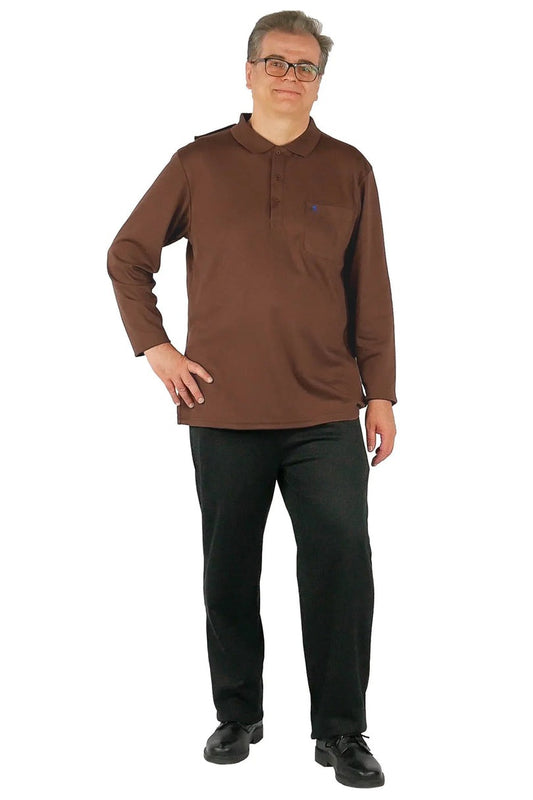
This is where June Adaptive’s mission comes in. Accessibility is not just ramps, grab bars, or medical equipment. It is also a softer waistband. A magnetic closure. A fabric that does not scratch. A personal care routine that does not leave skin irritated before the day even begins.
When choosing a body wash or cleanser, try building your routine around comfort:
-
Choose gentle, fragrance-free, low-pH or pH-balanced products when possible.
-
Use lukewarm water instead of very hot water.
-
Avoid aggressive scrubbing, especially with rough washcloths or exfoliating tools.
-
Moisturize soon after bathing to help support the skin barrier.
-
Wear soft, breathable, adaptive clothing that reduces friction and makes dressing easier.
Small changes can have a big impact. For someone with sensitive skin, switching from a harsh alkaline soap to a gentler body wash may reduce that uncomfortable tight feeling. For someone with mobility challenges, a pump bottle may make showering feel more independent. For someone with sensory sensitivities, a fragrance-free formula and soft clothing may make the whole day feel calmer.
Take a look at some of our wonderful products that ensure that comfort and accessibility is possible.

Women’s Adaptive Open-Back Tonal Knit Dress

Women's Easy-Access Open-Back Floral Snap Top

Men’s Back-Overlap Assisted Dressing Twill Pants
Final thoughts
pH balance may sound like a science-class detail, but it has real-life consequences. Your skin’s slightly acidic surface helps protect against dryness, irritation, and barrier disruption. When cleansers are too alkaline or too harsh, sensitive skin may become more reactive, especially with repeated use.
The good news is that you do not need a complicated routine to support your skin. Look for gentle, fragrance-free, pH-balanced products. Pay attention to how your skin feels after washing. Test products at home if you are curious. And remember that comfort continues after the shower, through the clothing, textures, and closures that touch your skin all day.
At June Adaptive, we believe inclusive design should make daily care easier, safer, and more comfortable. Whether it is a low-pH body wash, a soft adaptive shirt, or an easy dressing solution, the best products are the ones that work with your body, not against it.
If you enjoyed this blog, please sign up to the June Adaptive Newsletter below to receive more updates! Share your experience in our 5-minute survey to inform our new adaptive apparel launch. Get a chance to win a $50 gift card Link here