For people with autism, the world can often be overwhelming and unpredictable. Sensory sensitivities are a significant part of their daily experiences and can impact everything from how clothing feels on their skin to how they engage with their surroundings. In this blog post, we'll explore the importance of sensory comfort for individuals with autism and how adaptive clothing, particularly from June Adaptive, is positively influencing their comfort and overall well-being.
Understanding Sensory Sensitivity in Autism
Autism is a neurodevelopmental disorder that affects how individuals perceive and interact with the world around them. One key characteristic of autism is sensory sensitivity. People with autism can experience sensory information like touch, sound, smell, taste, and sight differently or more intensely compared to those without autism.
Sensory sensitivities can manifest in various ways. Some individuals with autism may be hypersensitive, meaning they are highly responsive to certain sensory stimuli. Others may be hyposensitive, meaning they have reduced sensitivity to certain sensations. These sensitivities can lead to discomfort, anxiety, and even meltdowns when exposed to overwhelming sensory input.
The Role of Clothing in Sensory Comfort
Clothing is a fundamental part of our daily lives, but for individuals with autism, it can cause distress due to sensory sensitivities. Many typical clothing items have seams, tags, or fabrics that can be irritating and uncomfortable. Tight waistbands or constrictive materials can be particularly distressing as they can lead to feelings of tightness and anxiety.
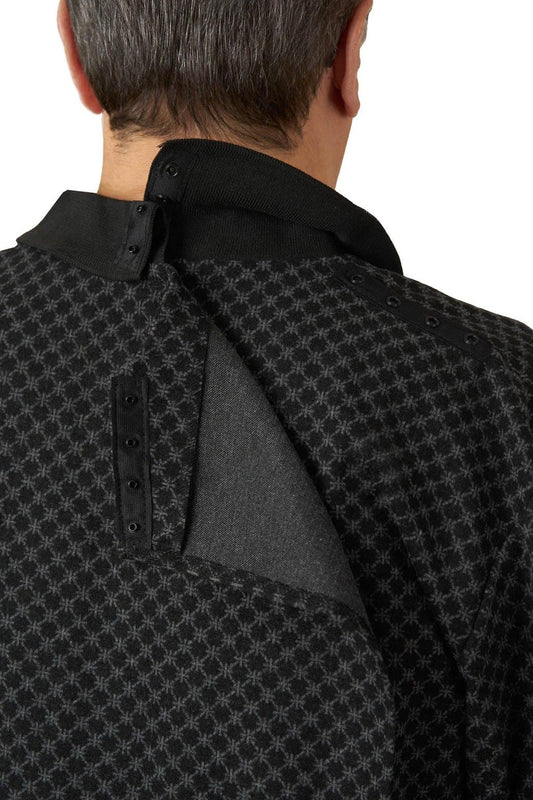
Adaptive clothing is a game-changer for individuals with autism. It is specifically designed to address the unique sensory needs of those who may struggle with traditional clothing. Adaptive clothing prioritizes comfort, flexibility, and sensory-friendly features.
June Adaptive: Leading the Way in Sensory-Friendly Clothing
One brand that is at the forefront of providing sensory-friendly adaptive clothing is June Adaptive. Their commitment to enhancing comfort and sensory well-being is evident in the thoughtfully designed garments found on their site. Let's take a closer look at some of their offerings:

Features:
-
Non-slip grip design for added stability and confidence.
-
Soft, comfortable fabric for everyday wear.
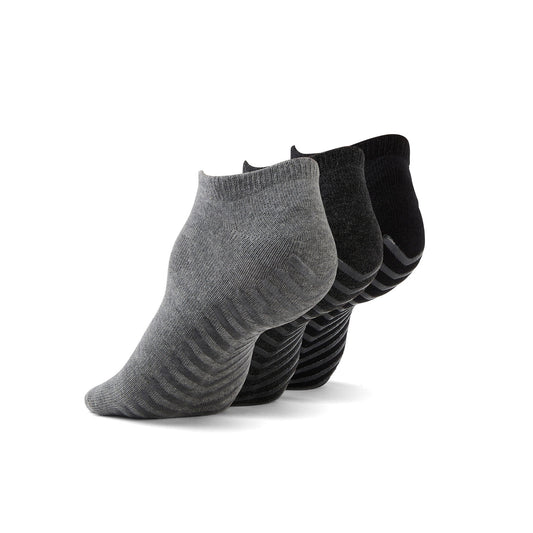
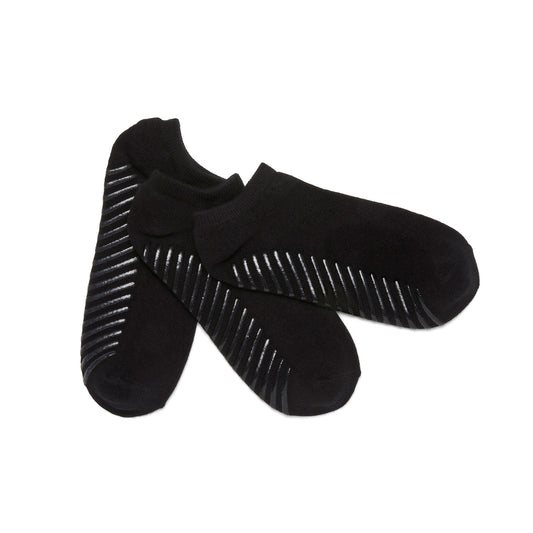
The Everyday Crew Anti-Slip Socks are designed to provide comfort and security throughout the day. Their soft fabric helps reduce irritation against sensitive skin, while the anti-slip grips on the sole offer added stability when walking on smooth indoor surfaces. These socks help support sensory comfort while providing a cozy and dependable everyday option.

Women’s Side-Opening Easy Dressing Elastic Waist Pants
Features:
-
Soft, comfortable fabric designed for everyday wear.
-
Side-opening design and elastic waistband for easier dressing.
The Women’s Side-Opening Easy Dressing Elastic Waist Pants are designed with comfort and accessibility in mind. The soft material allows for comfortable movement throughout the day, while the elastic waistband helps avoid unnecessary pressure around the waist. The side-opening design simplifies dressing and undressing, making these pants a practical option for individuals who benefit from adaptive clothing solutions.

Features:
-
Soft cotton fabric designed for everyday comfort.
-
Lightweight and breathable construction.
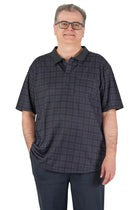
The Adult Cotton T-Shirt offers a simple, comfortable option for everyday wear. Made from soft cotton fabric, it provides a gentle feel against the skin while remaining breathable throughout the day. Its lightweight construction helps support comfort for individuals who may be sensitive to certain fabrics or restrictive clothing, making it a versatile wardrobe essential.
Sensory comfort is a critical aspect of the daily lives of individuals with autism. The right clothing can make a significant difference, reducing anxiety and promoting a sense of well-being. Adaptive clothing, such as that offered by June Adaptive, has emerged as a beacon of hope for those seeking sensory-friendly apparel that combines style and functionality.
By addressing the unique sensory needs of individuals with autism, adaptive clothing is helping bridge the gap between comfort and style, allowing individuals to confidently navigate the world while feeling at ease in their own skin. Soft fabrics, comfortable fits, breathable materials, and thoughtful adaptive features exemplify the commitment to enhancing sensory comfort for those with autism.
As awareness and understanding of sensory sensitivities continue to grow, we can look forward to more innovative and inclusive solutions in the world of adaptive clothing, ensuring that everyone has the opportunity to experience comfort and style in their own unique way.