By: Qasem Gilani
Spending most of your day seated changes how you relate to clothes, and shoes are no exception. For wheelchair users, the right footwear can spell the difference between just putting up with discomfort and feeling fully supported throughout the day.
Traditional shoes tend to get designed with an emphasis on walking in mind: stiff bottoms, tight closure, and styles often geared more toward appearance than accessibility. However, comfort, safety, and ease are just as important to wheelchair users as fashion. Adaptive footwear is a game-changer in that aspect-meshing function with style for real-world, everyday needs.
In this article, we will be covering what makes shoes great for wheelchair users, how adaptive design enhances comfort and independence, and where to get the best shoes that feel is as great as their looks.
What to Consider in Wheelchair Shoes
We are all different, but if you have to sit for several hours a day, some design features make all the difference in keeping you relatively comfortable and mobile. Here are the key elements:
-
Elastic, Light-Weight Structure
Bulky, heavy shoes can restrict circulation and make transfers harder. Instead, look for lightweight soles that allow your feet to move naturally without feeling confined.
For example, the Adaptive Leather Sandals with Stretch Panels are lightweight leather sandals are designed for all-day comfort, featuring stretchable panels that adapt to feet that swell throughout the day.
Lightweight shoes also avoid fatigue for people who do many transfers or repositioning during the day. A flexible sole with a breathable upper avoids overheating and allows your feet to feel comfortable hour after hour.

2. Pressure-Reducing Support
It is for this reason very important to use shoes that reduce localized pressures and enhance circulation, as wheelchair users don't distribute weight through their feet like walkers do.
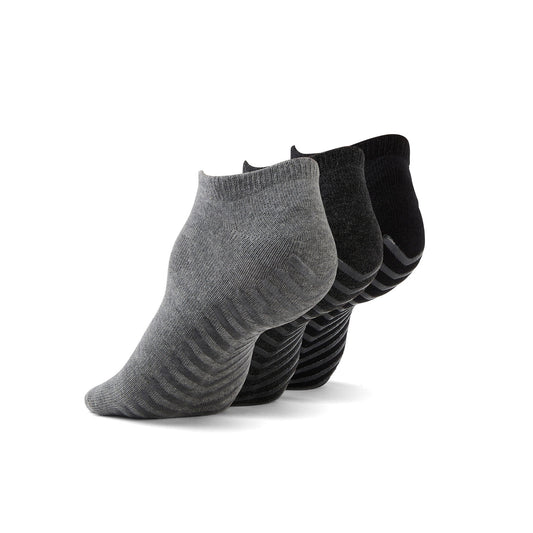
You also want to look at the insoles. The basic material should be from memory foam or gel padding. Both are impact-absorbing and relieve tension on the heel and the ball of the foot. To support your feet, take a look at the Comfort Calf Crew Anti-Slip Socks. These socks are designed to be extra stretchy at the calf and feature a seamless toe design, making them great for those who experience swelling or have larger calves.

3. Comfortable Fabrics for Diabetic Individuals
For people with limited mobility, circulation concerns, or sensitive feet, even wearing regular socks can become uncomfortable and frustrating. Tight elastic bands, restrictive fabrics, and rough seams may cause irritation, swelling discomfort, or pressure on the feet. Adaptive diabetic socks are designed to eliminate those everyday challenges while prioritizing comfort and foot health.
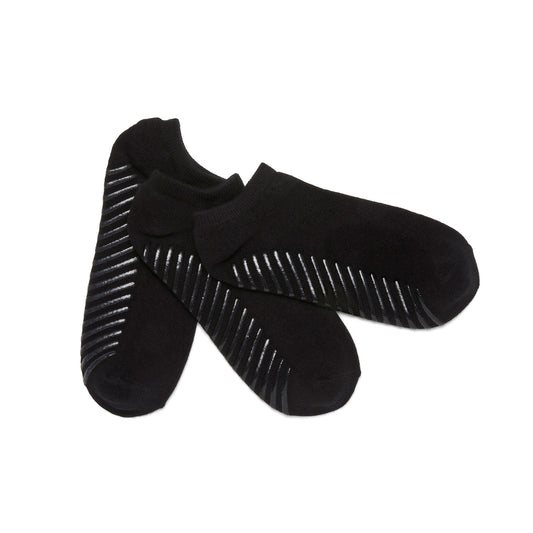
The June Adaptive Unisex Diabetic Wide Socks 2 Pack are made with a non-binding fit and extra stretch to comfortably accommodate swollen or sensitive feet. Their soft, wide design helps reduce pressure around the ankle and calf while making the socks easier to put on and remove.
Beyond comfort, these socks support greater independence and daily ease. The gentle fit helps minimize irritation and strain, while the breathable, diabetic-friendly design promotes all-day wear without discomfort.

4. Slip-Resistant Soles for Safe Transfers
Despite wheelchair users' undoubtedly spending a lot of time seated, safe transfers from bed to chair, chair to car, or wheelchair to toilet often depend upon reliable traction.
A good adaptive shoe should have a non-slip sole for sure gripping of surfaces. This is especially important on smooth or wet floors, reducing the risk of slipping during pivots or weight shifts.
Most of June Adaptive's range of shoes comes with more than a few non-slip options made from lightweight rubber that yield great ground traction without adding bulk. Shoes such as the Women’s Extra Wide Comfort Adjustable Shoes with Easy Closures offer this necessary combination: stability with no sacrifice in terms of breathability or ease.
5. Breathable Materials for Healthy Skin
With so much sitting, there is reduced airflow around the feet, which can be the cause of overheating, perspiration, and skin irritation.
Wear breathable fabrics, such as mesh, neoprene, or stretch-knit materials that allow moisture to evaporate. Minimize the risk of pressure sores, smooth linings, and soft interiors that protect sensitive skin from friction or rubbing.
June Adaptive's Unisex Diabetic Socks with Seamless Toe & Non-Binding Cuff is crafted to eliminate pressure points and they are ideal for managing the symptoms of diabetes, arthritis, and neuropathy.

Finding the Right Fit for Seated Comfort
Even the best-designed shoes won't feel comfortable if the fit isn't right. The best and most accurate fit for wheelchair users often differs from typical shoe sizing, because your foot posturing changes when you're seated.
Here's how to get your perfect size:
- Measure while seated. Your foot expands differently when not bearing full weight.
- Allow for natural swelling. Buy shoes with adjustable straps or elastic panels that can stretch to accommodate smaller changes in size throughout the day.
- Check heel placement. Your heel should be positioned so that it does not slip and cause skin irritation with transfers.
- Test its flexibility. Bend the shoe slightly with your hand — it should bend with your foot, not against it.
- If possible, do it in the afternoon when your feet are slightly swollen-that's the most realistic gauge for everyday wear.
Practical Style: Adaptive Doesn't Compromise on Fashion
Adaptive shoes certainly are a far cry from those old, clinical, or utilitarian designs; instead, they boast clean lines, modern silhouettes, and versatile colouring, from sleek sneakers to dress shoes that look like they came straight from your closet.
June Adaptive's collection brings this notion to a perfect simulation. Their shoes merge inclusive design with contemporary aesthetics, so whether one is dressing up for work, hanging out with friends, or lounging at home, they have styles that merge comfort and confidence.
Adaptive fashion isn't just about convenience; it's about the recouping of self-expression and empowerment. The right shoes don't just make it easier to move; they bolster this sense of self that comes from literally wearing something one truly loves.
Caring for your Adaptive Shoes
To extend the life and comfort of your footwear:
- Clean with light soap and a soft cloth to remove dust or debris regularly.
- Allow to air dry, as direct heat can damage adhesives and linings.
- Replace insoles if they compress or lose support.
-
Check for wear at closures; Velcro and zippers can be replaced or adjusted to extend the life of shoes.
Well-cared-for adaptive shoes can last as long as regular shoes do, if not longer, due to reinforced stitching and hard-wearing material.
Tips for Shoes on Transfers and Daily Wear
- Keep a pair of non-slip shoes or slippers beside the bed for nighttime transfers in safety.
- Shoes with rounded toe boxes won't cause pressure buildup.
- If you use a footplate on your wheelchair, low-heeled and flat-soled shoes are best for better alignment.
- Change between pairs occasionally: this lets them rest, to maintain their shape easily.
-
If they have orthotic inserts, choose models with removable insoles for comfort.
In fact, such minor details transform everyday dressing into an easier and more pleasant process.
Confidence from the Ground Up
Footwear might be the smallest part of your outfit, but it's the big key for wheelchair users: independence, comfort, and self-expression rest on adaptive shoes-which are empowering beyond functionality.
Every zipper, every strap, and every sole has been designed just to make life that little bit easier and well-styled. Wherever it may be, at home, or on the go-you need shoes that move with you and are reflective of who you are.
At June Adaptive, the boundaries of inclusive fashion are increasingly being rewritten by marrying intelligent design with modern aesthetics, thinking that one must sacrifice personal style for accessibility.
Ready to Find Your Perfect Pair?
Discover the full range of adaptive footwear from slip-ons and sneakers to supportive memory foam designs at JuneAdaptive.com.
For more content like this, please join our Newsletter!