Written by Samantha Jafar
⏳5 minutes of your time could win you a $50 gift card! 🎉Help us design our new adaptive apparel launch by sharing your experience. 👕 Link Here 👈
Introduction
Smart packaging is emerging as a major shift in how products connect with people, especially people with disabilities or accessibility needs. It goes beyond the traditional role of packaging as protection and storage. Smart packaging uses digital tools and intelligent systems to communicate with users, provide real-time information, track product conditions, and enhance usability.

Inner Peace - Gender Neutral Crewneck Sweatshirt
QR codes provide product information and usage instructions
QR codes are two-dimensional matrix codes that can store a lot of data and are easily scanned with smartphones or dedicated readers. In the context of smart packaging, QR codes serve as a bridge between the physical product and digital information that can be tailored to user needs. They are already widely used in retail, food, and consumer goods sectors to provide product details, instructions, promotions, and traceability. In the accessibility realm, QR codes can provide information in formats that go beyond text on a label.
This can significantly reduce the frustration and risk associated with shopping independently when product packaging uses hard-to-read fonts or lacks tactile features. Research shows that a large majority of visually impaired people find it difficult or impossible to read packaging information, and many have accidentally purchased products containing allergens due to a lack of access to clear labelling. QR codes paired with audio output can mitigate this problem.
The benefits of QR codes in smart packaging for accessibility
-
Delivering detailed product information in audio format when scanned
-
Supporting multilingual output for diverse user needs
-
Connecting users to step-by-step usage instructions
-
Enabling real-time updates if product information or instructions change
-
Allowing brands to include large amounts of data without crowding the physical label
However, for QR codes to be effective, products must adopt standardized coding practices and ensure compatibility with assistive technologies such as screen readers and accessibility apps. Not all QR code implementations are equal.
Some require good lighting or precise alignment, and this can create challenges. Integrating high-contrast codes, large scanning zones, and labels positioned at convenient heights can make a big difference in usability.
Audio labels for blind and low vision users
Audio labeling takes the concept of QR code–linked information a step further by providing direct spoken instructions or details about a product. Instead of relying on the user to interpret printed information, audio labels can give voice feedback through a smartphone app, wearable device, or dedicated audio reader.
This type of labeling is particularly important for people who are blind or have low vision because it removes the reliance on visual interpretation entirely.

Good Vibes - Gender Neutral Sweatpants
Audio labels
-
Clear product names for easy identification
-
Ingredient lists with allergen warnings
-
Usage steps spoken out loud
-
Safety precautions and expiration information
-
Links to customer support or accessible tutorials
These audio features can be especially helpful in complex or technical products where using the item incorrectly could have safety implications. When audio labels are reliably integrated into packaging, they give greater independence to people with visual impairments, allowing them to shop, identify, and use products without relying on another person’s assistance.
This aligns with inclusive design principles that seek to make products usable for as many people as possible, regardless of ability.
Temperature-sensitive packaging for sensitive products
Some products require special conditions to remain safe and effective. Pharmaceuticals, perishable foods, and certain chemicals lose potency or become unsafe if exposed to extreme temperatures. Smart packaging technologies can help monitor environmental conditions and communicate status to the user.
This is valuable not only for safety, but also for accessibility, especially for people who may be more vulnerable to the consequences of improper storage.
Temperature-sensitive smart packaging
-
Change color when the product has been exposed to unsafe temperatures
-
Trigger a digital alert to a smartphone app
-
Record temperature history for quality assurance
-
Signal if the product may need to be discarded
These indicators can be simple visual cues, but they can also be paired with digital systems that speak or notify users with sensory needs. For people with sensory sensitivities, knowing whether a product has been stored correctly without having to interpret subtle color changes or thermometers can reduce anxiety and help them trust the product. For people with cognitive disabilities, clear alerts and simple signals can reduce confusion about product usability.
The benefits of temperature-sensitive packaging
-
Helping ensure product safety and effectiveness
-
Reducing guesswork for vulnerable users
-
Offering clear signals when conditions are outside safe ranges
-
Supporting caregivers and users in making informed decisions
As smart packaging develops, combining temperature monitoring with other accessibility features could provide unified solutions that communicate both condition and usage instructions in accessible ways.
RFID technology tracking product information for people with cognitive disabilities
Radio Frequency Identification (RFID) is a technology that uses tags and readers to communicate information without requiring line-of-sight scanning. Unlike barcodes or QR codes that need to be visually located and scanned, RFID tags can transmit data when they come within range of a reader. Smart packaging that includes RFID can support real-time tracking and information delivery, and this capability can be applied to accessibility challenges faced by people with cognitive disabilities.
For example, an RFID-enabled packaging system could:
-
Alert a mobile app with simplified instructions when the package is near
-
Identify the product and provide visual or audio cues for use
-
Store product usage history for reference
-
Provide reminders or step sequences to manage multi-step tasks
The future of RFID in smart packaging points toward broader adoption as smartphones and readers become more common and interoperable. RFID can also link with internet of things (IoT) ecosystems to provide enhanced notifications, usage tracking, and integration with digital calendars or reminders.
RFID benefits for cognitive accessibility
-
Reduces the need to locate and scan a visual code
-
Triggers context-aware guidance or instructions
-
Supports reminders and usage history
-
Works in environments with limited visual accessibility
-
Can interface with apps that simplify complex tasks
Privacy and data considerations in smart packaging technology
As packaging becomes smarter and more connected, privacy and data safety become real considerations. Smart packaging often collects, stores, or communicates data. Whether it is a scanned QR code that redirects to a server, an RFID tag that interacts with a reader, or a temperature sensor that logs environmental data, there is information being processed. This raises questions about whose data is being collected, where it is stored, and how it may be used.
For people with disabilities, privacy considerations are particularly relevant. Someone using a smartphone to access audio labels or an app linked to smart packaging is likely to generate data about what products they buy, when they use them, and how they interact with accessibility features. If that data is shared with third parties without clear consent or protections, it could lead to unwanted marketing, profiling, or breaches of sensitive preferences.
Key privacy and data considerations include:
-
Ensuring that user interaction data is not collected without clear consent
-
Providing transparent information about what data is stored and why
-
Allowing users to opt out of data collection while still accessing accessibility features
-
Protecting sensitive information from hacking or exploitation
People with cognitive or learning disabilities may be more susceptible to privacy issues if they are unaware of how data is being used or if interfaces are not clear about permissions. Designers of smart packaging systems must consider inclusive privacy practices that explain data use in plain language, support full control over settings, and do not assume users will navigate complex privacy menus.

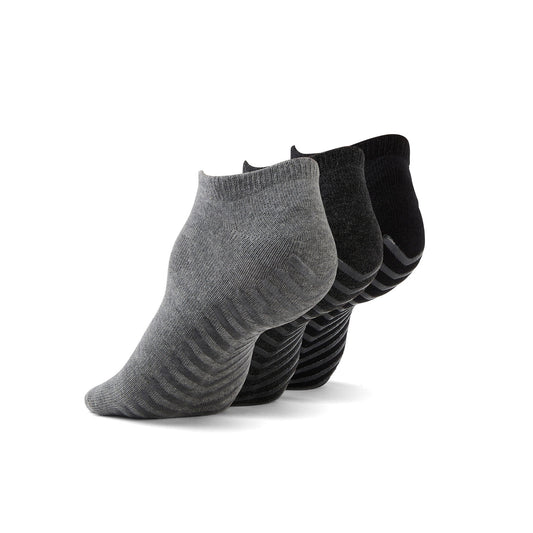
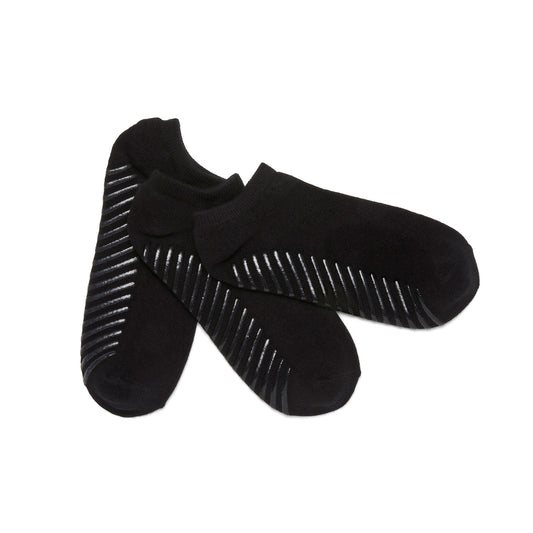
Ankle Anti-Slip Socks (3 pairs)
Accessibility research also shows that privacy interfaces themselves must be made usable for people with sensory or cognitive needs. For example, privacy warnings or consent forms should be accessible via audio and easy-to-understand visual layouts. Accessible design principles emphasize the importance of creating systems where all users can maintain autonomy over their data and understand what they are sharing.
Privacy and data considerations
-
Consent mechanisms should be clear and understandable
-
Users should be able to opt out without losing essential accessibility functions
-
Data storage and sharing practices must be transparent
-
Accessibility features should not expose more personal data than necessary
-
Privacy settings should be accessible to people with sensory or cognitive needs
Final Thoughts
The future of smart packaging has the potential to transform how products communicate with us, especially for people with disabilities and accessibility needs. Technologies like QR codes can provide in-depth product information and usage instructions in formats that go beyond traditional visual text. Audio labels offer spoken information that enhances independence for blind and low vision users.
Temperature-sensitive packaging helps ensure product safety for sensitive goods and communicates conditions in user-friendly ways. RFID technology can reduce the cognitive strain of scanning and interpreting labels while offering rich contextual data that aids people with cognitive challenges.
If you enjoyed this blog, please sign up to the June Adaptive Newsletter below to receive more updates!
⏳5 minutes of your time could win you a $50 gift card! 🎉Help us design our new adaptive apparel launch by sharing your experience. 👕 Link Here 👈