Written by: Fatima Faruq:
The language brands use says a lot about who they believe their products are for. In beauty, wellness, and fashion marketing, words have historically been shaped around assumptions about what is considered “normal” without much thought about how disabled individuals are represented or spoken to.
That is beginning to change.
More brands are recognizing that respectful and inclusive communication matters just as much as accessible product design. The way companies describe disability, mobility, chronic illness, or accessibility can either help people feel seen and respected or make them feel excluded from the conversation entirely.
Person first language is one approach that encourages brands to place the individual before the condition or diagnosis. While preferences can vary across different disability communities, the larger goal remains the same: communicating with respect, accuracy, and inclusion.
As conversations around accessibility continue to grow, adaptive fashion and inclusive brands are helping push the industry toward more thoughtful communication and representation.
What Is Person First Language?
Person first language places the individual before the disability or condition.
For example:
• “Person with a disability” instead of “disabled person”
• “Person who uses a wheelchair” instead of “wheelchair bound”
• “Person living with chronic illness” instead of “suffers from”
The purpose is to recognize that a disability is only one part of someone’s identity rather than the defining feature of who they are.
At the same time, language preferences are not universal. Some communities and self advocates prefer identity first language instead, such as “autistic person” or “Deaf person.” That is why listening to individuals and communities directly is so important.
Inclusive communication is less about memorizing perfect terminology and more about approaching conversations with respect, openness, and a willingness to learn.
Why Language Matters in Marketing
Marketing shapes how people see themselves and how they feel represented by brands.
When disability is framed negatively or treated as something inspirational simply for existing, it can create messaging that feels dismissive or disconnected from real experiences.
Terms like:
• “Wheelchair bound”
• “Afflicted with”
• “Suffers from”
• “Special needs”
are increasingly viewed as outdated or overly limiting because they frame disability through pity or discomfort instead of neutrality and respect.
The disability community has pushed brands to move away from those phrases and toward language that feels more accurate and empowering.
For beauty and adaptive fashion brands, this matters because these industries are deeply connected to confidence, identity, and self expression.
Representation Should Feel Authentic
Inclusive language is only one part of accessibility. Representation matters too.
For years, disabled individuals were rarely included in beauty campaigns, product development conversations, or mainstream marketing. Social media helped change that by giving disabled creators a platform to openly discuss accessibility, representation, and product design.
Consumers now expect brands to think more carefully about:
• Accessibility
• Representation
• Product usability
• Inclusive language
• Authentic collaboration
People want to see brands include disabled voices in meaningful ways rather than treating disability as a marketing trend.
Authentic representation means listening to real experiences and involving disabled individuals throughout the creative process instead of only during final campaigns.
Accessibility Is About More Than Products
Accessibility is not limited to packaging or product design. Communication is part of accessibility too.
The words brands choose can shape whether people feel included, respected, and understood.
Adaptive fashion brands are helping show that accessibility should feel natural instead of clinical. Clothing can support comfort and easier dressing while still feeling modern, stylish, and practical for everyday life.
The Women’s 3/4 Sleeve Embroidered Top with Back Overlap combines adaptive dressing features with a polished everyday look designed around comfort and ease of movement.
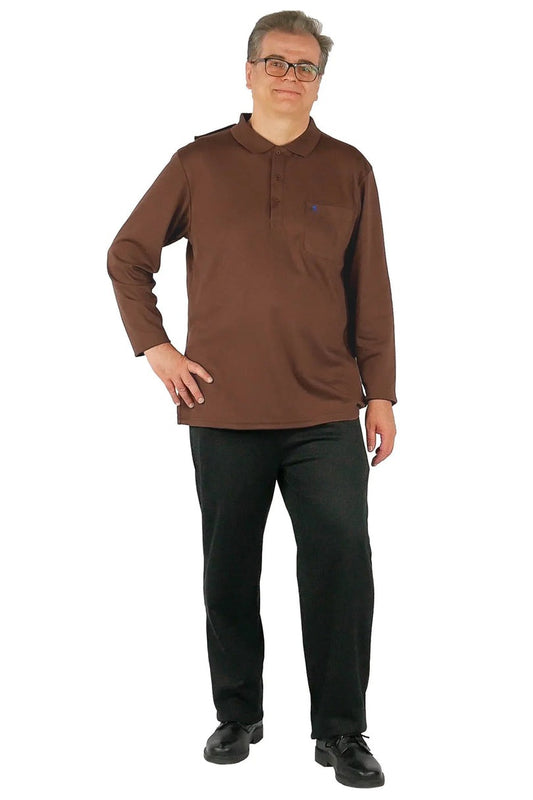
The Men’s Crew Neck T Shirt with Back Overlap is designed to support easier dressing while maintaining a simple and familiar everyday style.
Thoughtful design and thoughtful communication often go hand in hand.
Inclusive Brands Build Trust Through Listening
The brands creating meaningful change are usually the ones listening directly to the communities they want to support.
That means:
• Collaborating with disability advocates
• Hiring disabled creators and consultants
• Testing language with real communities
• Being open to feedback and correction
• Continuing to improve over time
No brand gets everything perfect immediately. What matters most is whether companies are genuinely willing to learn and evolve.
Respectful communication is not a one time campaign. It is an ongoing commitment to treating people with dignity and understanding.
Adaptive Fashion Is Part of the Inclusion Conversation Too
Fashion plays a major role in confidence, identity, and comfort throughout daily life. Adaptive clothing helps support accessibility through designs that reduce strain and simplify dressing routines while still allowing people to wear styles that feel modern and familiar.
The Women’s Cardigan with Back Overlap is designed to support easier dressing through adaptive features that help improve comfort and movement throughout the day.
Accessible design works best when it blends naturally into everyday life instead of making people feel separated from mainstream fashion.
Top June Adaptive Picks Inspired by Inclusive Design
Thoughtful adaptive clothing can help support comfort, accessibility, and confidence through designs focused on real everyday needs.
Some June Adaptive favorites inspired by inclusive design include:
Women’s 3/4 Sleeve Embroidered Top with Back Overlap


Men’sCrew Neck T Shirt with Back Overlap
 Women’s Cardigan with Back Overlap
Person first language and respectful communication are becoming a more important part of accessibility conversations across beauty, wellness, and adaptive fashion.
As more brands prioritize inclusive language, authentic representation, and thoughtful design, accessibility is becoming more visible throughout the customer experience.
The most meaningful progress happens when brands listen directly to disabled communities and build products, messaging, and experiences that reflect real everyday needs with respect and understanding.