⏳5 minutes of your time could win you a $50 gift card! 🎉Help us design our new adaptive apparel launch by sharing your experience. 👕 Link Here 👈
Aging in place is about more than staying in the same house. It is about being able to live safely, comfortably, and independently in a familiar environment for as long as possible. For many older adults, that goal depends on everyday products that are easy to open, easy to read, easy to reorder, and easy to use. At June Adaptive, we believe accessible design should support real daily routines, from getting dressed to washing, grooming, cleaning, and caring for the home.
Overlapping needs between older adults and people with disabilities
Aging in place and disability accessibility are deeply connected. Not every older adult identifies as disabled, but age-related changes can affect mobility, grip strength, balance, vision, hearing, memory, skin sensitivity, and stamina. These changes can make ordinary consumer packaged goods, or CPG products, harder to use.
The CDC reports that adults 65 and older are more likely to have functional limitations than younger adults, and CDC research has found that functional limitations are common among older adults, especially among those with multiple chronic conditions. (CDC) At the same time, AARP’s 2024 Home and Community Preferences Survey found that 75% of adults age 50 and older want to stay in their current homes as they age. (AARP)
That creates a clear opportunity for accessible CPG brands. If more people want to age at home, then everyday products need to be designed for bodies, homes, and routines that change over time.
Think about a typical morning. Someone may need to open a body wash, squeeze toothpaste, read medication-adjacent hygiene instructions, apply lotion, dress in comfortable clothing, prepare breakfast, and clean up. Each step may seem small, but small barriers add up quickly.
Common overlapping needs include:
-
Reduced grip strength: Arthritis, tremors, neuropathy, or general hand weakness can make caps, seals, sprays, jars, and twist tops difficult.
-
Vision changes: Small print, low-contrast labels, glossy packaging, and unclear dosage or usage directions can create confusion.
-
Mobility limitations: Products stored too high, too low, or in heavy containers may be hard to reach or carry.
-
Cognitive load: Complicated instructions, similar-looking packages, and unclear warnings can make routines harder for people managing fatigue, memory changes, or multiple products.
This is where accessible CPG and adaptive fashion share the same design philosophy. A shirt with magnetic closures can make dressing easier. A seated-friendly pant can reduce pressure and discomfort. A pump bottle with large print instructions can make bathing or skincare easier. All of these details support independence by reducing unnecessary effort.
Aging in place works best when the home environment is set up for the person living there. The National Institute on Aging notes that living at home as you age requires planning for support, safety, health care, transportation, and daily needs. (National Institute on Aging) Accessible products are one practical part of that larger plan.
Easy-open packaging for age-related dexterity and vision changes
Packaging is often the first test of whether a product is truly accessible. A lotion may have a wonderful formula, but if the cap is tiny, slippery, or sealed with plastic that requires scissors, it may not work well for someone aging in place.
For older adults, packaging barriers can be frustrating and sometimes unsafe. A person may use a knife to cut open a seal, struggle with a hard spray trigger, drop a heavy bottle in the shower, or avoid using a product altogether because it is too difficult to open.
Accessible packaging does not have to look medical or plain. It can be attractive, modern, and functional. The goal is to make the product easier to use without making the customer feel singled out.
Helpful packaging features may include:
-
Larger caps and textured grips that are easier to twist with limited hand strength.
-
Pump dispensers that reduce the need to squeeze stiff bottles.
-
Stable bottle shapes that are less likely to tip over on counters, shower benches, or bedside tables.
-
High-contrast labels with larger fonts, simple icons, and clear front-of-pack cues.
-
Easy-peel seals that do not require sharp tools or excessive force.
Vision-friendly design is just as important as dexterity-friendly design. Older adults may have difficulty reading small print, especially in bathrooms, kitchens, or bedrooms with uneven lighting. A skincare product may be used without glasses. A cleaning product may be read quickly while standing. A hygiene product may be used by both the older adult and a caregiver.
That means important information should be obvious. Product name, purpose, fragrance status, sensitive-skin claims, usage directions, warnings, and expiration dates should not be hidden in tiny text.
For June Adaptive, this same thinking applies to apparel. Clothing should be easy to identify, easy to put on, and easy to care for. Labels, care instructions, closure types, and fit details matter because they shape the real user experience. Whether the product is a body wash or an adaptive top, the question is the same: can someone use it comfortably without unnecessary struggle?
Clear instructions for medication-adjacent hygiene products
Many hygiene products are not medications, but they live close to medication routines. Think of antiseptic washes, medicated shampoos, skin protectants, incontinence care products, wound-adjacent cleansing products, oral care items, post-surgical body care, and products used around compression garments or medical devices.
For older adults aging in place, clear instructions are essential. Confusing directions can lead to overuse, underuse, mixing products incorrectly, or avoiding helpful products altogether.
The FDA requires over-the-counter medicine labels to include detailed usage and warning information so consumers can choose and use products properly. (U.S. Food and Drug Administration) While not every hygiene product is an OTC drug, medication-adjacent products can still learn from this approach: clear purpose, clear directions, clear warnings, and clear “when to ask a doctor” guidance.
Accessible instructions should be:
-
Plain-language: Use simple words like “use once daily” instead of overly technical wording.
-
Step-by-step: Break instructions into short actions, especially for products used during bathing, wound care, oral care, or skin protection.
-
Large and high-contrast: Important directions should be readable by older adults and caregivers.
-
Consistent across packaging and online listings: The product page should repeat key instructions so customers can review them before purchase.
For example, instead of a crowded label that says, “Apply to affected area as needed,” a more accessible version might say: “Apply a thin layer to clean, dry skin. Use up to 3 times daily. Do not apply to open wounds unless directed by a healthcare professional.”
Clear instructions also support caregivers. Family members, home care aides, and clinic staff may all help with daily routines. If a product’s use is unclear, everyone has to guess. That creates stress and inconsistency.
For aging in place, consistency matters. A simple, repeatable routine can help someone maintain dignity and independence. The best products do not require constant explanation. They are intuitive, readable, and easy to use the same way every time.
Subscription and auto-delivery models for people aging in place
Running out of essentials can be more than inconvenient for someone aging in place. It can interrupt hygiene routines, skin care, continence care, cleaning, medication-adjacent care, and dressing support.
Subscription and auto-delivery models can help by reducing the number of errands, reminders, and last-minute store trips. This can be especially useful for people who no longer drive, live alone, rely on caregivers, manage fatigue, or have limited access to transportation.
A good subscription model should be flexible, not pushy. Older adults and caregivers need control, not complicated fine print.
Accessible auto-delivery should include:
-
Easy pause and skip options: Customers should not have to call customer service or search through confusing menus to make changes.
-
Clear delivery reminders: Email, text, or phone reminders can help people know when a product is arriving.
-
Caregiver-friendly account settings: With permission, a trusted caregiver or family member may help manage orders.
-
Simple reorder buttons: Products used regularly should be easy to reorder from order history.
-
No surprise charges: Clear pricing and renewal timing are essential for trust.
Auto-delivery can be especially helpful for recurring CPG needs like fragrance-free detergent, body wash, skin protectants, incontinence supplies, wound-adjacent hygiene products, toothpaste, lotions, and adaptive clothing basics.
But accessibility also means recognizing that not everyone is comfortable with digital subscriptions. Some older adults prefer phone support, printed order forms, or caregiver-managed accounts. Brands should avoid making online-only systems the only path to convenience.
This is where inclusive design becomes practical. A brand can offer modern e-commerce while still making room for different comfort levels, abilities, and support systems. Aging in place is not one lifestyle. It includes tech-savvy older adults, people with limited internet access, caregivers managing multiple households, and people who need reminders but still want control over their choices.
Partnering with caregivers, clinics, and senior centers
Accessible CPG brands should not expect older adults to discover every helpful product on their own. Trusted community partners can play a major role in education, awareness, and feedback.
Caregivers, clinics, occupational therapists, dermatology offices, pharmacies, home health agencies, and senior centers all see the practical challenges of aging in place. They know which products are hard to open, which labels confuse people, which routines get skipped, and which design details make care easier.
Partnerships can help brands learn and serve better. For example:
-
Caregivers can identify daily friction points.
They may notice that a parent struggles with caps, forgets instructions, or avoids products that feel too complicated. -
Clinics can offer education.
Healthcare providers and allied professionals can help explain when certain hygiene products may be useful and when someone should seek medical advice. -
Senior centers can support product testing.
Community feedback sessions can reveal whether packaging, labeling, and instructions are actually usable. -
Pharmacies can improve access.
Many older adults already visit pharmacies for medications and health products, making them natural partners for accessible CPG education.
These partnerships should be built respectfully. Older adults should not be treated as a single group with identical needs. Some are highly independent. Some receive daily care. Some live with disabilities. Some are caregivers themselves. Some want adaptive products but do not want anything that looks clinical.
June Adaptive understands that dignity matters. Adaptive products should support people without making them feel reduced to a diagnosis or limitation. The same is true for accessible CPG. Packaging, marketing, and education should feel empowering, not patronizing.
A good partnership model listens first. Instead of asking, “How do we sell this product to older adults?” brands should ask, “What daily barriers are people facing, and how can better design reduce them?”
Take a look at some of our wonderful products that ensure that comfort and accessibility is possible.

Men’s Adaptive Back-Opening Bamboo Sport Shirt

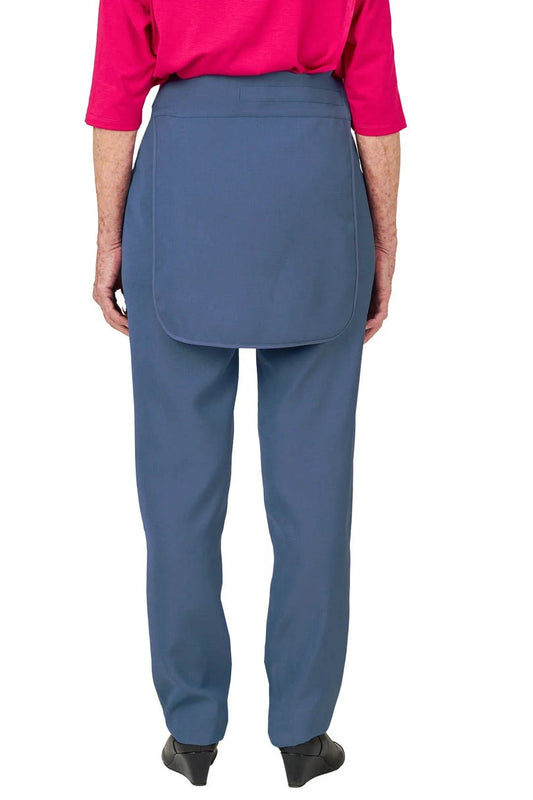
Men’s Back-Overlap Assisted Dressing Twill Pants

Women's Easy-Access Open-Back Keyhole Opening Shirt for Assisted Dressing
Final thoughts
Aging in place depends on more than home modifications and healthcare planning. It also depends on the everyday products people use again and again. If a bottle is too hard to open, a label is too small to read, a subscription is too confusing to manage, or instructions are unclear, independence becomes harder than it needs to be.
Accessible CPG can make aging in place more comfortable and practical. Easy-open packaging, readable labels, clear instructions, flexible auto-delivery, and trusted community partnerships all help reduce daily barriers. These design choices may seem small, but they can protect routines, preserve dignity, and support confidence at home.
At June Adaptive, we believe accessible design belongs everywhere, from adaptive clothing to personal care and household essentials. Aging in place should not mean accepting frustration as normal. With thoughtful products and inclusive systems, daily life can feel easier, safer, and more empowering.
If you enjoyed this blog, please sign up to the June Adaptive Newsletter below to receive more updates! Share your experience in our 5-minute survey to inform our new adaptive apparel launch. Get a chance to win a $50 gift card Link here