Introduction
For many older adults, aging in place—the ability to remain safely and comfortably in their own homes as they grow older—is an important goal. According to AARP, the majority of older Americans prefer to stay in their homes and communities rather than move to assisted living facilities. While home modifications, healthcare services, and community support are often discussed as part of aging in place, clothing is another important factor that can significantly impact daily comfort and independence. Adaptive clothing helps older adults maintain dignity, simplify dressing routines, and support greater independence while remaining in familiar surroundings.
What Does Aging in Place Mean?
Aging in place refers to living independently and safely in one's home for as long as possible, regardless of age, income, or ability level. For many older adults, remaining at home provides emotional comfort, familiarity, and a greater sense of control over daily life.
However, aging can bring physical changes that make everyday tasks more challenging. Conditions such as arthritis, reduced mobility, limited dexterity, balance concerns, and chronic health conditions can affect an individual's ability to dress independently.
Adaptive clothing is designed to address these challenges, helping older adults continue performing daily activities with greater ease and confidence.
Why Dressing Can Become More Difficult with Age
Dressing is a routine task that many people perform without much thought. As we age, however, certain physical changes can make dressing more complicated.
Common challenges older adults may experience include:
-
Arthritis that makes buttons and zippers difficult to manage.
-
Reduced shoulder mobility.
-
Limited hand strength and dexterity.
-
Balance concerns while dressing.
-
Difficulty bending or reaching.
-
Increased reliance on caregivers for assistance.
Traditional clothing often fails to account for these challenges, creating unnecessary frustration and discomfort.
The Benefits of Adaptive Clothing for Older Adults
Adaptive clothing is specifically designed to make dressing easier while maintaining comfort, style, and dignity. Unlike traditional apparel, adaptive garments incorporate features that accommodate mobility limitations and simplify daily routines.
Key benefits include:
-
Easier dressing and undressing.
-
Greater independence.
-
Reduced physical strain.
-
Enhanced comfort throughout the day.
-
Improved caregiver support when assistance is needed.
By removing barriers associated with traditional clothing, adaptive apparel helps older adults focus on living independently rather than struggling with everyday tasks.
Supporting Independence Through Thoughtful Design
One of the most significant advantages of adaptive clothing is its ability to support independence. Even small improvements in accessibility can help older adults maintain control over their daily routines and personal care.
Features such as back-opening designs, elastic waistbands, magnetic closures, and stretch fabrics reduce the effort required to get dressed. These innovations can be especially valuable for individuals managing arthritis, stroke recovery, Parkinson’s disease, or other age-related mobility changes.
Maintaining independence is closely connected to emotional well-being, confidence, and quality of life.
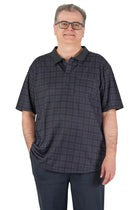
Featured Product: Men’s Adaptive Long Sleeve Back-Opening Polo Shirt
The Men’s Adaptive Long Sleeve Back-Opening Polo Shirt is designed to simplify dressing while providing the classic appearance of a traditional polo.
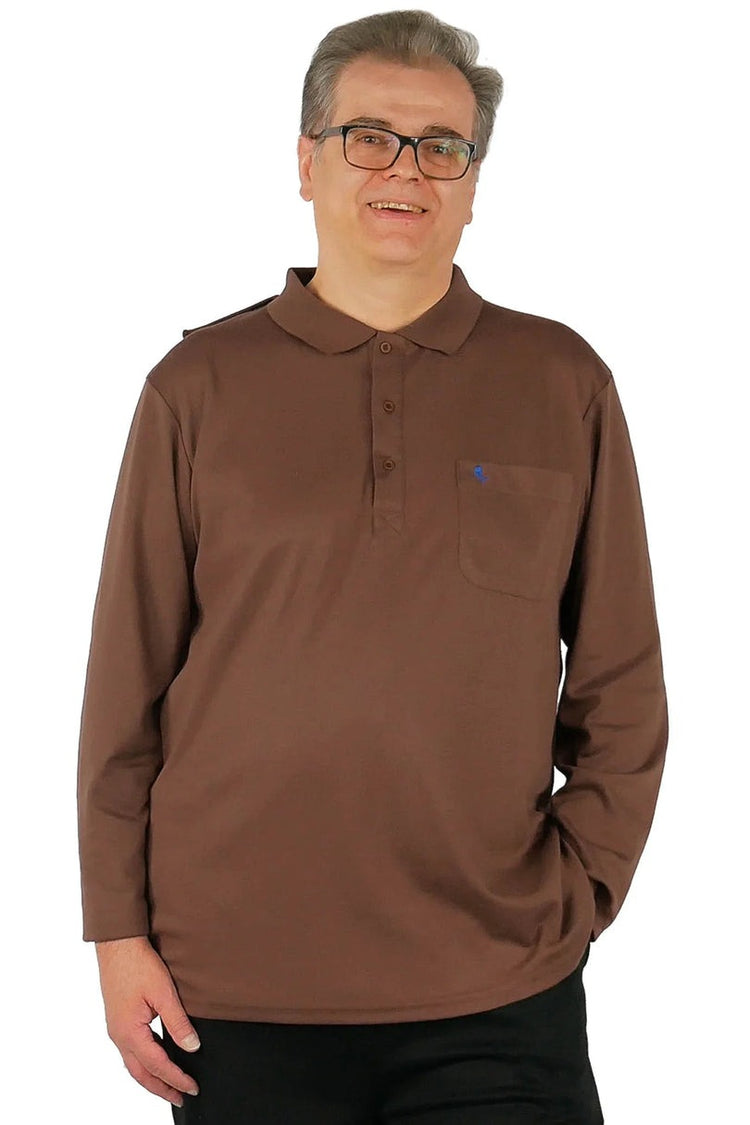
Men’s Adaptive Long Sleeve Back-Opening Polo Shirt
Its back-opening design allows for easier assisted dressing and reduces the need for overhead arm movement, making it ideal for individuals with limited mobility or shoulder restrictions. Caregivers can assist more efficiently while wearers enjoy a comfortable and dignified dressing experience.
The long-sleeve design provides versatility for everyday wear, family gatherings, appointments, and social activities. By combining functionality with timeless style, this adaptive polo helps older adults feel comfortable and confident throughout the day.
Adaptive Clothing Helps Caregivers Too
Aging in place often involves support from family members, professional caregivers, or healthcare providers. Adaptive clothing not only benefits the wearer but can also make caregiving tasks more manageable.
Traditional garments can require significant lifting, pulling, and repositioning during dressing. Adaptive apparel helps reduce physical strain on both caregivers and older adults.
Caregiver-friendly benefits include:
-
Faster dressing routines.
-
Reduced physical effort.
-
Improved comfort for the wearer.
-
Easier assistance with mobility limitations.
-
Greater dignity during personal care activities.
By simplifying the dressing process, adaptive clothing helps create a more positive experience for everyone involved.
Comfort Is Essential for Everyday Living
Comfort becomes increasingly important as people age. Clothing that is restrictive, difficult to adjust, or uncomfortable can negatively affect daily activities and overall well-being.
Adaptive garments are often designed with soft fabrics, flexible materials, and accessible features that prioritize comfort throughout the day. This can be particularly important for individuals who spend extended periods sitting, resting, or receiving care.
Comfort-focused clothing allows older adults to participate more fully in daily activities while reducing unnecessary irritation and frustration.
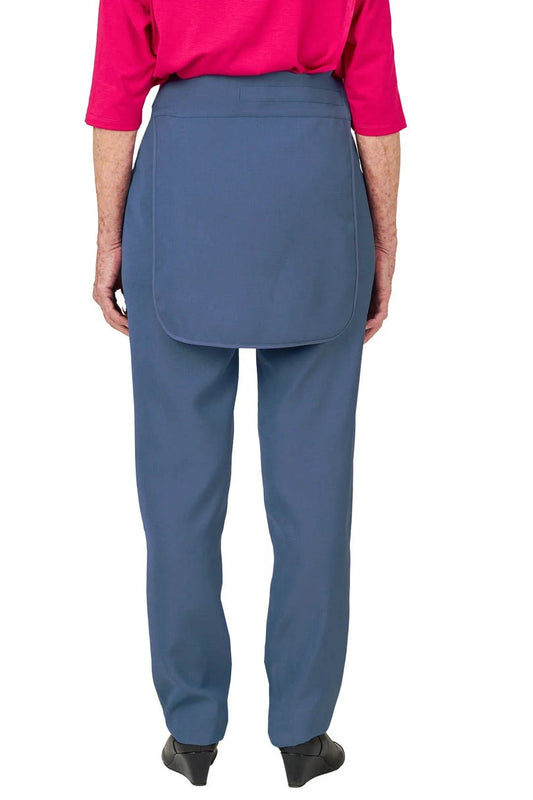
Featured Product: Women’s Back-Panel Assisted Dressing Stretch Pants
The Women’s Back-Panel Assisted Dressing Stretch Pants offer a practical solution for older adults who need dressing assistance while still wanting comfortable, attractive clothing.
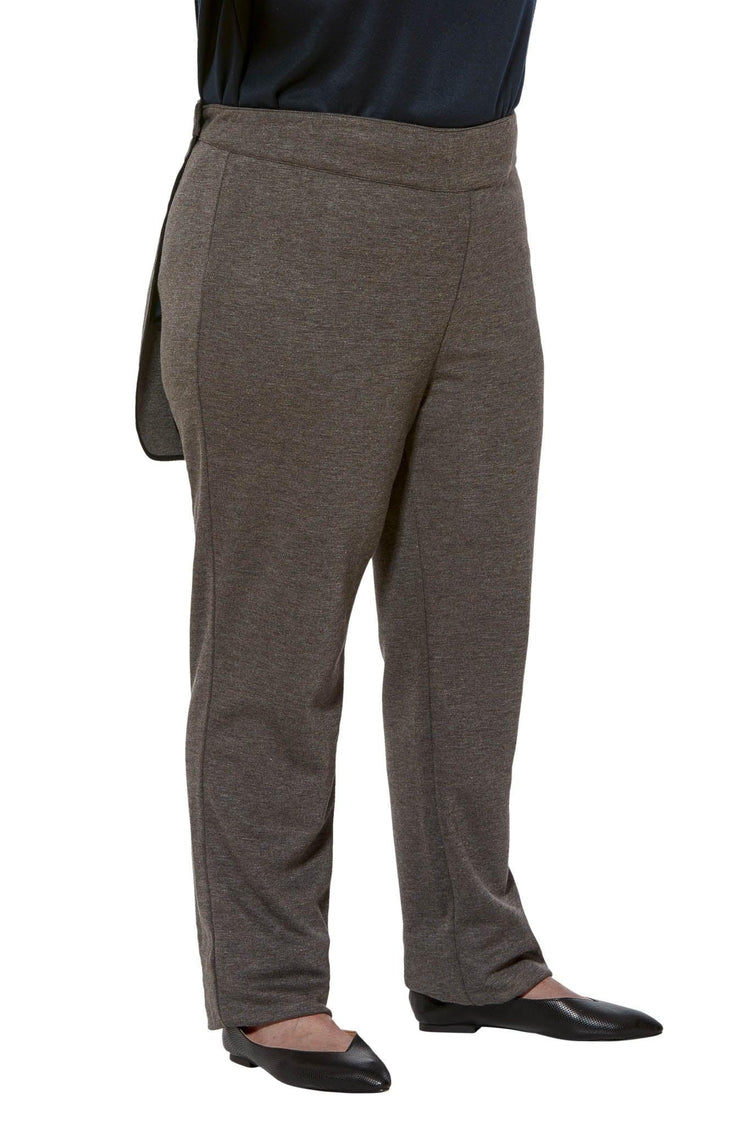
Women’s Back-Panel Assisted Dressing Stretch Pants
The innovative back-panel design simplifies assisted dressing, helping caregivers provide support with less effort and discomfort. The stretch fabric allows for greater flexibility and ease of movement, making the pants suitable for everyday wear.
These pants demonstrate how adaptive clothing can balance functionality, comfort, and style. Rather than looking medical or institutional, they offer a familiar appearance while providing important accessibility benefits.
Adaptive Clothing and Fall Prevention
Safety is a critical component of aging in place. While clothing alone cannot prevent falls, apparel that fits properly and allows for safe movement can help reduce certain risks.
Loose garments, difficult fasteners, and clothing that restricts mobility may contribute to challenges during dressing or movement. Adaptive clothing is designed to support safer daily routines by improving accessibility and reducing unnecessary physical strain.
Features that support safer movement include:
-
Comfortable, non-restrictive fits.
-
Easy-access openings.
-
Flexible materials.
-
Reduced need for bending and twisting.
-
Simplified dressing processes.
Thoughtful clothing design can contribute to a safer and more comfortable home environment.
Preserving Dignity Through Inclusive Design
One of the most important aspects of adaptive clothing is its role in preserving dignity. Everyone deserves clothing that makes them feel comfortable, confident, and respected, regardless of age or ability level.
Inclusive design recognizes that accessibility should not come at the expense of style or personal expression. Adaptive apparel allows older adults to maintain their preferred appearance while accommodating changing physical needs.
When people feel comfortable in what they wear, they are more likely to participate in social activities, maintain confidence, and enjoy a higher quality of life.
The Future of Aging in Place
As the population continues to age, the demand for products that support independent living will continue to grow. Adaptive clothing is becoming an increasingly important part of the aging-in-place conversation because it addresses one of the most fundamental daily activities: getting dressed.
Innovations in adaptive fashion are helping create a future where accessibility is seamlessly integrated into everyday products. This shift reflects a broader commitment to inclusivity, independence, and person-centered design.
By recognizing the diverse needs of older adults, adaptive apparel is helping make aging in place a more comfortable and achievable goal.
Dressing for Independence and Comfort
Aging in place is about maintaining independence, dignity, and quality of life in the comfort of home. Adaptive clothing plays a valuable role in supporting that goal by simplifying dressing routines, improving comfort, and reducing barriers to daily living.
Products like the Men’s Adaptive Long Sleeve Back-Opening Polo Shirt and Women’s Back-Panel Assisted Dressing Stretch Pants demonstrate how thoughtful design can empower older adults and support caregivers alike. Through accessibility-focused innovation, adaptive clothing helps individuals continue living confidently, comfortably, and independently for years to come.
If you enjoyed this blog, please sign up to the June Adaptive Newsletter below to receive more updates! Share your experience in our 5-minute survey to info