Introduction
Recovering from hip replacement surgery takes time, patience, and the right support system. During the weeks and months following surgery, everyday activities such as getting dressed can become unexpectedly challenging. Limited mobility, post-surgical precautions, swelling, and discomfort often make traditional clothing difficult to manage. Fortunately, adaptive clothing offers practical solutions that can simplify dressing, support recovery, and help both caregivers and loved ones navigate the healing process with greater comfort and confidence.
Understanding Recovery After Hip Replacement Surgery
Hip replacement surgery is one of the most common orthopedic procedures performed in North America. Whether the surgery is needed due to arthritis, injury, or joint degeneration, recovery typically involves restoring mobility while protecting the healing joint.
During the early stages of recovery, many individuals are advised to avoid movements such as:
-
Excessive bending at the hip.
-
Crossing the legs.
-
Twisting the lower body.
-
Sudden or strenuous movements.
These precautions help reduce the risk of complications while allowing the new joint to heal properly. However, they can also make dressing more difficult, especially when putting on pants, socks, or footwear.
Why Dressing Can Be Challenging After Surgery
Many people don't realize how much hip movement is involved in getting dressed until that movement becomes restricted.
Traditional pants often require bending, balancing, and maneuvering one leg at a time through narrow openings. For someone recovering from surgery, these movements may be uncomfortable or medically discouraged.
Common dressing challenges include:
-
Difficulty bending to pull up pants.
-
Limited range of motion.
-
Pain or stiffness during movement.
-
Swelling around the hip and leg.
-
Increased dependence on caregivers.
These challenges can create frustration and make simple daily routines feel overwhelming during recovery.
The Role of Adaptive Clothing in Recovery
Adaptive clothing is designed to reduce physical strain while making dressing more accessible and comfortable. Instead of requiring complicated movements, adaptive garments incorporate features that allow wearers and caregivers to dress with less effort.
For individuals recovering from hip replacement surgery, adaptive clothing can help maintain independence while reducing discomfort during daily routines.
Benefits of adaptive clothing during recovery include:
-
Easier dressing and undressing.
-
Reduced need for bending and twisting.
-
Greater comfort throughout the healing process.
-
Improved accessibility for caregivers.
-
Increased confidence and independence.
By minimizing unnecessary movement, adaptive clothing helps support a smoother recovery experience.
Supporting Caregivers Through Thoughtful Design
Family members and caregivers often play an important role after hip replacement surgery. Assisting with dressing can become a daily task, especially during the first few weeks of recovery.
Traditional clothing can make dressing assistance physically demanding for both the caregiver and the person recovering. Adaptive clothing helps simplify the process by allowing garments to open more fully and accommodate limited mobility.
Caregiver-friendly features include:
-
Easier access during dressing.
-
Reduced lifting and repositioning.
-
Faster dressing routines.
-
Improved comfort for the wearer.
-
Less strain on recovering joints.
These features help make caregiving more manageable while preserving the dignity of the individual receiving assistance.
Featured Product: Men's Easy-On Side-Opening Jeans
Recovery doesn't mean giving up personal style. The Men's Easy-On Side-Opening Jeans are designed to provide the familiar look of traditional denim while offering the accessibility benefits needed during recovery.
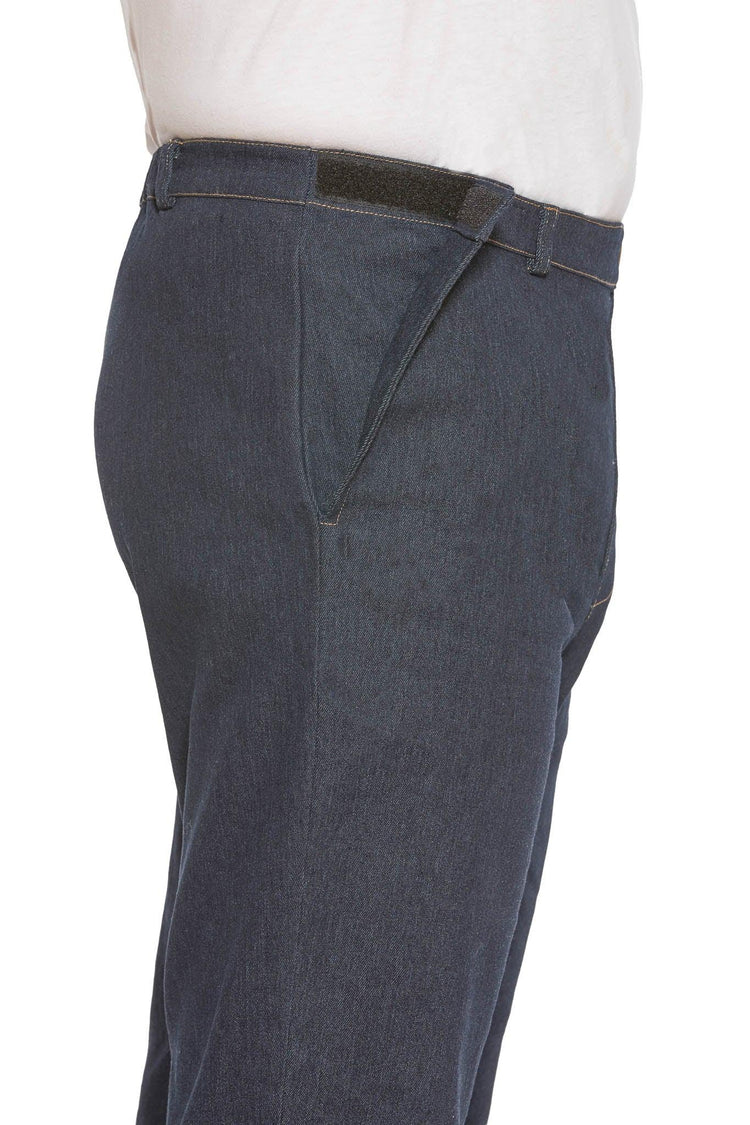
Men's Easy-On Side-Opening Jeans
The side-opening design allows the jeans to open wider than conventional pants, making dressing easier for individuals with limited mobility. This feature helps reduce the need for bending and twisting, which can be particularly beneficial following hip replacement surgery.
Benefits of the Men's Easy-On Side-Opening Jeans
-
Easier dressing with limited hip mobility.
-
Reduced strain during dressing and undressing.
-
Comfortable fit for everyday wear.
-
Familiar appearance that promotes confidence.
-
Helpful for both independent and assisted dressing.
These jeans offer a practical way to maintain comfort and style while supporting the recovery process.
The Importance of Comfortable Lower-Body Clothing
Following hip replacement surgery, comfort becomes a priority. Tight waistbands, stiff fabrics, and restrictive designs can increase discomfort and make movement more challenging.
Adaptive pants designed with flexibility and accessibility in mind can help improve daily comfort while supporting safe movement. Features such as elastic waistbands and side openings allow individuals to dress more easily while accommodating changes in mobility and swelling.
Comfortable clothing can also encourage greater participation in rehabilitation exercises and daily activities, both of which are important components of recovery.
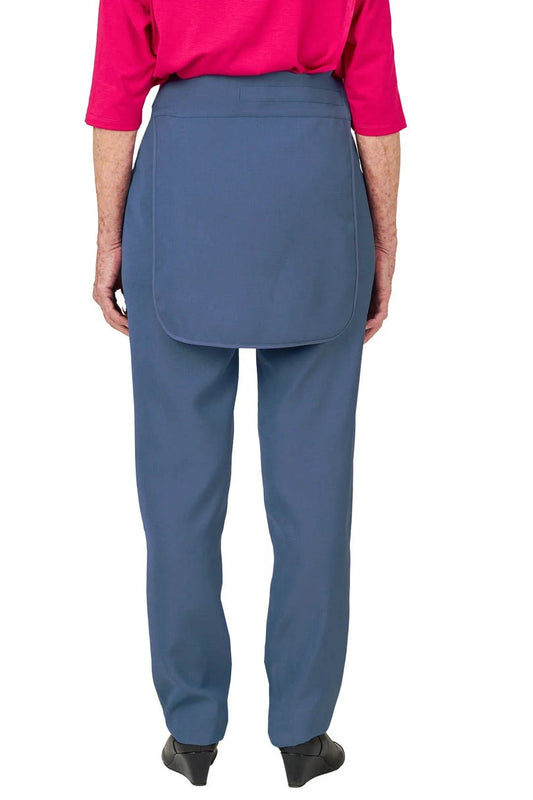
Featured Product: Women’s Side-Opening Easy Dressing Elastic Waist Pants
The Women’s Side-Opening Easy Dressing Elastic Waist Pants are designed to make dressing simpler and more comfortable during recovery.
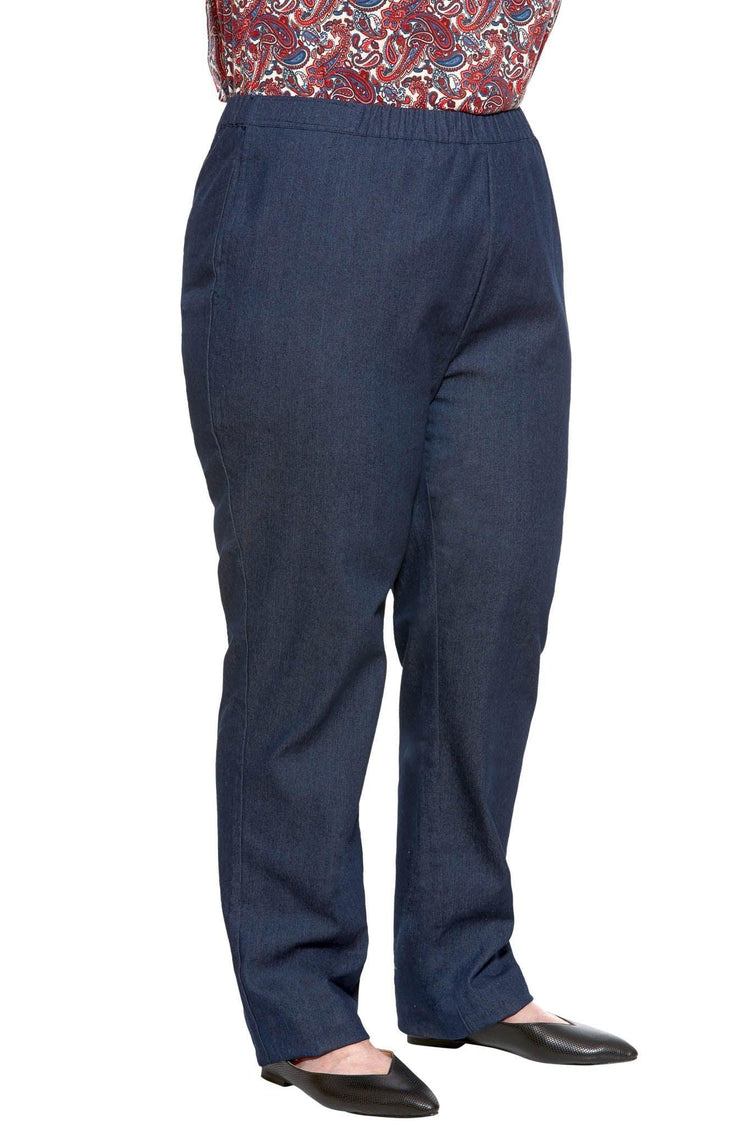
Women’s Side-Opening Easy Dressing Elastic Waist Pants
The side-opening design provides easier access while reducing the need for excessive bending. The elastic waistband offers flexibility and comfort throughout the day, making these pants an excellent option for individuals recovering from hip surgery.
Benefits of the Women’s Side-Opening Easy Dressing Elastic Waist Pants
-
Simplified dressing and undressing.
-
Comfortable elastic waistband.
-
Reduced pressure around sensitive areas.
-
Easier caregiver assistance when needed.
-
Flexible fit for daily wear.
These pants demonstrate how adaptive clothing can combine functionality, comfort, and style during the recovery journey.
Creating a Recovery-Friendly Wardrobe
Choosing the right clothing can make a significant difference during rehabilitation. A recovery-friendly wardrobe should prioritize accessibility, comfort, and ease of movement.
Helpful clothing features to look for include:
-
Side-opening or adaptive closures.
-
Stretch fabrics for flexibility.
-
Elastic waistbands.
-
Soft materials that reduce irritation.
-
Easy-to-manage fasteners.
Selecting clothing with these features can help reduce frustration and support greater independence throughout recovery.
The Emotional Benefits of Maintaining Independence
Recovery is not only a physical process—it is also an emotional one. Many individuals experience frustration when they need assistance with tasks they previously completed independently.
Adaptive clothing can help restore a sense of control and confidence by making daily routines more manageable. Being able to participate in dressing independently, even partially, can positively impact emotional well-being and self-esteem.
For caregivers, adaptive apparel also reduces stress and allows more time to focus on providing support rather than struggling with difficult clothing.
Adaptive Clothing and Long-Term Mobility
While adaptive clothing is especially useful during post-surgical recovery, many people continue to benefit from accessible apparel long after rehabilitation ends.
Individuals with arthritis, mobility limitations, balance concerns, or other physical challenges often find adaptive designs more comfortable and convenient for everyday use. This makes adaptive clothing a valuable investment in long-term comfort and independence.
As awareness of inclusive fashion grows, more people are discovering that adaptive clothing is not just for recovery—it is for living comfortably at every stage of life.
Helping Your Loved One Recover with Comfort and Confidence
Supporting a loved one after hip replacement surgery involves more than medical appointments and physical therapy. Everyday comfort matters, and clothing plays a surprisingly important role in the recovery experience.
Adaptive garments such as the Men's Easy-On Side-Opening Jeans and Women’s Side-Opening Easy Dressing Elastic Waist Pants help reduce dressing challenges while supporting independence, dignity, and comfort. By choosing clothing designed for accessibility, caregivers and loved ones can focus more on healing and less on the frustrations of daily routines.
At June Adaptive, we believe thoughtful design can make recovery easier, more comfortable, and more empowering—one step at a time.
If you enjoyed this blog, please sign up to the June Adaptive Newsletter below to receive more updates! Share your experience in our 5-minute survey to inform our new adaptive apparel launch. Get a chance to win a $50 gift card Link here