Introduction
Braces, splints, and orthotics can play an essential role in supporting mobility, recovery, and overall health. Whether used to manage a chronic condition, recover from an injury, or provide daily support, these devices often help individuals maintain independence and improve their quality of life. However, traditional clothing is not always designed to accommodate these important medical aids, making dressing more difficult and sometimes uncomfortable. Adaptive clothing offers a practical solution by combining accessibility, comfort, and style to better meet the needs of individuals who use braces, splints, or orthotics.
Understanding Braces, Splints, and Orthotics
Braces, splints, and orthotic devices are commonly used to support joints, stabilize muscles, improve alignment, or assist with mobility. They may be prescribed for a variety of conditions, including arthritis, stroke recovery, cerebral palsy, multiple sclerosis, sports injuries, and post-surgical rehabilitation.
These devices can be worn on different parts of the body, including the wrists, hands, knees, ankles, feet, back, and shoulders. While they provide important therapeutic benefits, they can also create unique clothing challenges.
Many individuals find that traditional garments are difficult to put on, uncomfortable to wear over medical devices, or restrictive during movement. Adaptive clothing helps address these challenges through thoughtful design and accessibility-focused features.
The Everyday Challenges of Dressing with Orthotic Devices
Getting dressed may seem like a simple daily task, but for individuals wearing braces or splints, it can require additional time, effort, and assistance.
Common dressing challenges include:
-
Limited garment openings that make dressing difficult.
-
Tight sleeves that do not accommodate wrist or arm braces.
-
Restricted movement when putting on shirts or sleepwear.
-
Discomfort caused by seams pressing against orthotic devices.
-
Increased dependence on caregivers during dressing routines.
These challenges can affect confidence, comfort, and independence, particularly when dressing multiple times throughout the day.
How Adaptive Clothing Makes Dressing Easier
Adaptive clothing is designed to remove barriers that traditional apparel often creates. Instead of requiring individuals to maneuver clothing around medical devices, adaptive garments are designed to work with the wearer's needs.
Features such as open-back designs, strategically placed closures, wider openings, and soft fabrics can significantly simplify the dressing process. These innovations make it easier for individuals and caregivers to dress comfortably while reducing strain and frustration.
Benefits of adaptive clothing include:
-
Easier dressing and undressing.
-
Reduced physical strain.
-
Improved comfort around braces and orthotics.
-
Greater independence.
-
Enhanced dignity and confidence.
The goal is to make daily routines more manageable while allowing individuals to maintain their personal style.
Comfort Matters When Wearing Orthotic Devices
People who wear braces, splints, or orthotics often have increased sensitivity in certain areas of the body. Clothing that rubs, bunches, or creates pressure points can contribute to discomfort throughout the day.
Soft fabrics and adaptive designs help minimize friction and create a more comfortable wearing experience. Thoughtfully designed garments can also accommodate changes in body position, swelling, or movement restrictions.
When clothing works with the body rather than against it, individuals can focus more on daily activities and less on discomfort.
Featured Product: Women's Open-Back Floral Knit Shirt for Assisted Dressing
The Women's Open-Back Floral Knit Shirt for Assisted Dressing is an excellent example of adaptive clothing designed with accessibility and comfort in mind.
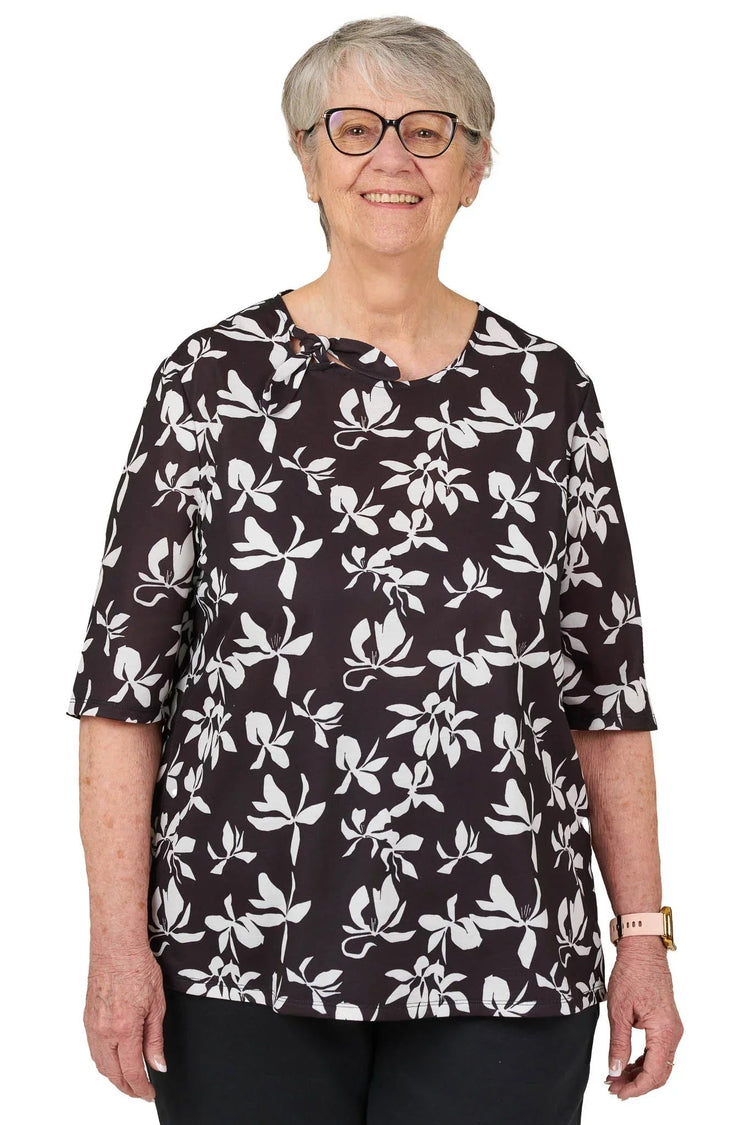
Women's Open-Back Floral Knit Shirt for Assisted Dressing
Its open-back construction allows caregivers or wearers to dress with less lifting, pulling, and maneuvering. This can be especially beneficial for individuals who wear upper-body braces, shoulder supports, arm splints, or who have limited range of motion.
The soft knit fabric provides everyday comfort while the floral design offers a stylish and cheerful appearance. By combining practicality and fashion, this shirt helps individuals feel both comfortable and confident throughout the day.
Supporting Independence Through Thoughtful Design
One of the most valuable aspects of adaptive clothing is its ability to promote independence. Clothing that is easier to put on and remove can help individuals participate more actively in their own care and daily routines.
For many people, maintaining independence is closely connected to emotional well-being and self-esteem. Even small improvements in dressing accessibility can make a meaningful difference.
Adaptive design supports independence through:
-
Simplified dressing processes.
-
Reduced caregiver assistance when possible.
-
Increased comfort during daily activities.
-
Greater confidence in personal appearance.
These benefits extend beyond convenience and contribute to overall quality of life.
Why Adaptive Sleepwear Is Important
Comfort should not end when the day does. Individuals who wear braces, splints, or orthotics may experience additional challenges when changing into sleepwear or moving comfortably during the night.
Traditional pajamas can be difficult to put on over supportive devices and may create unnecessary pressure points. Adaptive sleepwear offers a more accessible alternative that prioritizes comfort and ease of dressing.
Soft materials, accessible openings, and thoughtful construction can help create a more restful nighttime experience.
Featured Product: Men’s Open-Back Easy Dressing Sleepwear
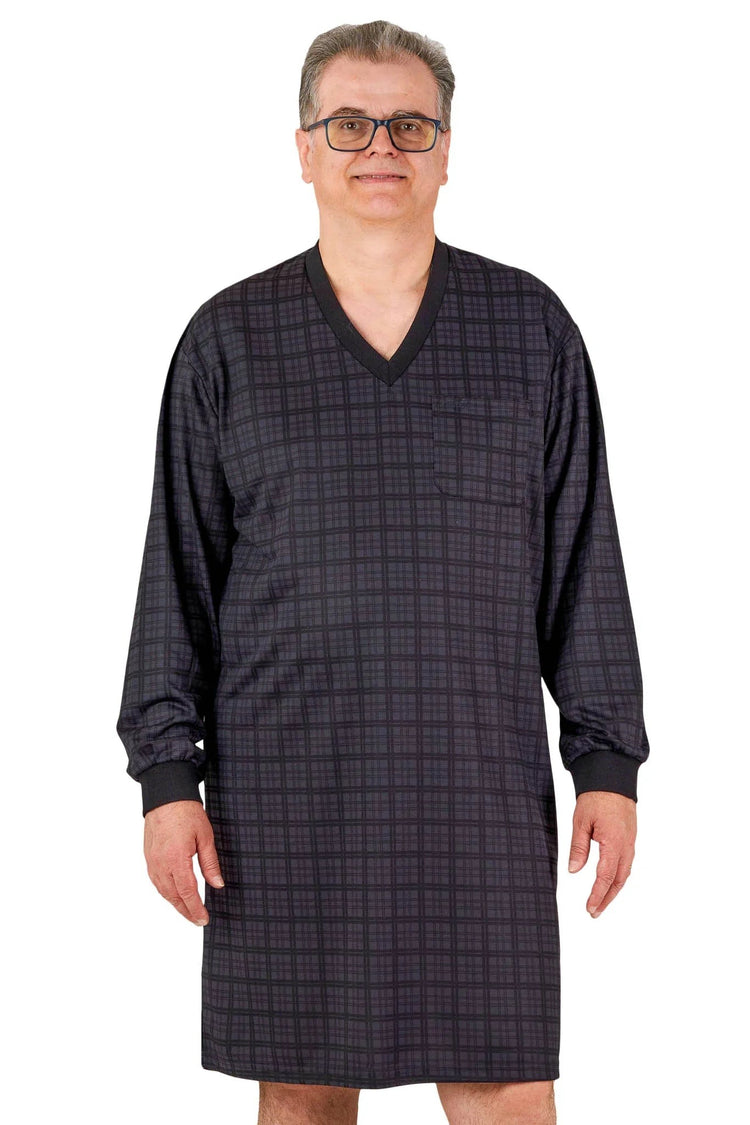
Men’s Open-Back Easy Dressing Sleepwear
The Men’s Open-Back Easy Dressing Sleepwear is designed to make nighttime routines easier and more comfortable.
Its open-back design allows for assisted dressing with minimal movement, making it particularly helpful for individuals who wear braces, orthotics, or mobility-support devices. The design helps reduce the physical effort often associated with changing clothes while promoting comfort during rest.
For caregivers, the garment simplifies dressing assistance. For wearers, it offers a more comfortable and dignified experience that supports both accessibility and relaxation.
Choosing Adaptive Clothing for Specific Needs
Every individual's experience with braces, splints, or orthotics is unique. The best adaptive clothing solutions often depend on personal preferences, mobility levels, and the type of device being used.
Consider these factors when selecting adaptive apparel:
-
Location of the brace or orthotic device.
-
Level of mobility and range of motion.
-
Fabric softness and comfort.
-
Ease of dressing and undressing.
-
Compatibility with caregiver assistance.
-
Fit and flexibility throughout the day.
Choosing clothing that accommodates both physical needs and personal style can help improve comfort and confidence.
The Growing Importance of Inclusive Fashion
The adaptive clothing industry continues to evolve as more people recognize the importance of inclusive design. Consumers increasingly expect apparel brands to create products that serve diverse needs without sacrificing quality or style.
Inclusive fashion demonstrates that accessibility and aesthetics can work together. Adaptive clothing is no longer viewed solely as a medical necessity—it is becoming an important part of a broader movement toward dignity, independence, and equal access.
As awareness grows, adaptive apparel is helping create a future where everyone can find clothing that fits their needs and lifestyle.
Creating Comfort, Confidence, and Independence
For individuals who use braces, splints, or orthotics, clothing should provide support rather than create additional challenges. Adaptive apparel helps simplify dressing routines, improve comfort, and promote greater independence in everyday life.
Products like the Women's Open-Back Floral Knit Shirt for Assisted Dressing and Men’s Open-Back Easy Dressing Sleepwear demonstrate how thoughtful design can make daily living more accessible while maintaining style and dignity. By prioritizing comfort, functionality, and inclusivity, adaptive clothing continues to improve the lives of individuals and caregivers alike.
If you enjoyed this blog, please sign up to the June Adaptive Newsletter below to receive more updates! Share your experience in our 5-minute survey to inform our new adaptive apparel launch. Get a chance to win a $50 gift card Link here