Introduction
Footwear plays a vital role in our daily lives, influencing comfort, mobility, safety, and independence. Yet for many individuals with disabilities, mobility challenges, aging-related concerns, or sensory sensitivities, traditional footwear often creates barriers rather than solutions. Adaptive footwear is helping change that reality by prioritizing accessibility, ease of use, and comfort without sacrificing style. As inclusive design continues to evolve, adaptive footwear and supportive accessories are helping more people take confident steps toward greater independence and well-being.
What Is Adaptive Footwear?
Adaptive footwear refers to shoes and foot-support products designed to meet the needs of individuals who may experience challenges with mobility, balance, dexterity, circulation, or foot health. Unlike traditional footwear, adaptive designs focus on accessibility and functionality while maintaining comfort and appearance.
Adaptive footwear may include features such as adjustable closures, wide openings, lightweight construction, seamless interiors, and slip-resistant soles. These thoughtful design elements help make dressing easier and support safer movement throughout the day.
The goal is simple: create products that work for a wider range of people without requiring special accommodations.
Why Inclusive Footwear Design Matters
Inclusive design focuses on creating products that can be used comfortably and effectively by as many people as possible. In footwear, this means considering the diverse needs of individuals with physical disabilities, chronic conditions, age-related mobility changes, and sensory sensitivities.
Foot health is closely connected to overall health and quality of life. Poorly fitting shoes, inadequate support, or slippery surfaces can increase the risk of discomfort, instability, and falls.
According to the Centers for Disease Control and Prevention (CDC), falls are one of the leading causes of injury among older adults in the United States. While many factors contribute to fall risk, supportive footwear and slip-resistant products can play an important role in promoting safety.
When inclusive design principles are applied to footwear, individuals gain greater confidence, comfort, and independence in their daily activities.
Common Challenges Traditional Footwear Can Create
Many people take putting on shoes for granted. However, for individuals with arthritis, limited hand strength, swelling, balance concerns, or mobility limitations, traditional footwear can present significant challenges.
Some common barriers include:
-
Difficult-to-manage laces and fasteners.
-
Tight openings that make shoes hard to put on.
-
Poor grip on slippery indoor surfaces.
-
Insufficient cushioning or support.
-
Friction that causes discomfort or skin irritation.
Adaptive solutions help address these challenges by making footwear easier to wear and safer to use.
The Role of Footwear in Fall Prevention
Maintaining stability while walking is important at every age, but it becomes especially critical for individuals who may have balance concerns or mobility limitations.
While no product can completely eliminate fall risk, footwear and socks designed with traction and stability in mind can help create safer walking conditions. Slip-resistant features provide additional grip on smooth indoor surfaces such as hardwood, tile, and laminate flooring.
For individuals who spend time at home without shoes, anti-slip socks can offer an effective alternative that combines comfort and safety.
Features that support safer movement include:
-
Slip-resistant grips.
-
Secure fit around the foot.
-
Comfortable cushioning.
-
Breathable materials.
-
Non-restrictive construction.
Small improvements in traction can make a meaningful difference in everyday confidence and mobility.
Why Anti-Slip Socks Are an Important Part of Adaptive Footwear
Adaptive footwear extends beyond shoes themselves. Socks play an important role in comfort, support, and safety.
Traditional socks can sometimes slide, bunch up, or provide little traction when walking on smooth floors. Anti-slip socks are specifically designed to help improve grip and stability while maintaining comfort throughout the day.
For individuals recovering from surgery, managing mobility challenges, or seeking additional support at home, anti-slip socks can provide added peace of mind.
Featured Product: Comfort Calf Crew Anti-Slip Socks (3 Pairs)
Comfort and stability come together in the Comfort Calf Crew Anti-Slip Socks (3 Pairs). Designed with slip-resistant grips, these socks help provide additional traction on indoor surfaces while maintaining all-day comfort.
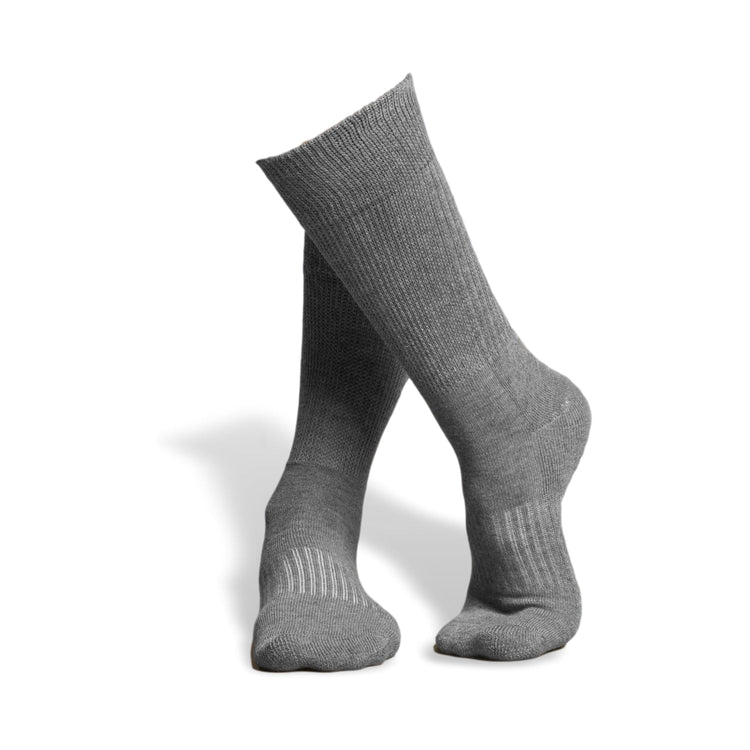
Comfort Calf Crew Anti-Slip Socks (3 pairs)
The calf-length design offers a secure fit, making them an excellent option for individuals seeking extra support during daily activities. Whether worn around the house, during rehabilitation, or as part of a daily routine, these socks help promote confidence with every step.
Their comfortable construction allows wearers to enjoy warmth and support without sacrificing mobility or ease of movement.
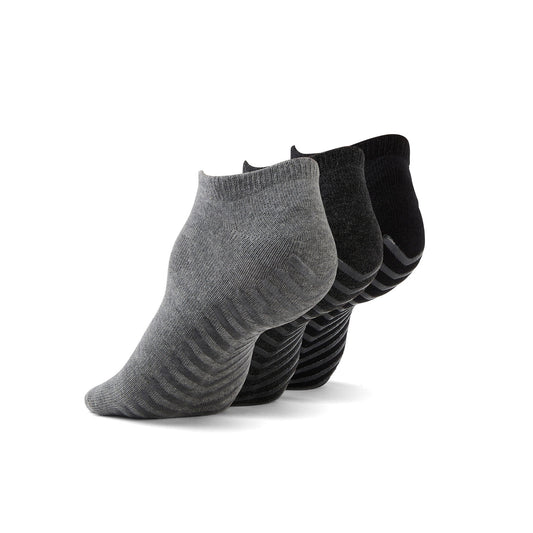
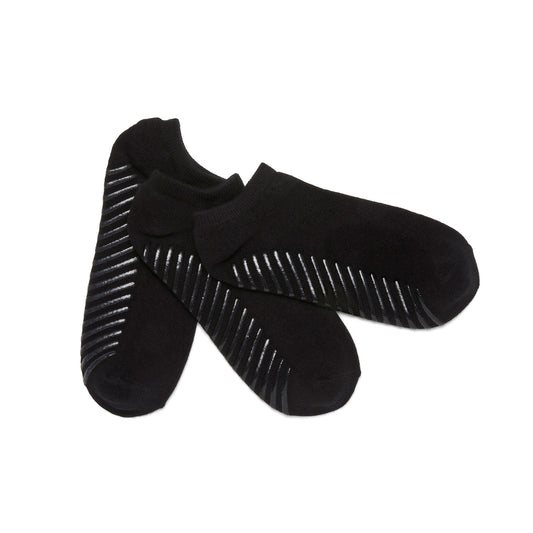
Featured Product: Ankle Anti-Slip Socks (3 Pairs)
For those who prefer a lower-profile option, the Ankle Anti-Slip Socks (3 Pairs) offer many of the same safety benefits in a lightweight, versatile design.

Ankle Anti-Slip Socks (3 pairs)
The ankle-height style makes these socks ideal for warmer weather, indoor use, or individuals who prefer less coverage around the lower leg. Slip-resistant grips help improve traction while the comfortable fit supports everyday wear.
These socks demonstrate how adaptive products can combine practicality and comfort in simple yet meaningful ways.
How Adaptive Footwear Supports Independence
One of the most important benefits of adaptive footwear is the role it plays in supporting independence. When individuals can dress more easily, move more confidently, and navigate their environments safely, they often experience greater freedom in their daily lives.
Adaptive footwear can benefit:
Individuals who may experience:
-
Arthritis or limited hand dexterity.
-
Mobility impairments.
-
Balance concerns.
-
Diabetes-related foot sensitivity.
-
Recovery from injury or surgery.
-
Age-related changes in strength and flexibility.
By reducing barriers and promoting comfort, adaptive footwear helps individuals focus on activities they enjoy rather than challenges they face.
Comfort Is More Than a Convenience
Comfort is often viewed as a luxury, but for many people it is an essential component of health and well-being.
Foot discomfort can affect posture, mobility, energy levels, and overall quality of life. Thoughtfully designed adaptive products help minimize discomfort while supporting daily activities.
Benefits of comfort-focused footwear solutions include:
-
Reduced fatigue during daily movement.
-
Greater confidence while walking.
-
Improved support and stability.
-
Enhanced independence.
-
Better overall user experience.
Inclusive design recognizes that comfort should be available to everyone.
The Future of Inclusive Footwear
As awareness of accessibility continues to grow, footwear manufacturers are increasingly embracing inclusive design principles. Innovations in materials, fit customization, adaptive closures, and safety features are making footwear more accessible than ever before.
Consumers are also demanding products that combine functionality, comfort, and style. The future of adaptive footwear is not about creating separate solutions—it is about designing products that work for a wider range of people from the beginning.
This shift represents an important step toward a more inclusive world where accessibility is integrated into everyday products.
Taking Every Step with Confidence
Adaptive footwear is about more than shoes and socks. It is about empowering individuals to move through their daily lives with comfort, safety, and independence. Thoughtful design can help reduce barriers, improve mobility, and support confidence in every step.
Products like the Comfort Calf Crew Anti-Slip Socks (3 Pairs) and Ankle Anti-Slip Socks (3 Pairs) demonstrate how simple innovations can make a meaningful difference in everyday life. By prioritizing accessibility and comfort, adaptive footwear continues to move inclusive design forward—one step at a time.
If you enjoyed this blog, please sign up to the June Adaptive Newsletter below to receive more updates! Share your experience in our 5-minute survey to inform our new adaptive apparel launch. Get a chance to win a $50 gift card Link here