By: Sara Arciero
Introduction
Pregnancy is a time of incredible change — physically, emotionally, and mentally. For women with disabilities, these changes can come with added challenges around mobility, accessibility, and comfort. The good news? Adaptive maternity wear is revolutionizing how expectant mothers dress during this transformative stage — combining thoughtful design, function, and style.
Unique Needs of Disabled Expectant Mothers
Pregnancy transforms a woman’s body in countless ways—physically, hormonally, and emotionally. For women with disabilities, however, this journey brings additional challenges that go beyond the typical pregnancy experience. Many find that mainstream maternity wear, though stretchy and comfortable for the average mother-to-be, rarely considers the diverse mobility, sensory, and dexterity needs of women with physical or neurological conditions.
For example, someone who uses a wheelchair may struggle with seams or waistbands that bunch up when seated. Others with limited arm mobility find pulling shirts overhead exhausting or impossible without assistance. Even something as basic as fastening buttons or zippers can become a daily barrier to comfort and independence.
Adaptive maternity clothing bridges that gap—offering inclusive, accessible designs that accommodate both pregnancy changes and physical limitations. Instead of a “one-size-fits-all” approach, adaptive fashion considers real bodies and real challenges, helping every woman feel dignified, stylish, and empowered throughout pregnancy.
Best Adaptive Features for Pregnancy
The best adaptive maternity pieces focus on comfort, safety, and ease of dressing—three elements that matter deeply during pregnancy. Key features include:
-
Magnetic or Velcro Closures: These replace traditional buttons and zippers, making tops and pants easier to manage, even with limited dexterity or hand strength.
-
Open-Back or Side-Access Designs: Perfect for women who cannot lift their arms easily or are recovering from C-sections or other procedures.
-
Soft, Stretchable Fabrics: Breathable cotton blends and adaptive knits that accommodate swelling, growth, or sensitive skin.
-
Tag-Free and Flat Seams: Reduce friction and discomfort for women with sensory sensitivities or nerve pain.
-
Adjustable Waistbands: For those who spend more time sitting or reclining, a smooth waistband helps prevent pressure points and allows flexibility as the belly grows.
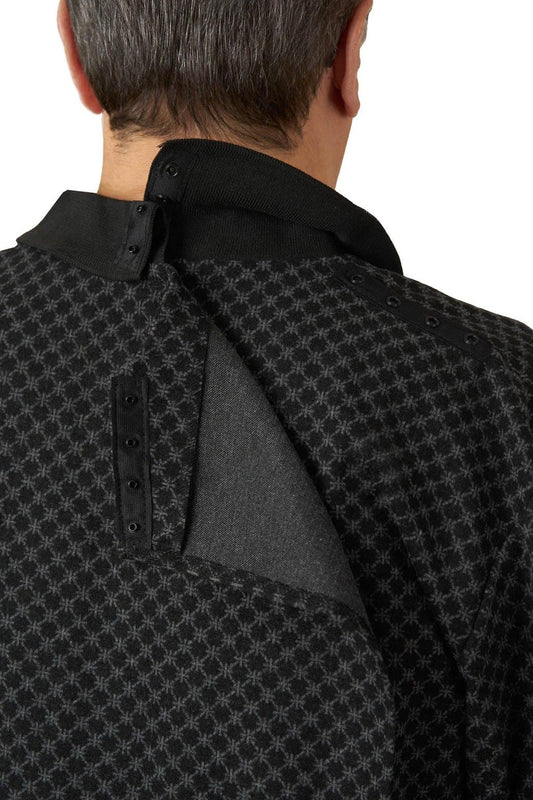
A standout piece that embodies these principles is the Women’s Notched Top with Back Overlap from June Adaptive. Designed with an elegant notched neckline and a fully open back that overlaps neatly, it eliminates the need to lift your arms—simply slide your arms through the sleeves and secure it from behind. For pregnant women with shoulder or upper-body mobility challenges, this thoughtful construction provides independence without sacrificing style. The flowing fabric also accommodates a growing belly and feels soft against sensitive skin, making it ideal for every trimester.

Where to Find Maternity Adaptive Clothing
For years, adaptive clothing options were limited to medical suppliers, where function often came at the cost of fashion. Fortunately, the industry has changed dramatically. Brands like June Adaptive are leading a quiet revolution—creating clothing that is practical, dignified, and genuinely stylish.
June Adaptive curates clothing that meets the everyday needs of people with limited mobility, dexterity challenges, or sensory sensitivities, while maintaining a timeless sense of style. Their designs work seamlessly for expectant mothers with disabilities, as they prioritize features such as easy closures, soft stretch fabrics, and back-opening designs.
For instance, their Women’s Cardigan with Open Back combines warmth, sophistication, and accessibility. The cardigan opens fully at the back with overlapping panels secured by hidden fasteners, allowing women to slip it on without struggling to reach behind or over the shoulders. During pregnancy, it functions beautifully as a light outer layer—soft enough to wear indoors and structured enough to look polished for outings or hospital visits. It’s a layering essential that transitions effortlessly from early pregnancy to postpartum recovery.

Beyond June Adaptive, more mainstream brands are slowly embracing adaptive fashion—though few match the same thoughtful detailing. When shopping for maternity clothing, look for brands that explicitly mention adaptive or accessibility features, or collaborate with adaptive fashion designers.
How to Dress Wounds While Staying Stylish
Some pregnancies involve medical procedures or complications—such as C-sections, catheter placements, or ongoing wound care that require careful consideration when dressing. The goal is to protect sensitive areas without compromising comfort or aesthetics.
Adaptive maternity clothing supports wound care by providing strategic openings and gentle fabrics. For example:
-
Back-overlap tops and side-access blouses make it easy to dress without disrupting dressings or sutures.
-
Loose silhouettes minimize pressure on abdominal or hip incisions.
-
Soft knits and moisture-wicking materials help prevent irritation, particularly around surgical sites.
A perfect addition to this wardrobe is the Women’s Cozy Plush Shawl—a soft, wrap-style piece ideal for recovery or rest days. It slips on effortlessly, keeping the upper body warm without restricting movement or rubbing against healing areas. Pregnant women who use wheelchairs or spend more time seated appreciate its generous drape and easy adjustability. It’s both a comforting garment and a fashionable accessory—perfect for moments when comfort is as important as confidence.

When styling adaptive recovery pieces, opt for monochrome tones or neutral colours that can be layered. A back-open cardigan paired with soft leggings or maternity joggers offers both convenience and chic simplicity. Remember: recovery wear doesn’t need to feel clinical—it can be cozy, elegant, and empowering.
Transition Pieces That Work for Multiple Stages
A key advantage of adaptive maternity clothing is versatility. The best pieces evolve alongside a mother’s changing needs—from the first trimester to postpartum recovery and beyond.
Transitional adaptive wear allows you to move seamlessly between stages of motherhood:
-
First Trimester: Comfort and breathability matter most. Adaptive tops with stretch fabrics and easy closures help accommodate early bloating and fatigue.
-
Second Trimester: As mobility decreases and balance changes, side- or back-open designs reduce strain during dressing.
-
Third Trimester: Supportive leggings and tops that don’t require bending or lifting arms are essential.
-
Postpartum: Pieces with nursing-friendly access or recovery-focused features (like soft overlaps or adjustable fits) help mothers heal comfortably.
June Adaptive’s Women’s Cardigan with Open Back doubles as a transitional staple—it’s perfect during pregnancy, ideal for hospital stays, and practical for postpartum life. Likewise, the Women’s Notched Top with Back Overlap can easily pair with nursing tanks or soft undershirts for postpartum wear, showing that adaptive fashion can truly last beyond the bump.
Pairing these with the Women’s Cozy Plush Shawl creates a complete ensemble that’s as functional as it is beautiful: easy to put on, gentle on the skin, and effortlessly elegant for both hospital recovery and casual outings.
How to Modify Existing Adaptive Wear
Not every expectant mother wants—or can afford—an entirely new wardrobe. Luckily, many adaptive features can be added to existing maternity pieces with a few simple modifications:
-
Velcro Replacements: Swap small buttons for Velcro or magnetic closures to make dressing easier.
-
Side Zippers or Snaps: Add discreet openings to the sides of tops or dresses for medical access or easier nursing.
-
Elastic Inserts: Insert soft elastic panels into waistbands for added comfort while seated or during the late stages of pregnancy.
-
Tag Removal: Removing internal tags and opting for seamless underlayers can make clothing more sensory-friendly.
Another clever adaptation is layering existing maternity clothing with adaptive outerwear—like the Women’s Cozy Plush Shawl—to add warmth without complicated closures or tight fits.
Remember, adaptive clothing is not only about accessibility—it’s about empowerment. Whether you’re sewing your own modifications or investing in ready-made adaptive options, the goal is the same: ensuring that comfort, independence, and confidence coexist throughout pregnancy.
Postpartum Adaptive Clothing Options
After birth, recovery clothing becomes just as vital as maternity wear. New mothers—especially those with disabilities or post-surgical needs—benefit from pieces that accommodate both mobility challenges and the realities of postpartum healing.
Adaptive postpartum wear focuses on:
-
Gentle abdominal support without tight compression.
-
Front-open or back-overlap tops for breastfeeding or wound care.
-
Soft, breathable fabrics that adjust to fluctuating body temperatures and sensitivities.
Here, the Women’s Notched Top with Back Overlap once again stands out as a postpartum essential. It’s not only easy to wear but also allows caregivers or partners to assist without discomfort. The design is discreet enough to layer under shawls or cardigans for nursing or lounging at home. Pairing it with the Cardigan with Open Back creates a beautiful two-piece look that’s functional and flattering—ideal for those early weeks of rest and recovery.
The Cozy Plush Shawl, meanwhile, serves as a nurturing layer for late-night feedings, cuddles, or hospital stays—adding warmth and dignity to a vulnerable time.
Ultimately, postpartum adaptive clothing empowers mothers to heal, bond, and regain their independence in comfort and style.
Redefining Maternity Fashion for Every Body
Pregnancy and disability should never be barriers to comfort or self-expression. Adaptive maternity wear merges functionality with beauty—allowing every expectant mother to dress with ease, confidence, and pride. Brands like June Adaptive are showing that accessibility and elegance can coexist, transforming what was once a clinical necessity into a celebration of inclusivity.
Whether it’s the Notched Top with Back Overlap for easy dressing, the Cardigan with Open Back for warmth and flexibility, or the Cozy Plush Shawl for effortless comfort—these adaptive pieces remind us that every mother deserves clothing that supports her journey from hospital to home, and beyond.
For more insights delivered to your inbox, scroll to the very bottom left to sign up