Written by Samantha Jafar
⏳5 minutes of your time could win you a $50 gift card! 🎉Help us design our new adaptive apparel launch by sharing your experience. 👕 Link Here 👈
Introduction
For decades, accessibility in the beauty industry was treated as an afterthought, something addressed only after products reached the market. Today, that dynamic is changing rapidly. Consumers with disabilities are increasingly advocating for better design, clearer labeling, and more inclusive product development.

Embrace The Stripes Of Uniqueness - Kids Hoodie
Consumer Activism and Brand Accountability
Consumer advocacy has always played a role in shaping industries, but digital platforms have amplified its impact dramatically. In the beauty sector, consumers with disabilities are increasingly holding brands accountable for accessibility gaps in product design, packaging, and marketing.
Accessible beauty means more than diverse advertising. It includes practical considerations such as:
-
Packaging that can be opened with limited grip strength
-
Labels that are readable for people with low vision
-
Products that can be applied one-handed
-
Pump mechanisms that require minimal pressure
When these needs are overlooked, consumers often speak out publicly. Advocacy posts, product reviews, and accessibility breakdowns can quickly gain traction online, bringing visibility to barriers that may have gone unnoticed by design teams.
This shift reflects a broader cultural trend toward consumer-driven accountability. Shoppers today expect companies to demonstrate social responsibility and inclusive values. Inaccessible products are increasingly seen not just as design oversights but as missed opportunities for innovation.
For brands willing to listen, advocacy can become a powerful learning tool. Feedback from people with lived experience often reveals usability insights that traditional market research might miss.
Social Media Campaigns Highlighting Accessibility Gaps
Social media has become one of the most powerful tools for disability advocacy in the beauty industry. Platforms like TikTok, Instagram, and YouTube allow individuals to document real-life experiences with products and share them with large audiences.
Content creators with disabilities frequently post demonstrations showing how certain packaging designs create barriers. For example:
-
A tightly sealed jar that requires two strong hands to open
-
Small cosmetic tubes that are difficult to grip
-
Pumps that require excessive force to dispense product
-
Products with identical packaging that are impossible to distinguish without visual cues
These demonstrations are not meant to shame brands but to highlight design realities that many companies may not have considered.
Some of the most effective social media advocacy includes:
-
Accessibility product reviews explaining how usable a product is in everyday life
-
Side-by-side demonstrations comparing accessible and inaccessible packaging
-
Educational videos explaining mobility or sensory challenges that affect product use
These posts often resonate beyond the disability community. Many viewers realize they’ve experienced similar frustrations during temporary injuries, illness, or aging-related mobility changes.
As accessibility advocates often point out, inclusive design benefits far more people than initially expected.

Why Social Media Advocacy Works
Several factors make social media a particularly effective advocacy tool:
-
Visual demonstrations: Short videos clearly show accessibility barriers in real time.
-
Community amplification: Disability creators often share and support each other’s content.
-
Direct brand visibility: Companies can quickly see feedback from real users.
The result is an environment where accessibility discussions are happening publicly and consistently.
Writing to Brands and Providing Constructive Feedback
While public advocacy plays an important role, many accessibility improvements begin with something simpler: direct communication.
Consumers with disabilities frequently reach out to companies through emails, feedback forms, or customer service channels. These messages often provide thoughtful, constructive suggestions for improving product usability.
Constructive feedback might include observations such as:
-
Packaging lids requiring too much torque to open
-
Labels that lack sufficient color contrast for readability
-
Pumps that require significant hand strength
-
Small print instructions that are difficult for low-vision users
Rather than simply pointing out flaws, many advocates offer practical solutions.
For example, feedback may suggest:
-
Adding textured grip surfaces
-
Increasing font size and contrast
-
Incorporating tactile identifiers on packaging
-
Reducing pump pressure requirements
In many cases, companies genuinely appreciate this feedback. Product development teams are often eager to learn how designs perform outside laboratory testing environments.
Accessible design improves when real-world experiences are incorporated into the development process.
Practical Ways Consumers Advocate for Accessibility
Advocacy can take many forms, and individuals choose approaches that feel comfortable and effective. Common methods include:
-
Writing respectful feedback emails to brands
-
Participating in accessibility surveys
-
Sharing detailed product reviews online
-
Engaging in community discussions about usability
Each form of feedback contributes to a broader conversation about inclusive design.

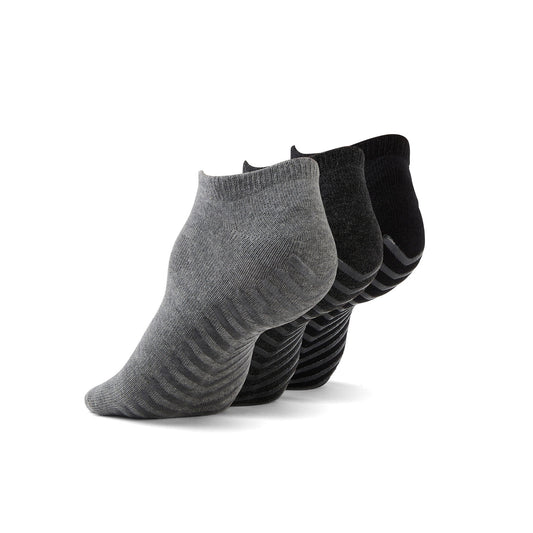
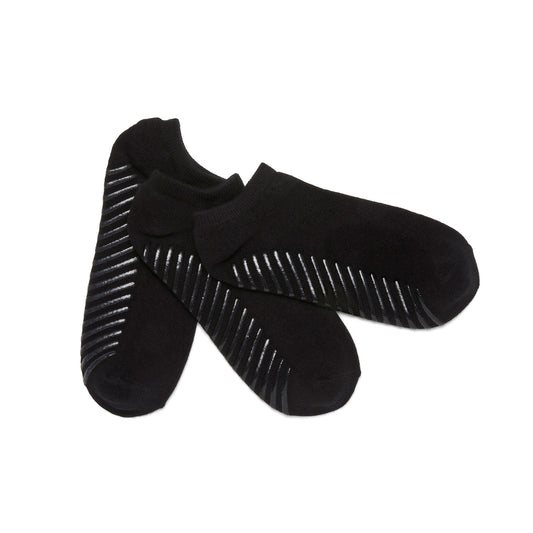
Everyday Crew Anti-Slip Socks (3 pairs)
Supporting Disability-Led Businesses
One of the most powerful ways consumers advocate for accessibility is by supporting businesses founded and led by people with disabilities.
Disability-led companies often approach product development differently. Instead of retrofitting accessibility into existing designs, they begin with lived experience as the foundation.
These companies understand firsthand how barriers affect daily routines. As a result, their products often incorporate thoughtful features such as:
-
Easy-open packaging
-
Ergonomic grips
-
High-contrast labeling
-
Simplified application processes
Supporting disability-led businesses also helps shift the broader market. When these companies succeed, they demonstrate the economic value of inclusive design.
In turn, larger brands take notice.
According to research from the American Institutes for Research, the disability market in the United States represents over $490 billion in disposable income. When friends and family members are included, the influence of disability-inclusive purchasing decisions grows even larger.
This means accessibility is not just a social issue—it’s also a significant economic opportunity.
Ways Consumers Support Inclusive Businesses
Consumers who want to promote accessibility often:
-
Purchase products from disability-led brands
-
Share those businesses on social media
-
Recommend inclusive companies to friends and family
-
Leave positive reviews highlighting accessible features
These actions help amplify companies that prioritize inclusive design.
Celebrating Wins and Pushing for Continued Progress
Advocacy isn’t only about identifying problems. It’s also about recognizing progress.
Over the past decade, several beauty brands have taken meaningful steps toward accessibility. Some companies have introduced braille labeling, ergonomic packaging, or adaptive tools designed for people with mobility challenges.
These improvements deserve recognition.
Celebrating accessibility wins encourages further innovation across the industry. When companies see positive responses to inclusive design, they are more likely to continue investing in accessibility improvements.
However, advocates also emphasize that progress should be ongoing. Accessibility is not a single milestone, it’s an evolving process.
As new technologies, materials, and user insights emerge, products can continue to improve.
What Progress in Accessible Beauty Can Look Like
Examples of accessibility advancements include:
-
Packaging designed for one-handed use
-
Magnetic closures that reduce fine motor strain
-
Larger, high-contrast labels for improved readability
-
Voice-assisted or smart packaging technology
Each innovation moves the industry closer to truly inclusive design.
The Growing Influence of Disability Advocacy
The influence of disability advocacy in the beauty industry is likely to grow in the coming years. Demographic trends are contributing to this shift.
The U.S. Census Bureau projects that by 2034, adults aged 65 and older will outnumber children in the United States for the first time in history. Aging populations often experience mobility limitations, reduced grip strength, and changes in vision.
Accessible product design will become increasingly important as these needs grow.
Advocacy efforts today are helping prepare the industry for that future.
Brands that embrace accessibility now position themselves as leaders in inclusive innovation.
June Adaptive’s Commitment to Listening and Learning
At June Adaptive, we believe accessibility begins with listening.
Conversations within disability communities, whether through social media, surveys, or direct feedback, offer invaluable insights into how products perform in real life.
Consumer advocacy helps highlight gaps that designers may not initially see. It also encourages brands to approach accessibility as an ongoing collaboration rather than a one-time initiative.
Inclusive innovation is strongest when companies and communities work together.
When consumers with disabilities advocate for accessibility, they are not simply requesting accommodations; they are shaping the future of design.
And that future benefits everyone.
If you enjoyed this blog, please sign up to the June Adaptive Newsletter below to receive more updates! Share your experience in our 5-minute survey to inform our new adaptive apparel launch. Get a chance to win a $50 gift card Link here