Written by Samantha Jafar
⏳5 minutes of your time could win you a $50 gift card! 🎉Help us design our new adaptive apparel launch by sharing your experience. 👕 Link Here 👈
Introduction
Inclusive beauty is no longer just about shade ranges or representation in advertising, it’s about usability, independence, and dignity. With more than 61 million adults in the United States living with a disability, according to the Centers for Disease Control and Prevention (CDC), accessible design must begin long before a product reaches the shelf. That’s where co-creation comes in.
Designing with people with disabilities, rather than for them, ensures that accessibility is embedded from day one. In the beauty industry especially, this shift is reshaping how products are imagined, tested, and brought to life.

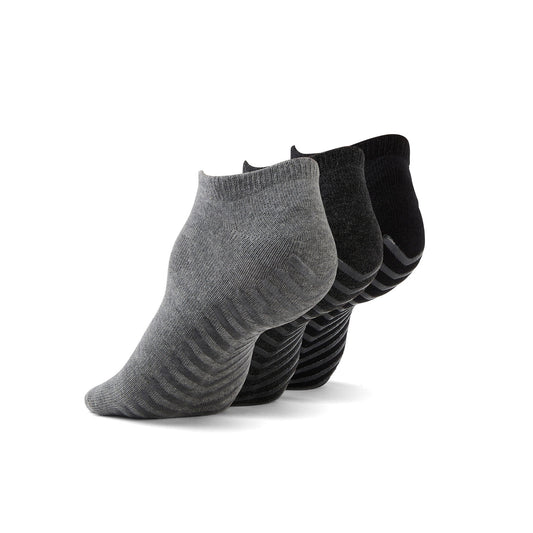
Kid's Pink Multi Anti-Slip Socks (4 pairs)
Participatory Design Involving People with Disabilities from Inception
Participatory design means involving end users directly in the creation process from the earliest stages. Instead of asking for feedback after a prototype is complete, brands invite people with disabilities into brainstorming sessions, packaging development, and usability testing.
This approach aligns with principles long promoted by disability rights advocates and reinforced by the Americans with Disabilities Act (ADA), administered by the U.S. Department of Justice. While the ADA focuses on civil rights and accessibility in public life, its spirit of inclusion has influenced how companies approach design.
In beauty, participatory design can look like:
-
Hosting collaborative workshops with individuals who have limited grip strength
-
Testing packaging torque levels with people who experience arthritis
-
Evaluating label readability with low-vision participants
-
Observing one-handed makeup application in real time
When people with disabilities are involved from the beginning, brands often uncover insights that internal teams would miss.
For example:
-
A dropper bottle may look elegant but require two steady hands.
-
A pump might technically work but demand too much pressure during a flare-up.
-
A mirrored compact might be inaccessible when positioned too low for wheelchair users.
Participatory design doesn’t just fix problems—it prevents them.
This model also aligns with universal design principles promoted by U.S.-based institutions such as the Center for Universal Design at North Carolina State University, which emphasizes products usable by the widest range of people possible.
In accessible beauty, that means designing for real bathrooms, real routines, and real dexterity differences.
Advisory Boards and Ongoing Feedback Mechanisms
Co-creation is not a one-time focus group. It’s an ongoing relationship.
Many forward-thinking brands establish disability advisory boards composed of individuals with lived experience across mobility, sensory, and cognitive disabilities. These boards provide structured feedback throughout product development and marketing.
An effective advisory board often includes:
-
People with diverse disability types
-
Occupational therapists or accessibility specialists
-
Caregivers with hands-on experience
-
Representatives across age groups
Advisory boards help companies avoid reactive design. Instead of responding to public criticism after launch, brands can proactively address barriers.
Beyond formal boards, ongoing feedback mechanisms are critical:
-
Anonymous usability surveys
-
Beta testing programs
-
Virtual Q&A sessions with product developers
-
Accessibility audits before release
Consistent engagement builds trust. It signals that accessibility is a core value—not a seasonal campaign.
At June Adaptive, we believe innovation is strongest when feedback loops stay open. A product’s first version should never be its final form. Accessibility evolves as users share their experiences.

Restore Yourself- Gender Neutral Crewneck Sweatshirt
Compensating Disability Consultants Fairly
One of the most important, and sometimes overlooked, elements of co-creation is fair compensation.
People with disabilities bring professional expertise rooted in lived experience. That insight deserves payment, not just gratitude.
The U.S. Department of Labor emphasizes fair pay standards across industries, and ethical collaboration models mirror those principles. When brands invite disability consultants into product development, compensation should reflect:
-
Time spent in testing and workshops
-
Intellectual contributions to design improvements
-
Advisory roles over extended periods
-
Public-facing ambassador responsibilities
Compensation models may include:
-
Hourly consulting rates
-
Project-based fees
-
Retainers for advisory board membership
-
Royalties for co-developed products
Fair pay accomplishes more than equity, it strengthens outcomes. When consultants are treated as valued collaborators, not token participants, engagement deepens.
It also counters a harmful trend where people with disabilities are asked to “share their story” for exposure rather than professional recognition.
In accessible beauty and adaptive fashion, lived experience is a design credential.
Building Long-Term Partnerships with Disability Communities
Co-creation should extend beyond a single product launch. Long-term partnerships with disability communities foster meaningful, sustainable change.
These partnerships might include collaborations with national advocacy organizations, local community groups, or digital disability creators who specialize in product reviews.
Long-term relationships often involve:
-
Recurring product testing cycles
-
Ongoing education sessions for internal teams
-
Collaborative awareness campaigns
-
Community-led accessibility reports
Trust builds over time. And trust matters deeply in disability communities, which have historically been overlooked or misrepresented in mainstream product development.
Brands that invest in long-term collaboration demonstrate:
-
Accountability
-
Humility
-
Commitment to learning
-
Willingness to iterate
This approach also aligns with corporate social responsibility principles and inclusive innovation models increasingly recognized in U.S. business leadership circles.
For adaptive beauty and hygiene products, long-term engagement ensures evolving needs are addressed, especially as users age or manage progressive conditions.
At June Adaptive, we view partnership as a shared journey. The goal is not just to launch accessible products—but to refine them alongside the community.
Transparency in Acknowledging Disability Expertise in Product Development
Transparency is the final, and essential, piece of co-creation.
When brands collaborate with disability consultants, they should openly acknowledge those contributions. Transparency builds credibility and challenges the myth that accessible design emerges from internal teams alone.
This can include:
-
Naming advisory board members (with consent)
-
Sharing behind-the-scenes design stories
-
Explaining which accessibility standards guided development
-
Publishing usability testing insights
Transparency also extends to limitations. If a product cannot yet meet certain accessibility needs, honesty fosters trust.
Consumers increasingly expect this openness. According to surveys from U.S.-based market research firms, shoppers are more likely to support brands that communicate their values clearly and authentically.
Clear acknowledgment might look like:
-
“Developed in collaboration with individuals living with arthritis.”
-
“Tested by wheelchair users for one-handed application.”
-
“Designed with input from low-vision consultants.”
Such statements reinforce that disability expertise is integral, not incidental.

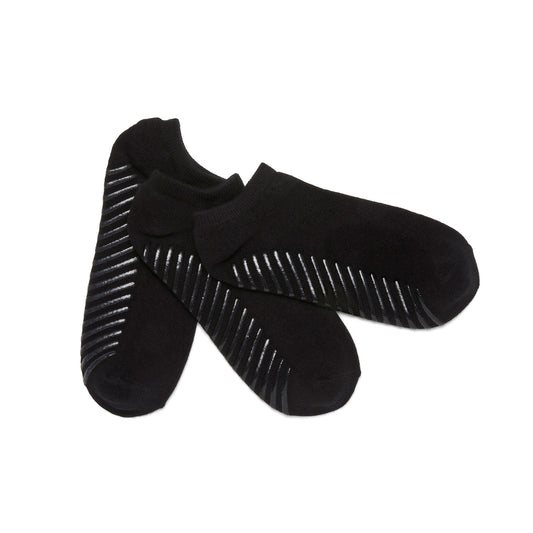
Kid's Blue Multi Anti-Slip Socks (4 pairs)
Practical Takeaways for Inclusive Beauty Brands
For brands looking to implement co-creation models, here are foundational steps:
-
Start early: Invite disability voices at the concept stage, not post-production.
-
Budget for accessibility: Allocate funds for consulting and testing from the outset.
-
Diversify feedback: Include multiple disability perspectives to avoid one-dimensional solutions.
-
Commit long-term: Accessibility is iterative, not a marketing cycle.
These practices do more than improve products, they shift company culture.
Why Co-Creation Is the Future of Accessible Beauty
As the U.S. population ages—projected by the U.S. Census Bureau to see adults 65 and older outnumber children by 2034—mobility and dexterity limitations will become increasingly common. Designing beauty and hygiene products that are easy to open, hold, and apply benefits millions.
Co-creation models help ensure these needs are met with nuance and respect.
Accessible innovation is not charity. It is smart design.
When people with disabilities lead conversations around usability, the results often include:
-
Reduced packaging strain
-
Improved label clarity
-
Streamlined routines
-
Greater independence
At June Adaptive, we believe that accessible design begins with listening and grows through collaboration. Our commitment to inclusive innovation means valuing lived experience as professional expertise.
Co-creation transforms accessibility from an afterthought into a foundation.
And when accessibility becomes foundational, everyone benefits.
If you enjoyed this blog, please sign up to the June Adaptive Newsletter below to receive more updates! ⏳5 minutes of your time could win you a $50 gift card! 🎉Help us design our new adaptive apparel launch by sharing your experience. 👕 Link Here 👈