Antioxidants in Sensitive Skin Products: Protection Without Irritation
⏳5 minutes of your time could win you a $50 gift card! 🎉Help us design our new adaptive apparel launch by sharing your experience. 👕 Link Here 👈
Sensitive skin can feel like it has a personality of its own. One new product, one harsh cleanser, or one unexpected fragrance can turn a normal routine into redness, stinging, or discomfort. Antioxidants are often promoted as “anti-aging” ingredients, but for reactive skin, their real value is protection, balance, and barrier support. When used thoughtfully, antioxidants can help sensitive skin defend itself without adding unnecessary irritation.
Common Antioxidants Safe for Reactive Skin: Vitamin C, E, Resveratrol
Antioxidants help neutralize unstable molecules called free radicals, which can be generated by UV exposure, pollution, and normal cellular processes. Harvard Health explains that free radicals can damage the skin, while topical vitamin C can help combat free radicals and support the skin’s appearance.
For sensitive skin, though, the question is not just “Does this ingredient work?” It is also “Can my skin tolerate it?” That is where formulation matters. A powerful ingredient in the wrong concentration, wrong pH, or wrong product base may feel too intense for reactive skin.
Some of the most common antioxidants used in sensitive skin products include:
-
Vitamin C: Known for antioxidant protection and supporting collagen-related skin health. The Linus Pauling Institute at Oregon State University notes that vitamin C has antioxidant properties and plays a role in collagen synthesis, both of which make it important for skin health.
-
Vitamin E: A fat-soluble antioxidant often used in moisturizers, oils, and barrier-supporting formulas. It is frequently paired with vitamin C because the two can complement each other in antioxidant protection.
-
Resveratrol: A plant-derived polyphenol found in sources like grapes and berries. Research published through the National Institutes of Health has discussed resveratrol’s potential role in skin aging, photoaging, regeneration, and wound-related processes.
-
Niacinamide: Not always introduced as an antioxidant first, but often used in sensitive skin products because it can support barrier comfort, uneven tone, and visible redness.
The key is gentleness. For reactive skin, a lower-strength antioxidant used consistently may be better than a high-strength formula that causes stinging, peeling, or a “my face is on fire” moment. Skincare should not feel like a dare.
At June Adaptive, we think about comfort in a similar way. A garment can be beautifully designed, but if the seam rubs, the closure is difficult, or the fabric irritates the skin, it does not truly serve the person wearing it. Sensitive skin products follow the same principle: performance matters, but comfort matters too.
Reactive Oxygen Species and Skin Aging
Reactive oxygen species, often shortened to ROS, are unstable oxygen-containing molecules. In small amounts, they are part of normal biological processes. But when ROS build up beyond what the body’s natural defenses can manage, they contribute to oxidative stress.
Oxidative stress is closely connected to skin aging. A National Institutes of Health review explains that oxidative stress plays a major role in aging human skin, especially extrinsic aging caused by external factors like UV exposure. Another NIH-indexed review explains that the skin has a protective antioxidant network, including enzymes like superoxide dismutase and glutathione peroxidase, that helps defend against oxidative stress.
In everyday terms, oxidative stress is like background wear and tear. You may not see it after one walk outside, one stressful week, or one day in dry indoor air. But over time, it can contribute to visible changes like dullness, uneven tone, fine lines, and a weaker-looking skin barrier.
Sensitive skin can make this more complicated because it may already be more reactive to environmental triggers. Sun exposure, dry air, over-cleansing, friction from clothing, or irritating product ingredients can all make the skin feel more uncomfortable.
For people who rely on adaptive clothing or accessible products, skin comfort can be especially important. Someone who uses a wheelchair may experience more friction or pressure in certain areas. Someone with limited mobility may need clothing that is easier to put on without tugging. Someone with chronic illness, aging-related skin changes, or caregiver-supported routines may need fabrics and skincare products that reduce irritation rather than add to it.
Antioxidants are not a magic shield, but they can be part of a practical protection strategy. Think of them as one layer in a larger comfort system that may also include sunscreen, gentle cleansing, moisturizing, soft fabrics, accessible closures, and clothing that respects the body’s needs.
Stabilized Formulations Preventing Oxidative Degradation
One of the biggest challenges with antioxidant skincare is stability. Some antioxidants, especially certain forms of vitamin C, can break down when exposed to light, air, heat, or the wrong formula environment. When a product oxidizes, it may become less effective and, in some cases, more irritating.
This is why packaging and formulation design matter so much. A great antioxidant product is not just about what is listed on the label. It is also about whether the ingredient stays active and usable by the time it reaches your skin.
Stabilized antioxidant formulas may use:
-
Airless pumps or tubes: These reduce repeated exposure to air, which can help protect oxidation-sensitive ingredients.
-
Opaque or dark packaging: This helps limit light exposure, especially for formulas containing vitamin C.
-
Gentler derivatives: Some products use vitamin C derivatives instead of pure L-ascorbic acid to improve tolerability or stability.
-
Supportive formula bases: Moisturizing ingredients, barrier-supportive lipids, and soothing agents can make antioxidant products feel more comfortable on sensitive skin.
This is where inclusive design becomes more than a buzzword. Packaging should protect the formula, but it should also be usable. A tiny glass dropper may look elegant on a bathroom counter, but it can be difficult for someone with arthritis, tremors, low vision, limited grip strength, or fatigue. An airless pump with clear labeling and an easy press can be both skin-smart and access-smart.
The same thinking guides adaptive apparel. A closure is not helpful if it is technically “innovative” but still hard to use. A skincare product is not truly inclusive if it has excellent ingredients but packaging that many people cannot open.
For sensitive skin, stability and accessibility should work together. The best product is the one that stays effective, feels good, and can actually be used consistently.
Synergistic Antioxidant Combinations
Antioxidants often work best as a team. Instead of relying on one ingredient to do everything, many formulas combine antioxidants that support different parts of the skin’s defense system.
Vitamin C and vitamin E are one of the most recognized combinations. Vitamin C is water-soluble, while vitamin E is fat-soluble, which means they function in different environments within the skin. Some formulas also include ferulic acid, another antioxidant used to support formula performance and antioxidant defense.
For reactive skin, synergy can be helpful because a well-designed blend may allow the formula to work effectively without depending on an overly aggressive concentration of one ingredient. In other words, teamwork can be gentler than intensity.
Common antioxidant pairings include:
-
Vitamin C + Vitamin E: A classic combination for antioxidant protection and skin appearance.
-
Vitamin C + Ferulic Acid: Often used in brightening and environmental defense formulas.
-
Resveratrol + Vitamin E: A gentler-feeling pairing sometimes used in nighttime or calming products.
-
Niacinamide + Antioxidants: Helpful when a formula is designed for barrier support, uneven tone, and visible redness.
A good sensitive skin product should also consider what it leaves out. Fragrance, harsh exfoliating acids, drying alcohols, and too many active ingredients at once can be a problem for reactive skin. The American Academy of Dermatology recommends simplifying an anti-aging routine and giving products time to work, rather than layering too many active ingredients at once.
This is a useful reminder: more skincare does not always mean better skincare. Sometimes the most effective routine is the one your skin can tolerate every day.
Addressing Inflammation Through Antioxidant Protection
Inflammation is part of the body’s defense system, but when skin is frequently irritated, it can show up as redness, itching, burning, tightness, or tenderness. Antioxidants can help support the skin against oxidative stress, which is linked to inflammatory pathways and visible signs of aging.
Sensitive skin is often described by how it feels: “It stings.” “It burns.” “It gets red so easily.” “Everything makes me break out.” These experiences are real, and they can affect confidence, comfort, and daily routines.
Antioxidant protection may help by supporting the skin’s resilience against environmental stressors. But the foundation still matters. If a person is using a harsh cleanser, skipping moisturizer, wearing irritating fabrics, or applying too many strong actives, antioxidants alone will not solve the problem.
For a calmer routine, consider:
-
Start slowly: Use a new antioxidant product a few times a week before moving to daily use.
-
Patch test first: Apply a small amount to a limited area before using it widely.
-
Pair with moisturizer: Sensitive skin often tolerates active ingredients better when the barrier is supported.
-
Use sunscreen daily: Antioxidants support protection, but they do not replace sunscreen. Cleveland Clinic recommends a simple anti-aging routine that includes vitamin C, moisturizer, and SPF 30 or higher sunscreen.
This practical approach is especially important for people with accessibility needs. A routine should not require 12 steps, tiny caps, complicated timing, or products that are painful to apply. A thoughtful routine should fit into real life.
At June Adaptive, we believe design should reduce friction. That can mean clothing with easier closures, softer fabrics, seated-friendly fits, and adaptive features that support independence. In skincare, it can mean gentle formulas, clear instructions, easy-open packaging, and routines that respect sensitive skin.
How Antioxidant Skincare Connects to Adaptive Living
Sensitive skin care and adaptive fashion may seem like separate worlds, but they meet in daily routines. Getting dressed, bathing, applying moisturizer, managing medical devices, dealing with pressure points, and choosing comfortable fabrics are all part of the same experience: living in a body that deserves care.
For example, someone with eczema-prone or reactive skin may avoid certain fabrics because they feel scratchy. Someone recovering from surgery may need clothing that does not rub against healing skin. Someone with limited dexterity may need both adaptive apparel and skincare packaging that is easier to use. Someone with aging skin may need softer garments and a routine that supports the skin barrier without irritation.
Antioxidants can support this bigger picture by helping protect skin from oxidative stress and visible environmental damage. But the most empowering approach combines skincare knowledge with inclusive product design.
That means asking better questions:
-
Is this product gentle enough for reactive skin?
-
Is the packaging easy to open and hold?
-
Are the instructions clear?
-
Does the clothing reduce pulling, rubbing, and pressure?
-
Does the routine support independence rather than making daily care more complicated?
When brands think this way, accessibility becomes part of the design process from the beginning, not an afterthought.
Choosing Antioxidant Products for Sensitive Skin
When shopping for antioxidant skincare, the ingredient list can feel like a chemistry exam. But you do not need to memorize every compound to make better choices.
Look for products that clearly state they are made for sensitive skin, fragrance-free, dermatologist-tested, or barrier-supportive. These terms are not perfect guarantees, but they can help narrow the field. Pay attention to how your skin responds over time. A product that works beautifully for someone else may not be right for you, and that is okay.
A sensitive-skin-friendly antioxidant product often has a few things in common:
-
A gentle antioxidant base: Vitamin C derivatives, vitamin E, resveratrol, niacinamide, or other calming antioxidants.
-
Barrier support: Ingredients like ceramides, glycerin, hyaluronic acid, or nourishing lipids.
-
Low-irritation design: Minimal fragrance, fewer harsh actives, and a texture that does not sting.
-
Accessible packaging: Pumps, larger caps, readable labels, and containers that do not require strong grip strength.
It is also smart to introduce only one new product at a time. That way, if your skin reacts, you have a better chance of knowing what caused it.
Protection Without Irritation
The best antioxidant products for sensitive skin do not try to overpower the skin. They support it. They help defend against environmental stress while respecting the barrier, the person, and the routine.
That is the heart of inclusive innovation too. Whether we are talking about skincare, adaptive apparel, or accessible everyday products, the goal is not to make life more complicated. The goal is to make daily care feel easier, safer, and more comfortable.
Antioxidants like vitamin C, vitamin E, and resveratrol can be valuable tools for sensitive skin when they are used in stable, gentle, well-designed formulas. They can help protect against oxidative stress, support visible skin health, and complement a routine built around comfort. And when paired with adaptive clothing that reduces irritation and supports independence, they become part of a broader approach to feeling good in your skin.

Women’s Adaptive Open-Back Tonal Knit Dress

Women’s Side-Opening Easy Dressing Elastic Waist Pants

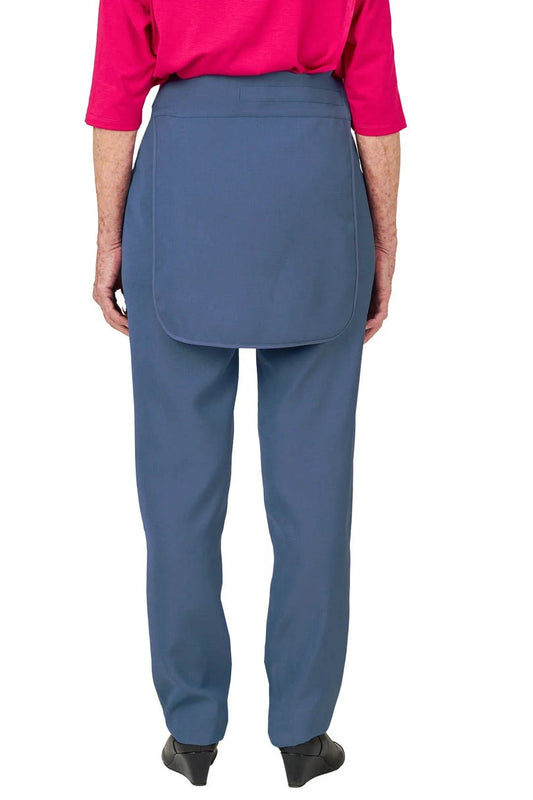
Women’s Back-Overlap Assisted Dressing Adaptive Knit Pants
If you enjoyed this blog, please sign up to the June Adaptive Newsletter below to receive more updates! Share your experience in our 5-minute survey to inform our new adaptive apparel launch. Get a chance to win a $50 gift card Link here