Fatty Acids and Skin Ceramides: The Building Blocks of Healthy Skin Barriers
⏳5 minutes of your time could win you a $50 gift card! 🎉Help us design our new adaptive apparel launch by sharing your experience. 👕 Link Here 👈
Healthy skin is not just about looking smooth or glowing in good lighting. It is about comfort, protection, and how your skin feels while you move through daily life. For many adults, especially those managing sensitive skin, dryness, eczema-prone skin, aging skin, or mobility-related dressing challenges, the skin barrier plays a major role in everyday comfort. Fatty acids and ceramides may sound like skincare chemistry terms, but they are really the building blocks that help your skin stay hydrated, resilient, and protected.
Essential fatty acid types, omega-3, omega-6, and more
Think of your skin barrier like the seal around a window. When it is strong, it keeps moisture in and irritants out. When it is weakened, skin can feel dry, tight, itchy, or more reactive than usual.
Fatty acids are one of the key ingredients that help maintain that seal. Two important families are omega-3 fatty acids and omega-6 fatty acids. The body cannot make the parent forms of these essential fatty acids on its own, so they need to come from food. Linoleic acid is the parent omega-6 fatty acid, while alpha-linolenic acid, often called ALA, is the parent omega-3 fatty acid.
For skin specifically, omega-6 fatty acids are especially important because linoleic acid is closely tied to barrier function. Omega-3 fatty acids are often discussed for their role in supporting inflammatory balance throughout the body. The NIH notes that omega-3s are found in foods like fatty fish, flaxseed, chia seeds, walnuts, soybean oil, and canola oil.
Here is the simple version:
-
Omega-6 fatty acids: Often found in plant oils, nuts, and seeds. Linoleic acid is especially relevant to skin barrier health.
-
Omega-3 fatty acids: Found in fatty fish and plant foods like walnuts, chia, flaxseed, soybean oil, and canola oil. These support broader health and inflammatory balance.
-
Omega-9 fatty acids: Found in foods like olive oil and avocado oil. These are not considered essential because the body can make them, but they can still be part of a balanced diet and skincare routine.
At June Adaptive, we often talk about comfort in terms of clothing, such as softer fabrics, easier closures, seated-friendly fits, and designs that reduce friction. Skin barrier health connects to that same idea. When skin is dry or fragile, even a waistband, seam, tag, or sleeve opening can feel more irritating. Supporting the skin barrier is one more way to support comfort, dignity, and independence.
Ceramide structure and barrier integration
Ceramides are lipids, which means they are fat-like molecules. They naturally exist in the outer layer of the skin and help form the protective barrier that keeps moisture in. Cleveland Clinic explains that ceramides make up about 50% of the epidermis, the outer layer of the skin, and help moisturize and replenish the skin barrier.
A helpful way to picture this is the classic “bricks and mortar” model. Your skin cells are the bricks. The lipids between them, including ceramides, cholesterol, and fatty acids, are the mortar. If the mortar becomes weak or uneven, the wall becomes less effective.
That is where ceramides become so important. They help create a more organized barrier, reducing water loss and helping skin feel less dry. Cleveland Clinic also recommends looking for moisturizers with ceramides, fatty acids, and lipids because these naturally make up a large part of the skin barrier.
For people with sensitive skin, eczema-prone skin, aging skin, or skin affected by frequent washing, friction, or medical routines, barrier support can make a noticeable difference. The National Eczema Association notes that people with eczema can have differences in skin lipids, including less ceramide, which matters because ceramides help lock in moisture.
This is also why accessibility and skincare overlap more than people may realize. Someone who uses adaptive clothing may be choosing easier dressing solutions because of limited mobility, dexterity challenges, chronic pain, post-surgery recovery, sensory sensitivity, or caregiving needs. If the skin is already uncomfortable, dressing can become even more stressful. Barrier-supportive routines and thoughtfully designed apparel both work toward the same goal: making daily life easier.
Plant-based sources of fatty acids
Plant-based sources of fatty acids are easy to include in daily routines, and many are already familiar pantry staples. Mayo Clinic notes that alpha-linolenic acid and linoleic acid can be found in walnuts, flaxseed, chia seed, and soybean products.
Some approachable plant-based sources include:
-
Flaxseed and chia seeds: Good sources of ALA, a plant-based omega-3. They can be added to oatmeal, smoothies, or yogurt.
-
Walnuts: A convenient snack that provides plant-based omega-3s.
-
Soybean and canola oils: Common cooking oils that provide ALA.
-
Sunflower, safflower, soybean, and corn oils: Sources of omega-6 fatty acids, including linoleic acid.
-
Avocado and olive oil: Rich in monounsaturated fats, often used in both food and skincare.
The goal is not to turn every meal into a nutrition spreadsheet. It is to understand that skin health is connected to whole-body nourishment. A salad with walnuts, a smoothie with chia, or roasted vegetables with a balanced cooking oil can all contribute to a diet that includes essential fatty acids.
That said, balance matters. More is not always better, especially with supplements or highly concentrated products. For most people, the best starting point is a varied diet, a gentle skincare routine, and a consistent moisturizing habit.
Supplement versus topical delivery
When people hear that fatty acids and ceramides support the skin barrier, the next question is usually: “Should I eat them, take them, or apply them?”
The answer depends on the goal.
Dietary fatty acids support the body from the inside. For example, omega-3 and omega-6 fatty acids are essential nutrients, meaning they must come from food. Topical skincare, on the other hand, works directly on the skin surface. A moisturizer with ceramides, fatty acids, and other barrier-supporting ingredients can help reduce dryness and support the outer layer of the skin.
Supplements are more complicated. The FDA requires dietary supplement labels with certain claims to include language explaining that the statement has not been evaluated by the FDA and that the product is not intended to diagnose, treat, cure, or prevent disease. That does not mean all supplements are bad. It simply means they should be chosen thoughtfully, especially for people taking medications, managing chronic conditions, preparing for surgery, or dealing with allergies.
A practical way to think about delivery:
-
Food first: A balanced diet with fatty acid-rich foods supports overall health and provides essential nutrients.
-
Topical moisturizers: Useful when the goal is direct skin comfort, hydration, and barrier support.
-
Supplements: Best discussed with a healthcare professional, especially if you have medical conditions or take prescription medications.
For daily skin comfort, topical delivery is often the most direct option. Applying a moisturizer after bathing, handwashing, or changing clothes can help reduce the dry, tight feeling that many people experience. For those who need caregiver assistance, pump bottles, lightweight textures, or easy-grip packaging can make routines more accessible.
Creating formulas that support barrier restoration
A good barrier-supporting formula is not about one superstar ingredient doing everything. It is about a thoughtful blend. Ceramides, fatty acids, cholesterol, humectants, and soothing ingredients can work together to support hydration and comfort.
Humectants, like glycerin or hyaluronic acid, help draw water into the skin. Occlusives, like petrolatum or certain plant butters, help reduce water loss. Lipids, including ceramides and fatty acids, help replenish the barrier. When these categories are combined well, the formula can feel more complete.
For sensitive or easily irritated skin, simplicity is often a strength. Fragrance-free products may be a better choice for people prone to irritation. The National Eczema Association features many barrier-focused products that emphasize ingredients like ceramides, cholesterol, fatty acids, glycerin, niacinamide, and fragrance-free formulas, reflecting how common these ingredients have become in sensitive-skin care.
A barrier-supportive formula may include:
-
Ceramides: Help replenish the skin’s natural lipid barrier.
-
Fatty acids: Support softness, flexibility, and barrier structure.
-
Cholesterol: Works alongside ceramides and fatty acids in the skin’s lipid matrix.
-
Glycerin or hyaluronic acid: Help attract and hold water.
-
Niacinamide: Often used in moisturizers to support skin comfort and barrier function.
-
Fragrance-free design: Helpful for people with sensitive or reactive skin.
This is where inclusive innovation matters. A formula can be scientifically strong but still difficult to use if the packaging is hard to open, the texture is too slippery, or the instructions are hard to read. Accessibility should be considered from the first ingredient decision to the final bottle design.
The same thinking applies to adaptive apparel. Clothing should not just fit a body. It should fit real life. A person with limited hand strength may need magnetic closures, Velcro alternatives, wide openings, or seated-friendly construction. A person with sensitive skin may also need soft fabrics, fewer abrasive seams, and easier dressing to reduce friction. Barrier health and adaptive design both start with listening to lived experience.
Everyday tips for supporting your skin barrier
You do not need a complicated routine to care for your skin barrier. In fact, overdoing it can sometimes make skin feel worse. A gentle, consistent approach is usually more sustainable.
Try these practical habits:
-
Moisturize after bathing: Applying moisturizer while skin is still slightly damp can help seal in hydration.
-
Choose gentle cleansers: Harsh soaps can leave skin feeling stripped or tight.
-
Look for barrier-supporting ingredients: Ceramides, fatty acids, lipids, glycerin, and fragrance-free formulas are helpful keywords.
-
Pay attention to clothing friction: Soft fabrics, smooth seams, and adaptive closures can reduce unnecessary rubbing.
-
Keep routines accessible: Easy-open containers, pump bottles, and products stored within reach can make skincare easier to maintain.
For caregivers, these small choices matter too. A moisturizer that absorbs well, clothing that opens easily, and products that do not require excessive tugging can make morning and evening routines more comfortable for everyone involved.
Why this matters for accessible living
Healthy skin is part of independence. When skin is comfortable, getting dressed is easier. Moving through the day feels better. Care routines become less stressful. For people with disabilities, chronic conditions, aging-related changes, or post-surgical needs, comfort is not a luxury. It is part of accessibility.
June Adaptive’s commitment to inclusive innovation is rooted in this exact idea. Products should be designed for real bodies, real routines, and real challenges. Whether we are talking about adaptive apparel, accessible product design, or skin-friendly daily routines, the goal is the same: helping people feel more comfortable, confident, and supported.
Fatty acids and ceramides may be tiny molecules, but their impact can be deeply practical. They help protect the barrier that protects you. And when paired with thoughtful clothing, accessible design, and inclusive care, they become part of a bigger story about dignity, ease, and everyday confidence.

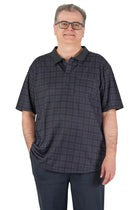
Men’s Adaptive Back-Opening Bamboo Sport Shirt

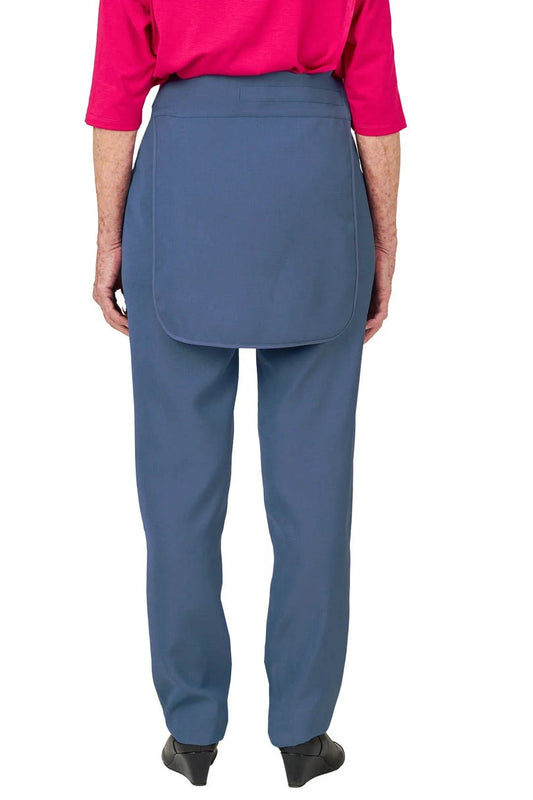
Men’s Back-Overlap Assisted Dressing Twill Pants

Women's Easy-Access Open-Back Keyhole Opening Shirt for Assisted Dressing
If you enjoyed this blog, please sign up to the June Adaptive Newsletter below to receive more updates! Share your experience in our 5-minute survey to inform our new adaptive apparel launch. Get a chance to win a $50 gift card Link here .