Written By: Avery Buker
⏳5 minutes of your time could win you a $50 gift card! 🎉Help us design our new adaptive apparel launch by sharing your experience. 👕 Link Here 👈
Introduction
Living with eczema means your skin requires a little more from you and the products you use every day. Bath and body care can either soothe and support your skin barrier or leave you itchier, drier, and more frustrated than before you stepped into the shower. The goal isn't perfection; it's finding products that feel gentle, comforting, and genuinely safe for your skin.

Ingredient Considerations For Eczema Prone Skin
When skin is already inflamed and barrier impaired, every ingredient matters. Eczema-prone skin loses moisture more easily and is more susceptible to irritation, so the stakes are higher for what you apply in the bath and afterward.
A helpful way to think about ingredients is: will this support the barrier, or stress it?
Barrier supporting ingredients include:
-
Emollients that soften rough patches and help smooth the skin surface, like shea butter, sunflower seed oil, squalene, and colloidal oatmeal
-
Humectants that draw water into the outer skin layers, like glycerin and hyaluronic acid, especially when used in moderation and sealed with an emollient
-
Occlusives that lock in hydration, like petrolatum, dimethicone, or certain plant waxes, which can be especially helpful right after bathing
On the flip side, ingredients more likely to stress eczema prone skin include:
-
Strong surfactants (cleansing agents) like sodium lauryl sulfate (SLS), which can strip away natural lipids and worsen dryness
-
Harsh physical exfoliants, like ground shells or large rough particles, which can create micro-tears in already fragile skin
-
High levels of simple alcohols (like denatured alcohol or SD alcohol) in leave-on products, can be drying and stinging
For bath and body products like body washes and soaps, "gentle" shouldn't just be a marketing word; it should describe the actual chemistry. Creamy, low foaming cleansers that use milder surfactants are generally more suitable than highly foaming gels, especially if your eczema is active.
Water temperature matters just as much as ingredients. Even the best-formulated wash will struggle against very hot water, which strips the skin of oils. Lukewarm showers, a fast, gentle pat dry, and immediate moisturizer application support the work your chosen ingredients are trying to do.
Patch testing can also be helpful. Even "safe" ingredients can cause issues for certain people. Try a new body wash or lotion on a small area for several days before using it more widely, giving your skin a chance to "vote" on whether it's comfortable.
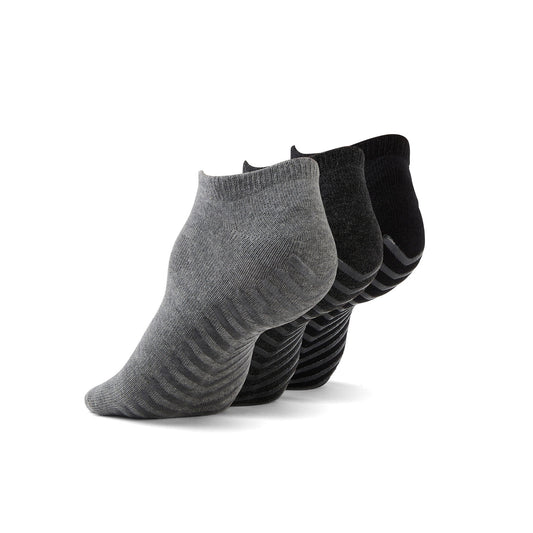
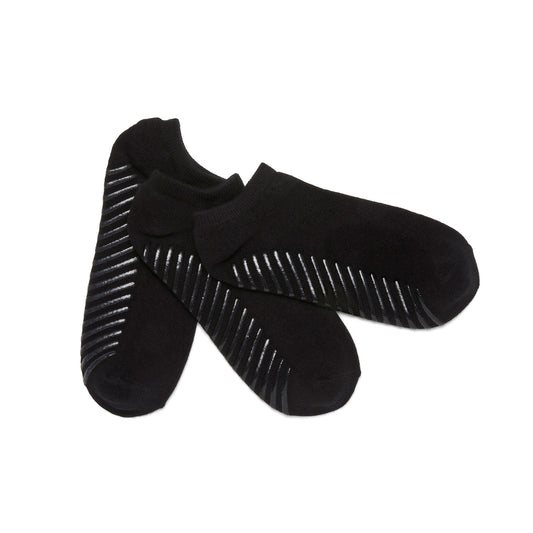
 Comfort Crew Anti-Slip Socks (3 pairs)
Fragrance and additive sensitivities common in eczema
Fragrance is one of the biggest sources of tension in bath and body care for people with eczema. Scent is emotional; it can make us feel clean, cozy, or lifted. For many with eczema, fragrance (natural or synthetic) is also a common trigger for irritation and flares.
If you live with eczema, consider approaching fragrance with a cautious, informed mindset:
"Fragrance free" is not the same as "unscented"
Fragrance-free typically means no fragrance chemicals are added at all, while "unscented" may include masking fragrances designed to cover base odors. Those masking agents can still irritate sensitive skin.
Both essential oils and synthetic fragrances can be problematic
"Natural" doesn't automatically mean gentle. Essential oils such as citrus, peppermint, and tea tree can be surprisingly irritating to compromised skin.
Cumulative exposure matters
Even fragranced products that don't burn or cause itching on contact can gradually contribute to dryness and barrier disruption. Eczema often reacts to cumulative exposure rather than a single dramatic event.
Beyond scent, other additives can also be an issue. Colorants, glitter, and certain preservatives may trigger contact dermatitis or worsen eczema in some people. That doesn't mean every colorful or preserved product is off limits, but if you notice patterns like flares after using heavily dyed body washes it's worth simplifying.
A gentle strategy many dermatologists recommend is to prioritize fragrance-free and dye-free formulas for the products that cover large body areas or stay on the skin the longest:
-
Body washes and cleansers
-
Full body moisturizers
-
Hand creams are used multiple times a day
If you really enjoy scent, you might keep it to one small, well-tolerated product, for example, a light fragrance mist on clothing rather than skin, or a scented hair product that has less contact with eczema-prone areas. The key is reducing the total "irritant load" on your skin so it has space to calm and repair.

Good Vibes Only Gender Neutral Crewneck Sweatshirt
National Eczema Association approved products and standards
One of the most reassuring tools you can lean on when shopping is the National Eczema Association (NEA) Seal of Acceptance. This seal is awarded to products that meet strict criteria for use on eczema-prone and sensitive skin, particularly in categories such as personal care, moisturizers, and cleansers.
To earn the Seal, a product has to pass several hurdles. The NEA's scientific oversight committee reviews full ingredient lists and concentrations, checks formulations against an exclusion list of known problem ingredients, and assesses testing data on sensitivity, safety, and toxicity. Products with the Seal may not contain certain types of fragrance, chemical UV filters, formaldehyde-releasing preservatives, and other components that are commonly known to aggravate eczema. They must also undergo clinical testing on people with sensitive skin to demonstrate a low irritation potential.
For you as a shopper, that seal acts like a shortcut. Instead of decoding every label alone, you can use it as an extra layer of assurance that experts have already filtered out some of the usual culprits. Many brands now build dedicated collections of NEA accepted products, and the NEA provides searchable lists of items; from moisturizers to body washes and even laundry detergents that have earned the Seal.
That said, the Seal is a tool, not a guarantee. A product that's ideal for one person with eczema may still not suit another as eczema affects everyone differently. If you're overwhelmed by options or tired of endless trial and error, starting with Seal bearing products can significantly narrow the field in your favor.
Moisturizing body products that won't clog pores
Hydration is non-negotiable when you have eczema, but no one wants to trade flares for breakouts. This is especially important if you have dry, acne-prone, or folliculitis-prone skin on areas such as the chest, back, or shoulders.
The sweet spot lies in moisturizers that are rich enough to support the barrier but thoughtfully formulated to avoid congestion.
Here are some guiding principles:
- Look for "non-comedogenic" or "won't clog pores" on body products designed for eczema-prone areas, especially if you're prone to body acne. These labels aren't perfect, but they're a useful starting point.
- Favor lighter lotion or gel cream textures for acne-prone zones, reserving heavier ointments and balms for the driest, non-acne-prone areas like shins, ankles, or hands.
- Seek out barrier supporting ingredients like ceramides, cholesterol, and fatty acids in balanced formulations. These can help rebuild the skin's barrier without being greasy or occlusive enough to clog pores.
- Occlusive ingredients such as petrolatum can be very helpful for eczema, particularly during flares or in cold, dry weather. If you're concerned about breakouts, you might use them more strategically: as spot treatments over the itchiest patches, or as an overnight layer in specific areas rather than full-body coverage.
- Timing and layering also matter. Applying a lighter, hydrating lotion to slightly damp skin right after bathing, then applying a more occlusive product to the driest areas, can give you the best of both worlds, comprehensive moisture and a breathable feel.
If you're struggling with both eczema and body acne, it can be worth involving a dermatologist. They may suggest a routine that alternates between medicated washes or treatments and gentle, non-comedogenic emollients, rather than relying on a single product to solve both issues.
Managing eczema in different body areas with targeted products
Eczema doesn't behave the same across all parts of the body. The skin on your hands and feet, for example, is thicker and more exposed to irritation, while the skin on your eyelids or neck is thinner and more delicate. Matching bath and body products to specific regions can make a big difference in comfort and control.
General patterns and strategies:
Hands and wrists
Frequent washing and sanitizer use make hands especially vulnerable. Using a very gentle hand wash and applying a rich, fragrance-free hand cream or ointment immediately afterward can help prevent cracks and flares. At night, some benefit from applying a thicker layer and wearing cotton gloves to lock it in.
Arms, legs, and torso
These areas often tolerate cream or lotion textures well. A mild, low-foam body wash, followed by a generous layer of moisturizer within a few minutes of stepping out of the shower, can become the backbone of your routine. If particular areas, such as behind the knees or in elbow creases, are prone to flares, your clinician may recommend a slightly thicker product or a medicated treatment reserved just for those areas.
Neck and chest
The skin here is thinner and can be quite reactive. It may prefer lighter, fragrance-free lotions with soothing ingredients such as colloidal oatmeal or aloe, rather than very heavy ointments during the day. If you're using hair products in the shower, be mindful of residue running over these areas. Sometimes, switching to less fragranced or gentler hair care can reduce neck and chest flares.
Feet and ankles
These often benefit from richer products, especially if you struggle with dryness or scaling. After bathing, apply a thicker cream or ointment and wear breathable socks for a while to help lock in moisture. If you have eczema, athlete's foot, or other foot conditions, it's important to coordinate treatments with a professional so products don't work against each other.
Sensitive or intimate areas
Here, less is more. Avoid heavily fragranced washes or scrubs. Instead, use very mild, fragrance-free cleansers and, in some cases, just lukewarm water as directed by your clinician. Moisturizers used in these areas should be simple, free of potential irritants, and specifically judged appropriate for that use.
Managing eczema across your body is about noticing patterns and being willing to adjust. The body wash that feels perfect in winter might be too rich in summer; the lotion that works well on your arms might feel heavy on your chest. Giving yourself permission to fine-tune, to switch textures with the seasons, and to keep a small "toolbox" of well-tolerated products for different areas can make day-to-day care feel more manageable and less like trial and error.
Bath and body care for people with eczema doesn't have to be joyless, but it does need to be thoughtful. Listening to your skin, its irritations, its comforts, its small sighs of relief, will tell you more than any marketing claim ever could. With gentle ingredients, mindful choices around fragrance and additives, trusted seals like the NEA's as guides, and products tailored to different parts of your body, you can build routines that feel both protective and nurturing.
Your skin may always be a bit particular. That's okay. The right products won't fight that reality; they'll meet it with patience, support, and a little everyday kindness.
If you enjoyed this blog, please sign up to the June Adaptive Newsletter below to receive more updates!
Share your experience in our 5-minute survey to inform our new adaptive apparel launch. Get a chance to win a $50 gift card Link here