Written By: Avery Buker
⏳5 minutes of your time could win you a $50 gift card! 🎉Help us design our new adaptive apparel launch by sharing your experience. 👕 Link Here 👈
Introduction
For people living with conditions that cause hand tremors, packaging can be the difference between independence and dependence. Thoughtful design turns everyday tasks like pouring milk, opening pills, or using shampoo from a source of stress into something manageable and predictable. Here's how to design packaging that supports stability, control, and dignity, with practical ideas you can apply across categories.
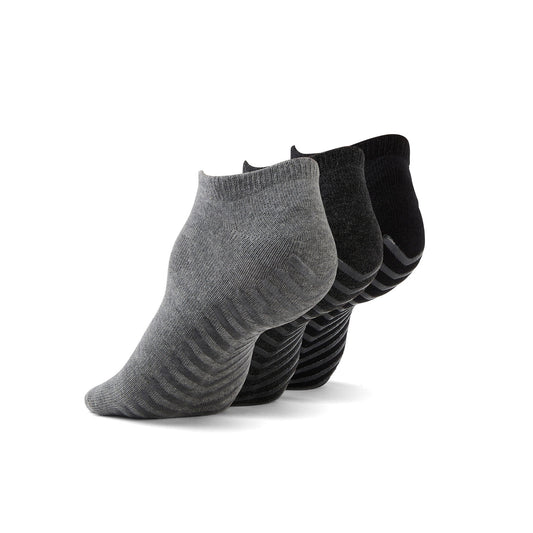
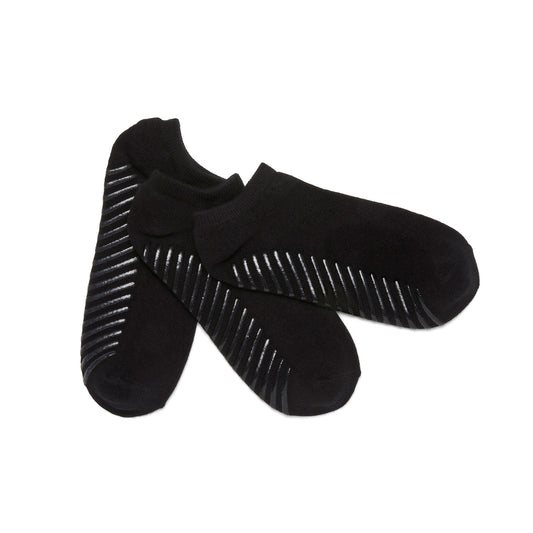
Everyday Crew Anti-Slip Socks 3 Pack
Non-slip Materials and Textured Surfaces For Secure Grip
For anyone experiencing tremors, the moment of grasping and lifting a product is often the first point of failure. Smooth, glossy packaging may look premium, but it can be slippery and unforgiving when hands shake or grip strength is reduced. Using non-slip materials and smart surface textures dramatically increases control.
Why grip matters
Tremors make it harder to maintain a steady grip and control the angle of an object. A thin, smooth bottle can often rotate or slip unexpectedly, especially when hands are wet if using bathroom products, become greasy due to cooking oils, or numb in a cold environment. When a container is hard to hold, users may overcompensate with force, increasing fatigue and the risk of dropping it.
Design strategies that help:
Use inherently grippy materials
Soft-touch coatings, rubberized bands, silicone sleeves, and matte finishes provides the friction that can help to stabilize the product without requiring extra strength. Even limited grip zones, like a rubber ring around the middle of a bottle, can make a world of difference.
Incorporate intentional texture
Raised ridges, dimples, ribbing, or patterned embossing guide the hand to a secure holding area and increase friction. For people with tremors, this "tactile target" reduces the micro-adjustments they need to make just to find a safe grip.
Design ergonomic cross-sections
Round bottles are more prone to slipping and rotating than more angular ones. Slightly oval or faceted shapes can give users a clearer sense of orientation and more surface area to brace against their palm.
Avoid ultra-slick finishes in high-risk categories
In products that are commonly used with wet or soapy hands, like body wash, dish soap, hair products, prioritize non-slip textures and matte or soft-touch surfaces over high-gloss or glass-smooth plastics.
Common errors in inaccessible packaging
-
Uniformly smooth "aesthetic" designs that ignore handling
-
Tiny containers with no obvious grip area
-
Heavy reliance on labels for texture, labels can peel, become slippery, or sit where the user doesn't naturally grasp
Weight distribution in bottles and containers
Weight isn't just about how heavy something is, it's about how that weight is distributed. For people with tremors, a poorly balanced container can tip, wobble, or feel unpredictable, especially when it's partially full.
How weight distribution affects control
When a container is top heavy or has a narrow base, small tremors get amplified into noticeable tipping. Some may manage fine while the container is full as it’'s more stable, but struggle as soon as the liquid level drops and the center of mass shifts unexpectedly.
Design principles for better balance
Lower the center of gravity
Placing more weight toward the bottom of the package, with a slightly thicker base or a broader, heavier bottom ring, makes it harder to tip. This is especially valuable for tall bottles like shampoo, sauces, or household cleaners.
Use wider, stable bases
A base that's just a few millimetres wider can provide greater stability on a shelf, bathroom ledge, or bedside table. The aim is to resist tipping when lightly nudged or when a trembling hand contacts the container.
Consider fill level behavior
Liquids slosh, and that movement can destabilize a bottle during pouring. Container shapes that minimize sudden shifts in weight, such as less extreme tapering or curved shoulders, can feel more predictable for users with tremors.
Balance overall weight with manageability
Heavier packaging may feel more stable, but it still needs to be liftable for users with limited strength. The sweet spot is a product that's solid enough to resist accidental knocks but light enough to lift and tilt without strain.
Practical example
Think of a heavy glass sauce bottle with a narrow base and long neck versus a shorter, wider plastic bottle with a weighted bottom. The second will typically be much easier for a person with tremors to lift, control, and set down without tipping.
Closure designs that don't require fine motor control
Opening and closing packaging is often the most frustrating step for people with tremors. Many closures require fingertip precision, a strong grip, and the ability to coordinate multiple motions simultaneously, abilities that tremors specifically compromise.
Why typical closures fail
-
Small caps and tabs demand precise pinching
-
Child-resistant mechanisms often require simultaneous push-and-twist or squeeze-and-turn actions
-
Tight screw caps need sustained torque and a stable counter-grip on the container body, which tremors disrupt
Features that improve accessibility
Large, easy-to-grip caps
Wider caps provide more surface area and allow lateral pinch; using the side of the finger and thumb, or even a full-hand grasp, which is easier for many people than fingertip pinching.
Textured or ribbed closure surfaces
Deep ridges, knurling, or rubberized bands on caps reduce slippage and give users a clear tactile cue of where to grip. This helps them avoid multiple "misses" when starting a twist.
One-motion or minimal-motion mechanisms
Flip-tops, push-button dispensers, and hinged lids that can be opened with the palm or side of the hand reduce the need for complex sequences. Avoid closures that require two or more simultaneous actions unless absolutely necessary for safety.
Alternative child-resistant designs
When child safety is required, consider mechanisms that avoid the classic push-down-and-twist approach where possible. Designs that rely on squeeze-and-turn or alignment of larger visual cues can sometimes be more manageable for adults with tremors while remaining safe for children.
What to avoid
-
Tiny pull tabs on seals or sachets that demand high dexterity
-
Screw caps that require multiple full turns and significant torque
-
Closures where the only instructions are small, low-contrast text or ambiguous arrows
The aim is simple: a closure that can be opened and closed using gross motor movements and a stable grip, with as few steps as possible.
Choose Balance Unisex Crewneck Sweatshirt
Anti Roll Design Preventing Products From Sliding Off Surfaces
For someone with tremors, the surrounding environment matters as much as the product itself. A bottle or tube that easily rolls off a counter or nightstand can turn a minor tremor into a dropped or broken product or a safety hazard.
Why rolling is a bigger issue for people with tremors
Tremors make it harder to place objects down gently and precisely. Setting a cylindrical object on its side "just for a second" may be normal for many users, but for someone with tremors, even tiny unintended movements can cause the object to roll off surfaces, especially sloped or cluttered ones.
Design strategies for anti-roll stability
Use inherently grippy materials
Replacing perfectly round cross sections with hexagonal, triangular, or partially flattened profiles prevents free rolling. Even a single flat "panel" on an otherwise round tube can act as a brake.
Integrating anti-roll features into caps and shoulders
Caps with flat edges, small protruding fins, or asymmetrical geometry can stop a bottle from rolling when placed horizontally. This can be particularly useful for tubes, pens, or cylindrical vials.
Stable resting positions
Designing products to stand securely in their primary storage orientation, for example, cap-down for viscous products like lotions or sauces, reduces the need for users to lay them on their side at all.
High friction contact surfaces
Slightly textured or rubberized base rings help keep products in place on smooth countertops, bathroom tiles, or bedside tables.
Environmental thinking
Ask where your product is most likely to be used: kitchen counters, bathroom shelves, bedside tables, or medical trays. Then consider how the shape, base, and materials behave on those surfaces when bumped or jostled by a hand with tremors.
Real world feedback from people with Parkinson's and other tremor conditions
No amount of theoretical design work can replace learning from people who live with tremors every day. Their experiences reveal friction points that standard usability tests miss and often inspire better solutions than any team could invent in isolation.
What people with tremors often report:
Preference for rigid, non-collapsing containers
Flexible bottles or thin pouches that collapse under pressure can be very hard to control when hands shake. Rigid packages provide a stable structure that responds predictably when squeezed or lifted.
Need for wide openings
Small bottle mouths and narrow necks demand precise aim and steady hands, making it easy to spill pills, powders, or liquids. Wider openings allow for less accuracy and more forgiving movement.
Frustration with over-packaging
Layers of shrink wrap, inner seals with tiny pull tabs, blister packs requiring multiple steps, and unnecessarily tight protective films are often cited as pain points. Each extra layer is another opportunity for tremors to interfere.
Appreciation for clear, tactile cues
Raised markers indicating where to press, pull, or twist; distinct textures indicating "front" or "open here"; and clear directional arrows provide confidence and reduce trial-and-error.
Desire for independence
Above all, many people with Parkinson's and other tremor conditions emphasize the emotional impact of accessible packaging. Being able to open, pour, and store products without help supports dignity, privacy, and a sense of control.
How to gather and use this feedback
Co-design sessions
Involve people with Parkinson's and other tremor-related conditions early in the design process. Ask them to handle prototypes, narrate their experience, and point out where they struggle or feel pleasantly surprised.
Observational research
Watching how people with tremors use products in real-world contexts (e.g., at home or in a simulated kitchen or bathroom setup) reveals issues that may not emerge in interviews alone.
Test at different stages of use
Don't just test openings. Observe gripping the product off a shelf, carrying it, pouring or dispensing, recapping, and putting it away. Tremors can affect each stage differently.
Treat feedback as an ongoing input, not a checkbox
As formulations, formats, and regulations change, keep returning to your user community to ensure new variants or packaging decisions don't reintroduce barriers.
Bringing it together: A Review
To make your packaging more stable, controllable, and supportive for people with tremors, certain things are crucial.
Grip and materials
-
Does the primary grip area have non-slip materials or meaningful texture?
-
Is the shape easy to hold in a full hand, not just fingertips?
Stability and balance
-
Is the base wide and stable enough to resist tipping if nudged?
-
Does the weight feel predictable when the product is full and partly used?
Closures and openings
-
Can the closure be opened with gross motor movements and minimal strength?
-
Does it avoid demanding fine, simultaneous actions where possible?
Anti-roll and resting behavior
-
Will the product roll if placed on its side?
-
Does the base or body include features that prevent it from slipping on smooth surfaces?
User involvement
-
Have you tested with people who experience tremors, including Parkinson's and other conditions?
-
Did you incorporate their feedback into at least one round of design changes?
Designing packaging for people with tremors isn't about creating a niche, medical-looking product line. It's about building stability, predictability, and control into packaging so that more people of all ages and abilities can use it comfortably. When you do this well, you don't just comply with accessibility expectations; you create products that feel thoughtfully engineered, trustworthy, and human-centred for everyone who picks them up.
If you enjoyed this blog, please sign up to the June Adaptive Newsletter below to receive more updates!
Share your experience in our 5-minute survey to inform our new adaptive apparel launch. Get a chance to win a $50 gift card Link here