Centella Asiatica: The Ancient Ingredient Gaining Modern Recognition for Sensitive Skin
Written By: Shreeya Shah
⏳5 minutes of your time could win you a $50 gift card! 🎉Help us design our new adaptive apparel launch by sharing your experience. 👕 Link Here 👈
Sensitive skin can make even the simplest daily routines feel complicated. A moisturizer that works for one person may sting another, and a fabric seam, zipper, or rough texture can turn comfort into irritation. That is why ingredients like centella asiatica are having a moment: they offer a gentler, plant-based approach to calming and supporting the skin. At June Adaptive, we see this as part of a bigger conversation about accessibility, comfort, and designing everyday products around real human needs.
Traditional Asian skincare heritage and modern science
Centella asiatica is not new. Long before it appeared on skincare labels as “cica,” it was used in traditional wellness practices across parts of Asia, including India, China, Sri Lanka, and Southeast Asia. The plant is also commonly known as gotu kola, and it has historically been associated with skin repair, wound care, and soothing irritated areas.
Today, modern skincare has given centella asiatica a new audience. Instead of being seen only as a traditional botanical, it is now being studied for its active compounds and their potential effects on inflammation, collagen support, and skin recovery. Scientific reviews have identified centella’s major active compounds, including asiaticoside, madecassoside, asiatic acid, and madecassic acid, as key contributors to its skin-related benefits.
This is one reason centella appears in many products designed for sensitive, redness-prone, or compromised skin. It fits into the modern “less is more” approach to skincare: fewer harsh actives, more barrier support, and a greater focus on comfort.
For people with disabilities, chronic illness, sensory sensitivities, or mobility challenges, this matters even more. Skin sensitivity is not just a beauty concern. It can affect dressing, bathing, sleeping, transferring, and feeling comfortable throughout the day. A calming skincare ingredient may support the skin directly, while adaptive clothing can reduce friction, pressure, and irritation from the outside.
In other words, centella asiatica reminds us that care is not only about what we put on the skin. It is also about how products, fabrics, closures, and routines work together to make life easier.
Triterpenes and their anti-inflammatory properties
The reason centella asiatica gets so much attention comes down to its natural compounds. Its most discussed compounds are triterpenes, especially asiaticoside, madecassoside, asiatic acid, and madecassic acid. These compounds are believed to play a role in centella’s anti-inflammatory, antioxidant, and wound-supporting effects.
Inflammation is part of the body’s normal healing process, but when skin is already sensitive or compromised, too much inflammation can show up as redness, burning, stinging, dryness, or discomfort. This is why calming ingredients are so valued in sensitive skincare. They do not need to be dramatic to be helpful. Sometimes the best skincare product is the one that quietly helps your skin feel less reactive.
Centella’s triterpenes have been studied for several skin-supportive actions:
-
Helping calm visible irritation: Centella compounds are associated with anti-inflammatory activity, which may help reduce the appearance of redness and discomfort in sensitive skin.
-
Supporting the skin’s repair process: Research has linked centella compounds to collagen synthesis and wound-healing pathways, which may support recovery when the skin barrier is stressed.
-
Offering antioxidant support: Oxidative stress can contribute to skin irritation and visible aging, and centella has been studied for antioxidant properties that may help protect the skin.
Of course, centella is not magic. A single ingredient cannot fix every skin concern, and sensitive skin often needs a full routine built around gentleness. That means fragrance-free formulas, simple ingredient lists, moisturizers that support the barrier, sun protection, and clothing that does not rub or trap discomfort.
This is where skincare and adaptive fashion naturally connect. A person may use a calming cream with centella, but if their shirt has scratchy tags, tight cuffs, or difficult closures, their skin may still feel irritated. Inclusive design means thinking about the full experience, not just one step of the routine.
Clinical evidence for barrier repair and redness reduction
The skin barrier is like a protective wall. When it is strong, it helps keep moisture in and irritants out. When it is weakened, skin may feel dry, itchy, tight, flushed, or more reactive than usual. For sensitive skin, barrier repair is often the foundation of comfort.
Clinical and cosmetic research has explored centella asiatica in this context. One study on cosmetic formulations containing centella asiatica extract found moisturizing and anti-inflammatory effects after regular application over several weeks. Research reviews have also connected centella and its compounds with wound healing, collagen support, and inflammatory regulation, although the strength of evidence varies depending on the formulation, concentration, and skin concern being studied.
For everyday readers, the practical takeaway is simple: centella may be useful for people looking for a soothing ingredient, especially when it appears in a well-formulated product designed for sensitive skin.
When shopping for centella skincare, look for:
-
Names like “centella asiatica,” “cica,” “madecassoside,” or “asiaticoside” on the ingredient list.
-
Fragrance-free formulas, especially if your skin reacts easily. Dermatology guidance often recommends gentle, fragrance-free products for sensitive or irritation-prone skin.
-
Barrier-supporting ingredients such as ceramides, glycerin, panthenol, hyaluronic acid, cholesterol, or fatty acids.
-
Packaging that protects the formula, such as tubes, pumps, or airless containers, because plant-derived ingredients can be sensitive to light, air, and contamination.
It is also smart to patch test. Natural ingredients can still cause reactions, especially for people with allergies, eczema-prone skin, or highly reactive skin. Patch testing a small area before applying a new product more widely can help reduce the risk of irritation.
For people who rely on caregivers, have limited dexterity, or experience fatigue, packaging matters too. A great formula is less useful if the lid is hard to twist, the tube is difficult to squeeze, or the product requires multiple complicated steps. Accessible skincare is not only about ingredients. It is about whether someone can actually use the product comfortably and independently.
Sustainable sourcing and ethical considerations
As centella asiatica becomes more popular, sustainability matters. When an ingredient becomes trendy, demand can grow quickly. That can create pressure on farming communities, ecosystems, and supply chains.
Ethical sourcing means asking where the plant comes from, how it is grown, and whether local communities benefit fairly. It also means looking for brands that are transparent about ingredient sourcing, product testing, and environmental impact. Not every skincare label provides this information clearly, but consumers can still make more informed choices by looking for responsible sourcing claims, third-party certifications when available, and brands that avoid vague “clean beauty” language without explanation.
Sustainability also includes packaging. Sensitive skincare often uses protective packaging to preserve formula quality, but brands should still consider recyclable materials, refill options, reduced excess packaging, and responsible shipping practices where possible.
For June Adaptive, this conversation connects to a broader belief: products should be designed with care from start to finish. That includes how materials are sourced, how people use the product, and whether the final design supports dignity, comfort, and independence.
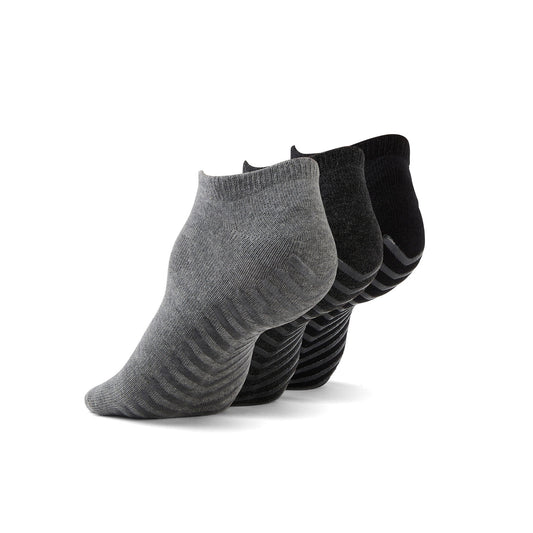
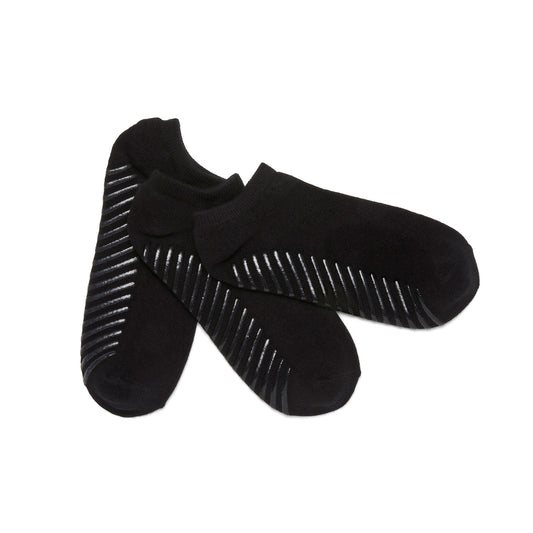
A centella cream may help calm the skin. A soft adaptive top may help prevent rubbing. A magnetic closure may make dressing less frustrating. A non-slip slipper may support safer movement at home. These solutions may seem small on their own, but together they can make daily life feel more manageable.
Accessible products featuring centella asiatica
Centella asiatica is most often found in skincare products such as moisturizers, serums, balms, masks, and recovery creams. It is especially common in products marketed for redness, post-procedure care, compromised barriers, and sensitive skin. For people building an accessible self-care routine, the goal is to choose products that are not only effective, but also easy to use.
A truly accessible centella product should consider:
-
Ease of opening: Pumps, flip caps, and larger lids may be easier for people with arthritis, tremors, limited grip strength, or one-handed use.
-
Low-effort application: Lightweight creams, balms that spread easily, and products that absorb without heavy rubbing can reduce strain.
-
Sensory comfort: Fragrance-free, non-sticky, and non-greasy textures may be more comfortable for people with sensory sensitivities.
-
Clear labeling: Large, readable text and simple directions help make routines easier for people with low vision, cognitive fatigue, or memory-related challenges.
This is also where adaptive fashion becomes part of skin care. Clothing can either support sensitive skin or make it worse. Soft fabrics, tag-free designs, easy closures, relaxed fits, and seated-friendly silhouettes can help reduce friction and discomfort. For someone dealing with redness, dryness, eczema-prone skin, scars, or post-surgical sensitivity, the right clothing can make a meaningful difference.
June Adaptive’s commitment to inclusive innovation is rooted in this exact idea. Accessibility should not feel clinical, complicated, or separate from everyday style. It should feel natural. It should make getting dressed, relaxing at home, going out, and caring for your body easier.
Centella asiatica is gaining modern recognition because it represents a gentle, thoughtful approach to skin health. It does not promise perfection. Instead, it supports calm, comfort, and repair, which is often what sensitive skin needs most.
And that is the heart of accessible design too. The best products do not ask people to struggle, adapt, or push through discomfort. They meet people where they are.
Take a look at some of our wonderful products that ensure that comfort and accessibility is possible.

Women’s Side-Opening Easy Dressing Elastic Waist Pants


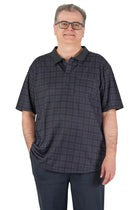
Men’s Adaptive Back-Opening Bamboo Sport Shirt
Final thoughts
Centella asiatica has traveled a long path from traditional Asian wellness practices to modern sensitive-skin routines. Its active compounds, especially triterpenes like madecassoside and asiaticoside, have made it a valuable ingredient for people looking to calm irritation, support the skin barrier, and reduce the look of redness.
But the bigger lesson goes beyond skincare. Comfort is connected. Skin health, clothing, mobility, sensory needs, packaging, and daily routines all affect how people feel in their bodies. When brands design with accessibility in mind, they create products that respect real lives, not idealized ones.
For anyone with sensitive skin, centella asiatica may be worth considering as part of a gentle, barrier-focused routine. Pair it with fragrance-free products, soft adaptive clothing, and tools that make self-care easier. Small changes can add up to a more comfortable, confident day.
If you enjoyed this blog, please sign up to the June Adaptive Newsletter below to receive more updates! Share your experience in our 5-minute survey to inform our new adaptive apparel launch. Get a chance to win a $50 gift card Link here