Introduction
Moving a loved one into a nursing home is a major life transition for everyone involved. While medical care and safety are often the top priorities, emotional comfort and dignity matter just as much in creating a positive living experience. Familiar belongings, comfortable adaptive clothing, and thoughtfully chosen personal items can help reduce stress, encourage independence, and make a new environment feel more like home. With the right essentials, families can support their loved one’s comfort while helping caregivers provide easier and more respectful daily care.
Why Comfort and Accessibility Matter in Nursing Homes
For many older adults, transitioning into long-term care can bring feelings of uncertainty, loneliness, or loss of independence. According to the U.S. Centers for Disease Control and Prevention (CDC), nursing home residents often require assistance with dressing, mobility, and daily living activities, making accessibility-focused products especially important.
Adaptive clothing and comfort items are more than conveniences — they can significantly improve quality of life. Clothing designed for easier dressing reduces frustration for residents and caregivers alike, while familiar personal items provide emotional reassurance and stability.
Families are often surprised to learn how much small details matter. A favorite blanket,
easy-to-put-on shirt, or supportive footwear can help seniors feel more confident and
comfortable throughout the day.
Essential Comfort Items to Bring to a Nursing Home
When packing for a loved one’s move, think beyond the basics. Nursing homes provide
medical support and furnishings, but personal comfort items help create warmth and
familiarity.
Personal Comfort Essentials
Some of the most meaningful items are the simplest ones:
1. Soft blankets or quilts from home
2. Family photographs or photo albums
3. Favorite pillows with familiar textures
4. Small decorations or keepsakes
5. A cozy robe or cardigan for layering
These personal touches can help reduce anxiety and create a more welcoming environment.
Entertainment and Mental Wellness Items
Staying mentally engaged is equally important for emotional well-being.
Helpful options may include:
1. Large-print books or magazines
2. Crossword puzzles or word searches
3. Music players with favorite songs
4. Noise-canceling headphones
5. Simple craft supplies or knitting materials
Music, in particular, has been shown to support emotional wellness and memory recall in older adults, especially individuals living with dementia or cognitive decline.
Everyday Accessibility Products
Accessibility-focused products can improve independence while making daily routines safer and easier.
Popular essentials include:
1. Easy-grip water bottles or cups
2. Bedside organizers
3. Adaptive utensils for easier eating
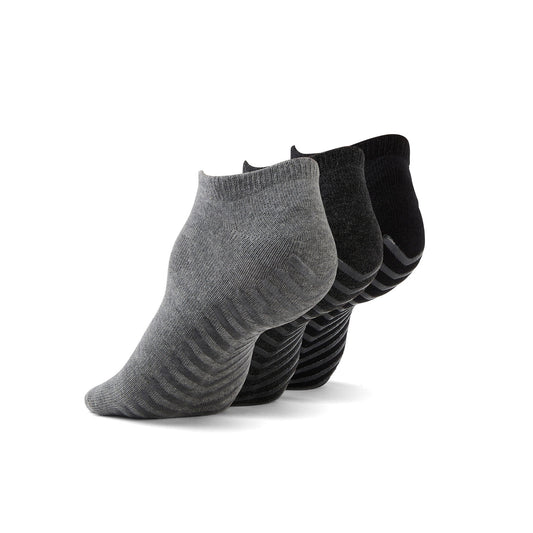
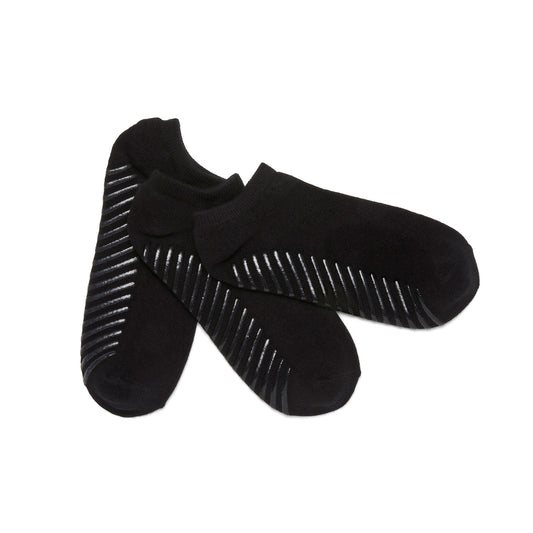
4. Non-slip socks
5. Reacher tools for limited mobility
These small additions can help seniors maintain confidence during daily activities.
Choosing the Right Adaptive Clothing for Nursing Home Living
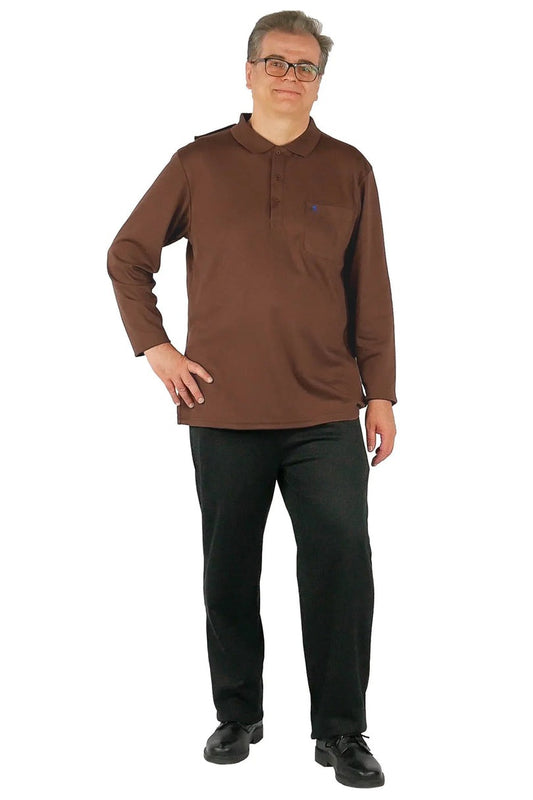
One of the most overlooked aspects of nursing home preparation is clothing. Traditional clothing can become difficult or uncomfortable for seniors with arthritis, limited mobility, chronic pain, or wheelchair use.
Adaptive clothing is designed specifically to make dressing easier, safer, and more dignified for both wearers and caregivers.
Features to Look for in Adaptive Clothing
When shopping for adaptive apparel, focus on comfort, functionality, and ease of dressing.
Key features include:
1. Open-back designs for assisted dressing
2. Magnetic or snap closures instead of buttons
3. Soft, breathable fabrics
4. Tag-free or sensory-friendly materials
5. Elastic waistbands for comfort and flexibility
6. Non-restrictive fits for seated wear
These features reduce physical strain while helping residents feel more comfortable
throughout the day.
A Featured Essential: Adaptive Tops for Easy Dressing
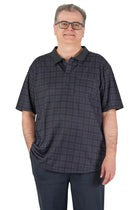
One particularly helpful option for nursing home residents is the Women’s Open-Back Easy Dressing Jacquard Shirt for Easy Assisted Dressing | Easy-Dress Snap Closure Adaptive Top.
This adaptive top is thoughtfully designed for individuals who require assistance with
dressing or experience mobility limitations. The open-back design allows caregivers to dress the wearer more comfortably and efficiently without unnecessary pulling or lifting. Snap closures create a secure fit while avoiding the frustration of traditional buttons. Beyond functionality, the shirt also maintains a stylish and polished appearance. Many families worry that adaptive clothing may look overly clinical or unfashionable, but modern adaptive fashion focuses on dignity and personal style alongside accessibility.
Features families appreciate include:
1. Soft jacquard fabric for comfort
2. Assisted dressing support
3. Easy snap closure system
4. Stylish everyday appearance
5. Reduced dressing stress for caregivers
Adaptive clothing like this can make a meaningful difference during daily care routines while helping seniors maintain confidence in their appearance.

Women’s Open-Back Easy Dressing Jacquard Shirt for Easy Assisted Dressing
How Adaptive Clothing Supports Caregivers
Adaptive apparel doesn’t just benefit residents — it also supports caregivers and nursing home staff. Caregivers often assist multiple residents throughout the day, and traditional clothing can increase physical strain during dressing routines. Tight sleeves, difficult buttons, and restrictive garments can lead to discomfort for both parties.
Adaptive clothing helps simplify care by:
1. Reducing dressing time
2. Lowering physical strain during transfers
3. Improving comfort during toileting or hygiene care
4. Minimizing agitation for residents with dementia
5. Supporting safer dressing practices
This creates a more respectful and positive caregiving experience overall.
Seasonal Clothing Essentials for Nursing Homes
Packing for a nursing home also means preparing for changing temperatures and indoor climate variations.
Warm Weather Essentials
During warmer months, breathable fabrics are especially important.
Recommended items include:
1. Lightweight adaptive tops
2. Moisture-wicking fabrics
3. Easy-on sandals with non-slip soles
4. Wide-brim hats for outdoor time
5. Light cardigans for air-conditioned spaces
Cold Weather Essentials
Many nursing home residents are sensitive to colder temperatures.
Helpful winter items include:
1. Fleece-lined adaptive pants
2. Warm non-slip slippers
3. Adaptive sweaters or zip-up jackets
4. Soft thermal blankets
5. Layer-friendly clothing pieces
Comfortable layering options help residents regulate body temperature more effectively.
Labeling and Organizing Clothing
One common challenge in nursing homes is misplaced laundry. Since facilities manage clothing for many residents at once, labeling personal belongings is essential.
Families should:
1. Label every clothing item clearly
2. Use laundry-safe labels or permanent fabric markers
3. Keep an updated clothing inventory
4. Choose durable, machine-washable items
5. Avoid overly delicate fabrics when possible
Practical organization can prevent frustration and unnecessary replacement costs.
Prioritizing Dignity Through Personal Style Clothing is deeply connected to identity and self-expression. Even in nursing home settings, personal style remains important.
Many older adults feel more confident and emotionally uplifted when wearing clothing they genuinely enjoy. Adaptive fashion should never mean sacrificing individuality.
Families can support dignity by choosing clothing that reflects the resident’s preferences, favorite colors, or personal style. Whether someone prefers classic prints, cozy textures, or polished outfits, accessible fashion allows them to maintain a sense of self. This is one reason adaptive fashion brands continue to focus on inclusive design that blends functionality with modern style.
What Not to Bring to a Nursing Home
While comfort is important, there are also certain items families should avoid bringing.
Items That May Create Challenges
Some belongings may increase safety risks or become difficult to manage.
Avoid bringing:
1. Expensive jewelry or valuables
2. Large amounts of cash
3. Delicate dry-clean-only clothing
4. Unsafe rugs or tripping hazards
5. Complicated electronic devices without support
Instead, prioritize practical, easy-to-maintain items that support daily living.
Creating a More Comfortable Transition
The emotional side of moving into a nursing home should never be underestimated. Familiar routines and personal belongings can help ease the adjustment process significantly.
Families often find that small comforts make the biggest difference:
1. A favorite sweater
2. Familiar scents or lotions
3. Comfortable adaptive sleepwear
4. Personal music playlists
5. Photos of loved ones and pets
These thoughtful details can create emotional reassurance during a major life transition. At the same time, adaptive clothing and accessible products help maintain dignity, comfort, and independence in daily life. By combining practical support with personal comfort, families can help loved ones feel safer, respected, and more at home.
Final Thoughts
Preparing for nursing home living involves much more than packing clothes and toiletries. It is about creating an environment where your loved one can continue to feel comfortable, confident, and connected to who they are.
Adaptive clothing plays an important role in this experience by reducing dressing difficulties while supporting dignity and personal style. Products like the Women’s Open-Back Easy Dressing Jacquard Shirt for Easy Assisted Dressing | Easy-Dress Snap Closure Adaptive Top demonstrate how thoughtful design can improve everyday life for both residents and caregivers. By focusing on accessibility, comfort, and familiarity, families can help make nursing home transitions smoother and more empowering for everyone involved.