Introduction
As parents age or experience mobility challenges, everyday activities that were once simple can become more difficult. Dressing is one of those tasks that often changes when a person spends most of their time sitting in a chair, wheelchair, or bed. Traditional clothing may require standing, lifting arms overhead, or twisting into uncomfortable positions, making dressing frustrating and physically demanding. Fortunately, adaptive clothing offers thoughtful solutions that can help older adults and caregivers make dressing safer, easier, and more comfortable while preserving dignity and independence.
Why Traditional Clothing Can Be Challenging
Many conventional garments are designed with the assumption that the wearer can stand, balance independently, and move freely. For individuals who primarily dress while sitting or in bed, these assumptions can create unnecessary obstacles.
Buttons, zippers, tight neck openings, and restrictive designs can make dressing difficult or uncomfortable. For caregivers assisting with dressing, traditional clothing may require significant lifting, pulling, or repositioning that can cause discomfort for both parties.
Adaptive clothing is specifically designed to address these challenges by prioritizing accessibility and ease of use.
Common Dressing Challenges for Seated or Bed-Bound Individuals
People who dress while seated or in bed may experience a variety of physical limitations depending on their health conditions and mobility levels.
Common challenges include:
-
Limited range of motion in the shoulders or arms.
-
Difficulty standing for extended periods.
-
Reduced balance and stability.
-
Arthritis or reduced hand dexterity.
-
Fatigue during dressing routines.
-
Increased reliance on caregiver assistance.
These challenges can make daily dressing routines stressful and time-consuming if clothing is not designed with accessibility in mind.
How Adaptive Clothing Makes Dressing Easier
Adaptive clothing focuses on reducing physical strain while improving comfort and convenience. Rather than requiring the wearer to fit the clothing, adaptive garments are designed to work with the individual's needs.
Features such as open-back designs, strategically placed closures, soft fabrics, and wider openings allow for easier dressing while sitting or lying down. These innovations help simplify daily routines while supporting dignity and comfort.
Benefits of adaptive clothing include:
-
Easier dressing and undressing.
-
Reduced physical effort.
-
Increased comfort throughout the day.
-
Greater caregiver efficiency.
-
Improved independence when possible.
Thoughtful design can transform dressing from a challenging task into a more manageable and comfortable experience.
The Importance of Comfort for Seated Wearers
When a person spends much of their day sitting or lying down, clothing comfort becomes even more important. Poorly designed garments can bunch, wrinkle, create pressure points, or restrict movement.
Soft fabrics and adaptive construction help reduce irritation and improve overall comfort. Clothing designed for seated wear often accommodates natural body positioning while minimizing unnecessary seams or restrictive elements.
Comfort is not simply about feeling good—it can significantly affect overall well-being and quality of life.
Why Open-Back Clothing Is a Game Changer
One of the most valuable innovations in adaptive apparel is the open-back design. Traditional shirts and sleepwear often require the wearer to lift their arms overhead or maneuver garments through tight openings.
Open-back clothing eliminates many of these challenges by allowing garments to be placed around the body rather than pulled over the head.
Advantages of open-back designs include:
-
Easier assisted dressing.
-
Reduced shoulder and arm movement.
-
Greater comfort for individuals with limited mobility.
-
Faster dressing routines for caregivers.
-
Less physical strain for everyone involved.
This simple yet effective design feature has helped make adaptive clothing more accessible and practical for countless families.
Featured Product: Women’s Open-Back Easy Dressing Flannel Sleepwear
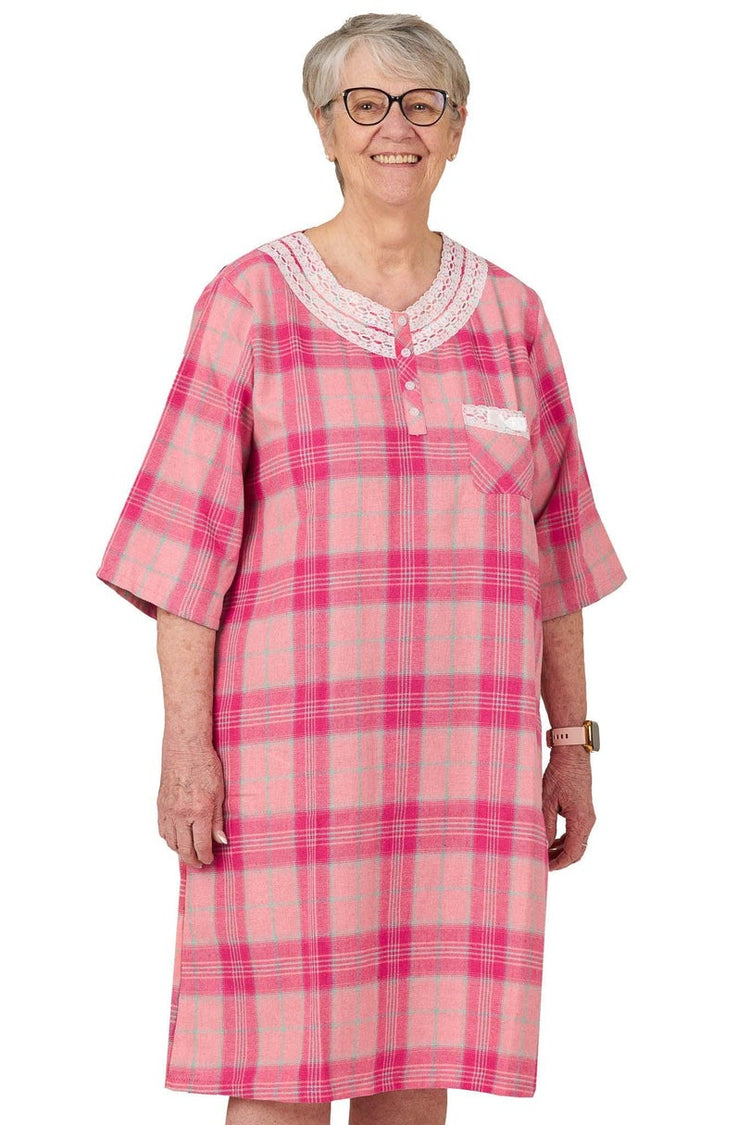
Women’s Open-Back Easy Dressing Flannel Sleepwear
Comfort is especially important during rest and recovery. The Women’s Open-Back Easy Dressing Flannel Sleepwear is designed to provide warmth, softness, and accessibility for women who dress while seated or in bed.
Its open-back construction allows caregivers to assist with dressing while minimizing unnecessary movement and discomfort. The cozy flannel fabric offers warmth and comfort, making it ideal for cooler seasons or individuals who enjoy soft sleepwear.
By combining practical accessibility with a classic sleepwear design, this garment helps promote comfort and dignity during nighttime routines.
Making Nighttime Care Easier
Evening and bedtime routines can be physically demanding for both caregivers and older adults. Fatigue, reduced mobility, and discomfort often become more noticeable at the end of the day.
Adaptive sleepwear can help simplify these routines by reducing the physical effort required for changing clothes. Easy-access designs support smoother transitions between daily activities and rest.
When dressing becomes less stressful, both caregivers and wearers can focus more on comfort and relaxation.
Featured Product: Men’s Open-Back Easy Dressing Sleepwear Set
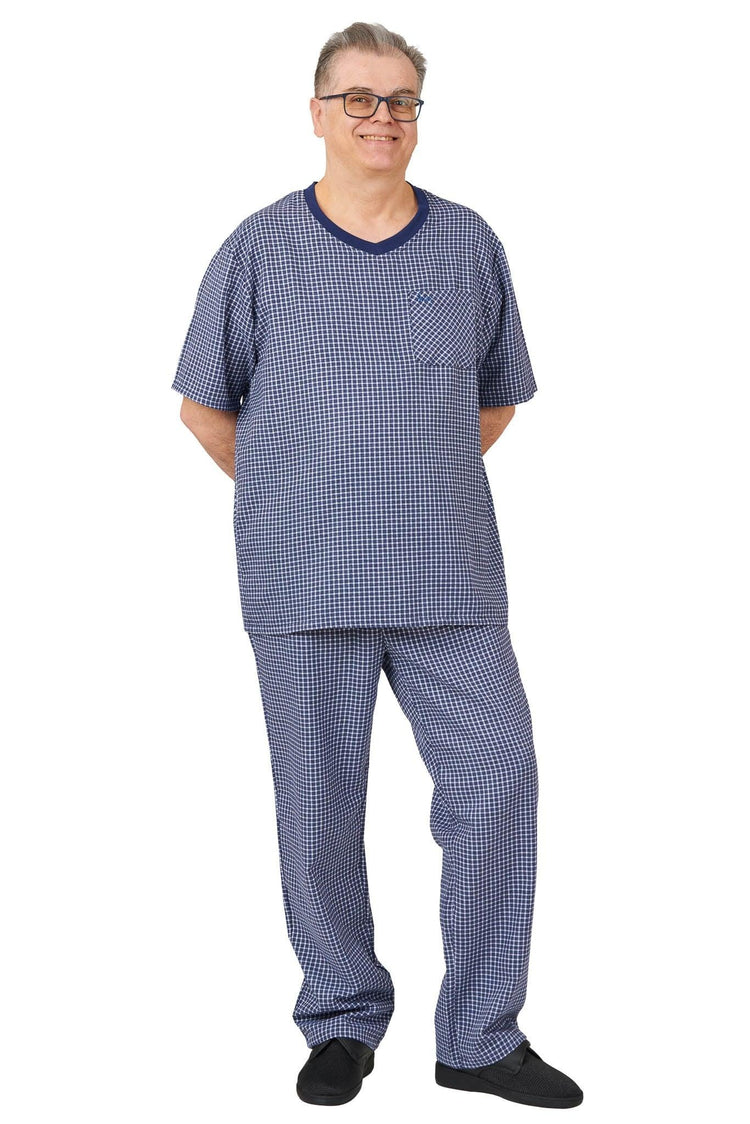
Men’s Open-Back Easy Dressing Sleepwear Set
The Men’s Open-Back Easy Dressing Sleepwear Set is designed to support comfort, accessibility, and ease of dressing for men who spend much of their time seated or in bed.
Its open-back design simplifies dressing and undressing while reducing the need for extensive movement. This can be especially beneficial for individuals with mobility limitations, chronic conditions, or those recovering from illness or surgery.
The coordinated sleepwear set provides both comfort and practicality, helping make nighttime routines easier while maintaining a familiar and comfortable appearance.
Supporting Caregivers Through Better Clothing Design
Adaptive clothing benefits not only the wearer but also the caregivers who provide daily assistance. Dressing someone in traditional clothing can require awkward movements and physical exertion that may contribute to caregiver fatigue.
Adaptive garments are designed to streamline the process and reduce physical demands.
Caregiver-friendly features often include:
-
Open-back closures.
-
Simplified fastening systems.
-
Easy-access designs.
-
Reduced lifting and repositioning.
-
Faster dressing routines.
These features can help create a more positive and comfortable caregiving experience.
Maintaining Dignity and Personal Style
Clothing is more than a practical necessity—it is also an important part of personal identity. Older adults and individuals with mobility limitations deserve clothing that reflects their preferences and helps them feel confident.
Adaptive clothing is increasingly moving beyond purely functional designs to include attractive styles, comfortable fabrics, and familiar looks that align with personal taste.
Maintaining personal style can contribute to self-esteem, emotional well-being, and a sense of normalcy, particularly during periods of increased care needs.
Choosing the Right Adaptive Clothing
Every individual's needs are different, so selecting adaptive clothing should involve consideration of mobility levels, comfort preferences, and caregiving requirements.
Important factors to consider include:
-
Ease of dressing and undressing.
-
Fabric softness and breathability.
-
Mobility limitations.
-
Caregiver assistance needs.
-
Seasonal comfort requirements.
-
Personal style preferences.
The best adaptive clothing solutions combine accessibility, comfort, and dignity in ways that support everyday living.
Comfort, Accessibility, and Independence
For parents who primarily dress while sitting or in bed, the right clothing can make a significant difference in daily comfort and quality of life. Adaptive apparel helps simplify dressing routines, reduce physical strain, and support greater dignity for both wearers and caregivers.
Products like the Women’s Open-Back Easy Dressing Flannel Sleepwear and Men’s Open-Back Easy Dressing Sleepwear Set demonstrate how thoughtful design can make everyday routines easier while maintaining comfort and personal style. By prioritizing accessibility and inclusion, adaptive clothing helps families navigate changing care needs with confidence and compassion.
If you enjoyed this blog, please sign up to the June Adaptive Newsletter below to receive more updates! Share your experience in our 5-minute survey to inform our new adaptive apparel launch. Get a chance to win a $50 gift card Link here