Written by: Fatima Faruq
More brands are starting to recognize that accessibility cannot be treated as an afterthought. Whether it is clothing, skincare, packaging, or everyday household products, inclusive design works best when disabled people are directly involved throughout the design process.
For years, many consumer products were created without considering the real experiences of people living with disabilities or chronic illness. That often resulted in products that felt difficult to use, uncomfortable, frustrating, or inaccessible in everyday life.
Co designing with disabled communities helps change that.
Instead of making assumptions about accessibility, brands are increasingly working directly with disabled individuals, caregivers, and people with different lived experiences to better understand what actually helps make products more usable and supportive in real life.
At June Adaptive, adaptive fashion is centered around accessibility, comfort, and real world functionality, helping create products that are designed with everyday experiences in mind.
Why Diverse Lived Experiences Matter
Disability is not one single experience.
People may have very different accessibility needs depending on mobility, dexterity, sensory sensitivities, chronic illness, vision, cognition, energy levels, or caregiving needs. A product that works well for one person may still create challenges for someone else.
That is why inclusive product design works best when brands involve people with a wide range of lived experiences during development and testing.
That can include:
• Wheelchair users
• People with chronic pain or fatigue
• Blind or low vision individuals
• Neurodivergent individuals
• People with limited dexterity
• Older adults
• Caregivers
The more perspectives included in the process, the more realistic and useful the final product often becomes.
The Women’s Open Back Floral Knit Shirt for Assisted Dressing is designed with accessibility and easier dressing in mind while still maintaining a comfortable everyday style. 
Inclusive design becomes stronger when different voices help shape it from the beginning.
Accessible Focus Groups and Product Testing
Traditional focus groups are not always designed with accessibility in mind.
Some participants may struggle with transportation, inaccessible spaces, long testing sessions, small print materials, sensory overload, or communication barriers. Creating accessible testing environments helps ensure people can participate comfortably and fully share their feedback.
Accessible product testing may include:
• Virtual participation options
• Captioning or interpretation services
• Flexible scheduling
• Accessible seating and environments
• Sensory friendly spaces
• Alternative communication methods
• Larger print or tactile materials
Usability testing also works best when participants can interact with products in realistic everyday situations rather than highly controlled environments.
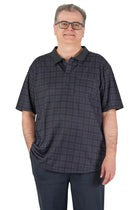
The Men’s Adaptive Long Sleeve Back Opening Polo Shirt combines adaptive dressing features with a familiar and polished everyday design intended to support easier wear and accessibility.

Men’s Adaptive Long Sleeve Back Opening Polo Shirt
Real feedback often reveals challenges that designers may not notice otherwise.
Disabled Participants Are Providing Expertise
Disabled individuals participating in co design are not simply helping brands test products casually. They are providing valuable lived expertise.
For many years, disabled communities were expected to offer accessibility feedback for free despite contributing knowledge that directly improves products and business outcomes.
More companies are now recognizing that disabled participants should be compensated fairly for:
• Product testing
• Accessibility consulting
• Focus groups
• Design feedback
• Usability reviews
• Community insight
Treating accessibility feedback as real expertise helps create more respectful and collaborative relationships between brands and disabled communities.
Inclusive design works best when participation is valued appropriately.
Turning Feedback Into Better Design
Collecting feedback is only useful if brands are willing to apply it meaningfully.
Sometimes small adjustments can completely change how accessible a product feels in everyday life. Something as simple as changing fabric texture, simplifying closures, adjusting fit, or improving garment orientation may help make a product significantly easier to use.
Adaptive clothing design often evolves through repeated rounds of feedback and testing.
The Women’s Easy Access Open Back Snap Closure Shirt is designed with adaptive dressing functionality that helps simplify dressing while still maintaining a versatile and polished look.
The best inclusive products are usually shaped through ongoing listening and real world feedback.

Women’s Easy Access Open Back Snap Closure Shirt
Consumers Want More Transparency Around Accessibility
Many consumers now want brands to be more transparent about how accessibility decisions are being made.
That can include:
• Sharing co design processes
• Highlighting disabled contributors
• Explaining accessibility features clearly
• Showing real product testing
• Including disabled representation in campaigns
Transparency helps consumers better understand whether accessibility is truly part of the design process or simply being used as marketing language.
Brands that openly discuss inclusive design often build stronger trust within disability communities because people can see how accessibility is actually being prioritized.
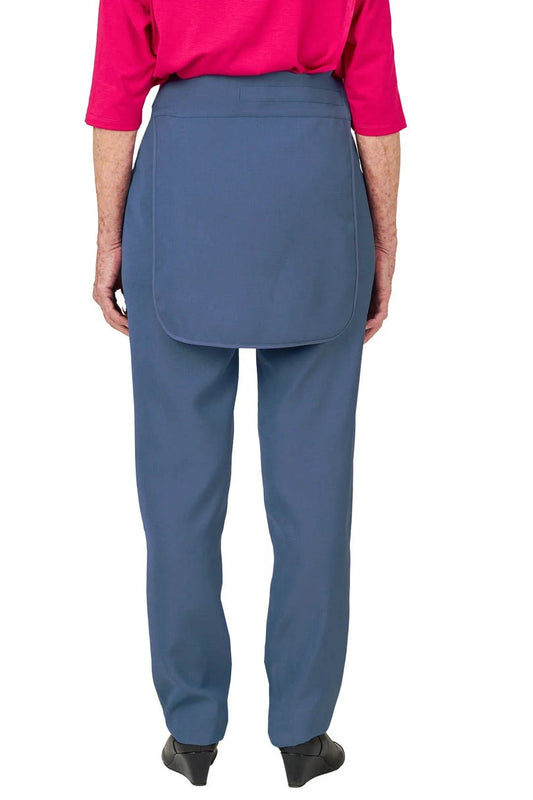
The Men’s Easy On Side Opening Jeans combine adaptive dressing features with a familiar everyday style designed to help make dressing feel easier and more comfortable.
Accessibility becomes more meaningful when consumers can see how real feedback shaped the final product.

Men’s Easy On Side Opening Jeans
Top Adaptive Picks Inspired by Inclusive Design
Adaptive products shaped through thoughtful feedback and accessibility focused design can help make everyday routines feel more comfortable and manageable.
Some adaptive favorites include:
• Women’s Open Back Floral Knit Shirt for Assisted Dressing
• Men’s Adaptive Long Sleeve Back Opening Polo Shirt
• Women’s Easy Access Open Back Snap Closure Shirt