⏳5 minutes of your time could win you a $50 gift card! 🎉Help us design our new adaptive apparel launch by sharing your experience. 👕 Link Here 👈
Creating an accessible beauty product is not as simple as choosing a pretty bottle, adding a popular ingredient, and sending it to shelves. When a product is designed for people with limited dexterity, low vision, chronic pain, tremors, aging-related needs, or caregiver-supported routines, every detail matters. The cap, pump, label, applicator, texture, and instructions all shape whether the product feels empowering or frustrating. For June Adaptive, this process reflects a larger truth: inclusive design takes time because real accessibility requires listening, testing, revising, and launching with care.
Research Phase With Consumers
The first stage of accessible beauty product development is research, and it is often the most important part. Before a brand designs a jar, bottle, wand, tube, compact, or applicator, it needs to understand what people actually struggle with.
That means speaking with disabled consumers, older adults, caregivers, occupational therapists, beauty users with chronic conditions, and people who have temporary injuries or mobility changes. It also means watching how people use products in real life. A person may not describe a twist cap as “inaccessible,” but they might say, “I avoid using this because it hurts my hand.” That is the insight brands need.
Accessible beauty research may explore questions like:
-
Can the product be opened with one hand? This matters for people with limb differences, stroke-related weakness, arthritis, tremors, or anyone who needs to stabilize themselves while getting ready.
-
Is the packaging easy to grip? Smooth, tiny, slippery, or overly decorative packaging can be difficult for people with reduced hand strength or coordination.
-
Can the label be read easily? Font size, contrast, ingredient clarity, and instructions matter for people with low vision or cognitive accessibility needs.
-
Does the routine feel dignified? A product should not make someone feel like accessibility means giving up beauty, style, or independence.
This research stage can take weeks or months depending on the product, the number of users involved, and how deeply the brand is testing. For an accessible product, rushing this step is risky. If the research is too shallow, the product may look inclusive in marketing but fail in daily use.
The U.S. Access Board describes itself as a federal agency that advances accessible design standards and guidelines under laws including the Americans with Disabilities Act. While beauty packaging is not governed by one simple “accessibility checklist,” the broader principle is clear: accessibility has to be intentionally designed, not assumed.
At June Adaptive, this mirrors how adaptive apparel should be developed. A designer cannot simply add Velcro and call a garment adaptive. The team has to understand dressing pain points, seated fit, fabric sensitivity, caregiver needs, closure placement, and the emotional side of getting dressed. Beauty products are the same way. The research phase is where brands learn what access actually means.
Prototyping and Testing Iterations
After research comes prototyping. This is where ideas become physical samples. A brand may test different cap shapes, pump styles, applicator lengths, grip textures, bottle weights, closure mechanisms, label layouts, or product textures.
The first prototype is rarely perfect. In accessible design, that is expected. A cap may be easy to hold but too hard to twist. A pump may dispense well but require too much pressure. A foundation bottle may look beautiful but roll off the counter. A mascara wand may be precise for one user but difficult for someone with tremors.
This is why iteration matters. The product has to go through cycles of testing and revision. A typical process may look like this:
-
Create a basic prototype based on research findings.
-
Test it with users who have different access needs.
-
Record where people struggle, hesitate, compensate, or ask for help.
-
Adjust the design and test again.
-
Repeat until the product becomes easier, safer, and more comfortable to use.
Microsoft’s inclusive design guidance explains that inclusive design is a method, while accessibility is an attribute. In other words, practicing inclusive design gives teams a stronger chance of creating accessible outcomes, but the final product still needs to be tested deliberately.
For beauty, this stage is especially complex because packaging and formula interact. A thicker cream may need a jar or pump that can handle the texture. A serum may need packaging that prevents spills. A product for sensitive skin may need protection from air, light, or contamination. A lip product may need an applicator that allows control without demanding perfect fine motor precision.
Prototyping can take several months, especially when accessibility testing is done thoughtfully. The best brands do not treat disabled consumers as a final approval group at the end. They involve them throughout the process.
Manufacturing Scale-Up Challenges
Once a prototype works, the next question is: can it be made at scale?
This is where many product timelines stretch. A sample made in a lab or small workshop may be very different from something produced thousands or millions of times. Manufacturing scale-up requires consistency, supply chain planning, cost control, quality assurance, packaging sourcing, and vendor coordination.
Accessible beauty products can face added challenges because inclusive packaging may require custom molds, textured surfaces, larger components, alternative closures, or more durable materials. These changes can affect cost, shipping weight, shelf space, sustainability goals, and production timelines.
For example, a brand might discover that an easy-grip cap is comfortable for users but harder to manufacture with existing equipment. Or a pump may be accessible in testing but too expensive unless ordered in large quantities. A tactile label may be helpful but require a different printing process.
Manufacturing teams have to balance:
-
Accessibility: Does the design actually work for people with different needs?
-
Consistency: Can every unit be produced with the same usability and quality?
-
Durability: Will the packaging survive shipping, storage, bathroom humidity, and everyday handling?
-
Cost: Can the product remain financially realistic for both the brand and the customer?
-
Sustainability: Can packaging be accessible without creating unnecessary waste?
Accessible packaging is increasingly being discussed across industries because easy opening, clear information, and safe handling benefit many people, including those with limited dexterity, vision impairments, and age-related changes. Packaging industry sources describe accessible packaging as design that helps people open, handle, read, and use products more safely and effectively.
For June Adaptive, this stage feels familiar. Adaptive clothing also has to move from concept to production. A magnetic closure, seated-friendly pant, sensory-conscious seam, or easy-on design must be manufacturable, durable, washable, and stylish. Good ideas only become good products when they survive real-world production.
Regulatory Approvals and Certifications
Beauty products in the United States are regulated differently depending on what they claim to do. A standard cosmetic product has different requirements than an over-the-counter drug product, such as some sunscreens, acne treatments, or anti-dandruff products. That distinction affects timelines.
For cosmetics, the FDA explains that the Modernization of Cosmetics Regulation Act of 2022, known as MoCRA, created new requirements for cosmetic companies, including facility registration, product listing, serious adverse event reporting, and safety substantiation. The FDA also states that a responsible person must ensure and maintain records supporting adequate safety substantiation for cosmetic products.
The FDA’s cosmetics labeling guidance also notes that if a cosmetic’s safety is not adequately substantiated, the product may be considered misbranded unless it carries a warning statement that the product’s safety has not been determined.
This matters for product timelines because safety work is not optional. Brands may need to complete or review:
-
Ingredient safety documentation
-
Stability testing
-
Microbial testing
-
Preservative effectiveness testing
-
Packaging compatibility testing
-
Label reviews
-
Allergen and fragrance considerations
-
Claims review
-
Adverse event reporting systems
-
Facility and product listing requirements under MoCRA
If the product is also making accessibility-related claims, brands need to be careful and specific. Saying “easy-open pump tested with users with limited dexterity” is more meaningful than making vague claims like “perfect for everyone.” Accessible design should be described clearly and honestly.
Certifications can also add time. Some brands may seek dermatologist testing, ophthalmologist testing, cruelty-free certification, vegan certification, fragrance-free validation, National Eczema Association review, or retailer-specific compliance checks. These are not always legally required, but they can help build customer trust when used responsibly.
For sensitive skin, adaptive beauty, or caregiver-supported routines, trust is everything. A product that touches the skin, face, eyes, or lips needs to be safe, clear, and reliable. This phase may not be as visually exciting as packaging design, but it protects the customer and the brand.
Launch Strategies and Market Education
A product is not finished when it leaves the factory. The launch phase is where the brand teaches people what the product is, who it is for, how to use it, and why accessibility matters.
Accessible beauty often requires more education than standard beauty launches because customers may not immediately understand the design choices. A larger cap may look like a style choice unless the brand explains that it supports easier grip. A pump may look ordinary unless the product page shows one-handed use. A textured handle may go unnoticed unless demonstrated in photos, videos, or creator reviews.
Launch education should include:
-
Clear product pages: Show the cap, pump, applicator, grip area, label size, and how the product is used.
-
Accessible content: Use captions, alt text, readable contrast, plain language, and screen-reader-friendly pages.
-
Creator demonstrations: Disabled influencers and accessibility advocates can show how the product works in daily routines.
-
Customer support training: Support teams should understand the accessibility features and be able to answer practical questions.
-
Retail education: Store associates and online retailers need clear information so shoppers can find the right product.
This is also where accessible beauty connects deeply with community. A launch should not sound like a brand announcing, “We solved accessibility.” It should sound like, “We listened, built, tested, and want to keep learning.”
For June Adaptive, this is central to inclusive innovation. Adaptive fashion is not only about product features. It is about helping people understand their options, feel seen, and choose products that make daily routines easier. Beauty brands can learn from this approach. The best launch strategies invite conversation, not just conversion.
So, How Long Does Accessible Beauty Product Development Take?
There is no single universal timeline, but accessible beauty usually takes longer than a standard product refresh because it requires deeper research, more usability testing, and careful manufacturing decisions.
A very simple update, such as improving a cap or adding clearer labeling, may take several months. A more complex product, such as a new formula with custom accessible packaging and clinical-style testing, can take a year or more. If the product involves over-the-counter drug claims, specialized certifications, or major manufacturing changes, the timeline can stretch further.
A realistic accessible beauty timeline may include:
-
Research and user interviews: 1 to 3 months
-
Concept development and early prototypes: 2 to 4 months
-
User testing and design iterations: 3 to 6 months
-
Formula, packaging, and stability testing: 3 to 9 months or more
-
Manufacturing scale-up and quality checks: 2 to 6 months
-
Regulatory, labeling, and launch preparation: 2 to 4 months
These stages can overlap, but they cannot all be skipped. The most responsible brands build time into the process for feedback and revision. Accessibility is rarely achieved in one draft.
Why Slower Can Mean Better
In a trend-driven beauty market, speed gets a lot of attention. Brands want to launch quickly, respond to viral moments, and keep shelves fresh. But accessible beauty asks brands to slow down in the right places.
Slower research can prevent harmful assumptions. Slower prototyping can reveal real usability barriers. Slower launch planning can help customers understand what makes the product accessible. Slower collaboration can build trust with disabled consumers and caregivers.
That does not mean accessible product development has to be inefficient. It means the timeline should respect the people the product is meant to serve.
A rushed accessible product can create disappointment. A thoughtful accessible product can create loyalty, trust, and independence.
How Accessible Beauty and Adaptive Fashion Share the Same Design Mindset
Accessible beauty and adaptive fashion may look like different categories, but they share the same foundation: design should reduce barriers.
In beauty, that might mean a pump that works with limited grip strength, a label with better contrast, or an applicator that is easier to control. In apparel, it might mean magnetic closures, side openings, seated-friendly pants, soft fabrics, or clothing that supports dressing with less pain and less assistance.
Both categories require humility. Designers have to admit that they may not know what a person experiences when opening a bottle with arthritis, applying mascara with tremors, fastening pants from a seated position, or getting dressed after surgery. That knowledge comes from the community.
June Adaptive’s commitment to accessibility is rooted in this kind of listening. Inclusive innovation is not only about launching products. It is about creating products that feel useful, respectful, comfortable, and empowering in real life.
The Future of Accessible Beauty Development
As more brands recognize the need for accessibility, product development timelines may become more efficient. More packaging suppliers may offer accessible components. More retailers may request accessibility details. More disabled creators and consultants may shape product launches. More companies may include accessibility testing as a standard part of development, not a special project.
That is the future worth building.
Accessible beauty should not be treated as a niche category. It should be part of how beauty products are made from the beginning. When brands design with accessibility in mind, they create products that can help disabled consumers, older adults, caregivers, people recovering from injury, and anyone who wants easier daily routines.
Product development takes time because people deserve products that work. The goal is not just to launch faster. The goal is to launch better.

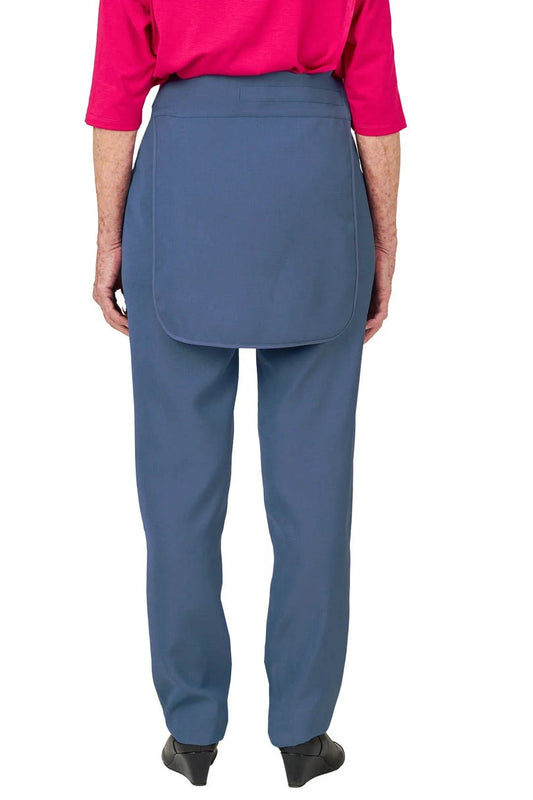
Women’s Side-Opening Easy Dressing Elastic Waist Pants


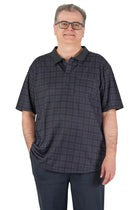
Men’s Adaptive Back-Opening Bamboo Sport Shirt
If you enjoyed this blog, please sign up to the June Adaptive Newsletter below to receive more updates! Share your experience in our 5-minute survey to inform our new adaptive apparel launch. Get a chance to win a $50 gift card Link here
Summary/Expert:
Accessible beauty product development can take months to more than a year because brands must research consumer needs, prototype usable packaging, test formulas, scale manufacturing, meet U.S. cosmetic requirements, and educate the market at launch. Unlike standard beauty launches, accessible products require deeper input from disabled consumers, older adults, caregivers, and people with real-world access needs. Timelines may feel longer, but that time helps prevent performative inclusion and leads to products that are easier to open, hold, apply, understand, and trust. June Adaptive’s approach to inclusive innovation follows the same principle: accessibility is strongest when it is designed, tested, and improved with the community from the start.