Written by: Zuhair Augla
Photo by: Toa Heftiba
For anyone who has experienced the frustration of reactive, easily irritated skin, the search for effective yet gentle ingredients can feel endless. Harsh synthetic formulations often promise results but deliver redness, stinging, and further sensitivity. This is where plant-derived actives, particularly those extracted from licorice root, offer a compelling alternative. Glycyrrhetinic acid, the star compound found in licorice extract, has emerged as one of the most promising botanical ingredients for achieving calm, healthy skin without the irritation that plagues so many conventional treatments.
The appeal of plant-based skincare extends beyond mere ingredient preference. For those with sensitive or compromised skin barriers, botanical actives often provide the therapeutic benefits they need while respecting the skin's delicate ecosystem. Understanding how these ingredients work, and how to find products that incorporate them thoughtfully, can transform a frustrating skincare journey into one of genuine healing and comfort.
Understanding Licorice Extract and Its Anti-Inflammatory Properties
Licorice root, known scientifically as Glycyrrhiza glabra, has been used medicinally for thousands of years across multiple cultures. Ancient Egyptian, Chinese, and Greek healers all recognised its soothing properties, using it to treat everything from digestive complaints to skin irritations. Modern science has since validated what traditional medicine long understood: licorice contains powerful compounds that calm inflammation and support skin health.
The anti-inflammatory action of licorice extract stems from its ability to inhibit several key inflammatory pathways in the skin. When skin becomes irritated or damaged, the body initiates an inflammatory response characterised by redness, swelling, and discomfort. Licorice compounds intervene in this cascade, reducing the production of pro-inflammatory molecules and helping to restore equilibrium.
Beyond inflammation, licorice extract offers additional benefits that make it particularly valuable for sensitive skin types. It demonstrates antioxidant activity, protecting skin cells from environmental damage. It shows promise in addressing hyperpigmentation by inhibiting tyrosinase, the enzyme responsible for melanin production. And it possesses antimicrobial properties that can help maintain a healthy skin microbiome.
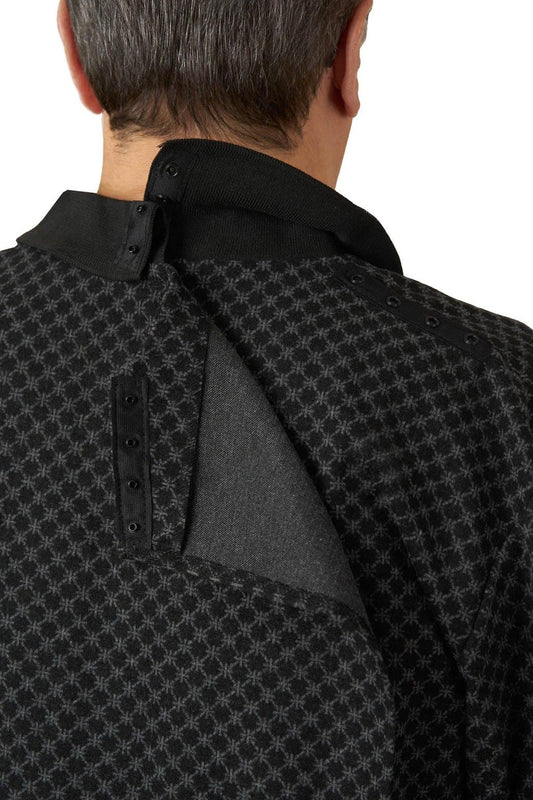
For those managing sensitive skin conditions, the importance of comfortable, non-irritating clothing cannot be overstated. Just as we seek gentle ingredients for our skincare, the fabrics that touch our skin throughout the day matter enormously. June Adaptive's women's active top with back overlap exemplifies how thoughtful design can support sensitive skin, featuring soft materials and an easy-to-wear construction that minimises friction and irritation during daily activities.
Women's active top with back overlap
Glycyrrhetinic Acid Versus Whole Licorice Extract Efficacy
When examining licorice-based skincare ingredients, it's important to distinguish between whole licorice extract and its isolated active compound, glycyrrhetinic acid. Both have their place in formulation, but they offer different benefits and considerations.
Whole licorice extract contains the full spectrum of compounds naturally present in the root, including glycyrrhizin (which converts to glycyrrhetinic acid), flavonoids, and various polyphenols. This comprehensive profile means that whole extract delivers multiple mechanisms of action simultaneously. The various compounds work synergistically, potentially enhancing overall efficacy while providing a broader range of benefits.
Glycyrrhetinic acid, on the other hand, represents a more targeted approach. As the primary active metabolite of glycyrrhizin, it delivers concentrated anti-inflammatory action. Studies have demonstrated its ability to inhibit 11-beta-hydroxysteroid dehydrogenase, an enzyme involved in cortisol metabolism in the skin. This mechanism gives glycyrrhetinic acid mild corticosteroid-like effects without the side effects associated with actual steroid use.
The choice between whole extract and isolated glycyrrhetinic acid often depends on the specific skin concern being addressed. For general soothing and antioxidant protection, whole extract provides excellent results. For more targeted anti-inflammatory action or hyperpigmentation concerns, formulations featuring concentrated glycyrrhetinic acid may prove more effective.
Research comparing the two has shown that both forms demonstrate significant anti-inflammatory activity, though glycyrrhetinic acid tends to show more potent results in standardised concentrations. However, whole extract formulations benefit from the entourage effect, where multiple compounds enhance each other's activity in ways that isolated compounds cannot replicate.
Supporting the Skin Barrier While Reducing Redness
A compromised skin barrier lies at the heart of most sensitive skin conditions. When the outermost layer of skin fails to function properly, moisture escapes, irritants penetrate more easily, and the cycle of inflammation perpetuates itself. Effective sensitive skin care must address both the symptoms (redness, irritation) and the underlying cause (barrier dysfunction).
Glycyrrhetinic acid and licorice-derived actives excel in this dual role. While calming visible redness and reducing the inflammatory response, these compounds simultaneously support barrier repair. They help regulate sebum production, maintain optimal hydration levels, and protect against the oxidative stress that can further damage vulnerable skin.
The barrier-supporting properties of licorice actives make them particularly valuable for conditions like rosacea, eczema, and contact dermatitis. In these conditions, the skin barrier is chronically compromised, leading to persistent sensitivity and reactivity. Regular use of products containing glycyrrhetinic acid or licorice extract can help break this cycle, gradually strengthening the barrier while providing ongoing relief from symptoms.
Creating a supportive environment for skin healing extends beyond topical products. The clothing we wear plays a significant role in either aggravating or soothing sensitive skin. Rough fabrics, tight closures, and irritating seams can all trigger flare-ups in reactive skin.
 Women's shirt with magnetic buttons
This is why many people with skin sensitivities gravitate toward adaptive clothing options like June Adaptive's women's shirt with magnetic buttons, which eliminates the friction of traditional buttons while providing a polished appearance. The gentle magnetic closures mean less manipulation of fabric against sensitive skin during dressing.
Plant-Based Alternatives for People Sensitive to Synthetic Ingredients
For individuals whose skin reacts poorly to synthetic ingredients, plant-derived actives offer a welcome refuge. While not everyone experiences sensitivity to synthetic compounds, a significant portion of the population finds that their skin responds better to botanically-derived ingredients. This isn't merely perception; there are legitimate reasons why plant-based formulations may suit sensitive skin better.
Many synthetic skincare ingredients are designed to penetrate deeply and act aggressively. While this approach works well for resilient skin types, it can overwhelm sensitive skin. Plant-derived actives, having evolved alongside human biology over millennia, often interact more gently with skin's natural processes. They tend to work with the skin rather than forcing changes upon it.
Beyond licorice, numerous plant-derived actives offer benefits for calm, healthy skin. Centella asiatica (cica) provides wound-healing and anti-inflammatory properties. Chamomile contains bisabolol and chamazulene, both powerful soothers. Green tea delivers antioxidant protection through its catechin content. Aloe vera offers hydration and cooling relief. Oat extract calms itching and irritation through its avenanthramide content.
Building a plant-based skincare routine requires the same thoughtful approach as building any effective regimen. Patch testing remains essential, as natural doesn't automatically mean non-reactive. Some individuals may be sensitive to specific botanical compounds just as others react to synthetic ones. The key lies in identifying which plant actives work harmoniously with your particular skin.
This philosophy of choosing what works best for individual needs extends to all aspects of self-care, including how we dress. Comfort becomes especially important during skincare routines and relaxation time.
 Men's wide non-slip indoor slippers with easy closures
June Adaptive's men's wide non-slip indoor slippers with easy closures represent this same thoughtful approach to design, providing comfort and ease that complement a wellness-focused lifestyle. The easy closures and supportive design make them ideal for anyone prioritising comfort during their daily routines.
Finding Accessible Products Featuring These Botanical Actives
Despite the growing interest in plant-derived skincare actives, finding products that feature them in effective concentrations can prove challenging. The skincare market is flooded with products that include botanical ingredients at token levels, listed primarily for marketing appeal rather than therapeutic benefit.
When searching for effective licorice-based products, look for glycyrrhetinic acid, dipotassium glycyrrhizate, or licorice root extract listed in the first third of the ingredient list. Placement matters in skincare formulation; ingredients are listed in descending order of concentration, so botanicals buried at the bottom of a lengthy list likely appear in negligible amounts.
Formulation context also matters significantly. Glycyrrhetinic acid works best in products designed to remain on the skin, such as serums, moisturisers, and treatment creams. Cleansers and products that rinse off quickly provide less opportunity for the active to work. Similarly, the overall formulation should support the active ingredient rather than counteracting it. A product containing soothing licorice extract alongside known irritants like high concentrations of alcohol or fragrance sends mixed signals to sensitive skin.
Packaging deserves consideration as well. Many plant-derived actives, including those from licorice, are susceptible to degradation from light and air exposure. Products packaged in clear containers or jars that require repeated opening may lose potency quickly. Airless pumps and opaque packaging help preserve the integrity of botanical actives over the product's lifespan.
Price doesn't always correlate with quality in botanical skincare. Some affordable products from science-focused brands feature impressive concentrations of plant actives, while expensive luxury products may contain only trace amounts. Reading ingredient lists and researching brand formulation philosophies proves more valuable than relying on price as a quality indicator.
For those beginning to explore botanical actives for sensitive skin, starting with a single product containing licorice-derived ingredients allows for proper assessment of how your skin responds. Introducing multiple new products simultaneously makes it impossible to identify which ingredients help and which may cause problems. Patience serves sensitive skin well; give new products several weeks to demonstrate their effects before making judgments.
Embracing a Holistic Approach to Skin Health
The journey toward calm, healthy skin encompasses more than the products we apply topically. Diet, stress management, sleep quality, and environmental factors all influence skin health. Plant-derived actives like glycyrrhetinic acid offer powerful tools, but they work best as part of a comprehensive approach to wellness.
Understanding that skin sensitivity often reflects broader systemic factors helps set realistic expectations. Botanical actives can provide significant relief and support healing, but they cannot override the effects of chronic stress, poor nutrition, or inadequate sleep. Viewing skincare as one component of overall self-care creates a foundation for lasting improvement.
The growing body of research supporting plant-derived actives for sensitive skin validates what many have discovered through personal experience. Ingredients like glycyrrhetinic acid offer genuine therapeutic benefits backed by scientific evidence, not just marketing claims. As formulation science advances and our understanding of botanical compounds deepens, the options available to those with sensitive, reactive skin continue to expand.
For anyone struggling with skin that seems to react to everything, the world of plant-derived actives offers hope. Licorice extract and its derivatives represent just one family of botanical ingredients capable of transforming sensitive skin from a source of frustration into skin that feels comfortable, looks healthy, and responds calmly to the world around it.
Share your experience in our 5-minute survey to inform our first accessible hygiene line. Get a chance to win a $50 gift card. Link Here”