Written by: Zuhair Augla
Photo by: Kelly Sikkema
When you struggle to open a jar of pasta sauce, peel back the seal on a bottle of medication, or wrestle with the plastic clamshell packaging around a new pair of headphones, you're experiencing a design failure. These frustrating moments aren't just minor inconveniences. They represent a fundamental disconnect between the people who create products and the diverse range of humans who use them. Universal design offers a different approach: one where accessibility isn't an afterthought but the foundation upon which all consumer goods are built.
The philosophy behind universal design is deceptively simple. Rather than designing for an imaginary "average" user and then retrofitting solutions for everyone else, universal design starts with the premise that human ability exists on a spectrum. When we design for the edges of that spectrum, we create products that work better for everyone in the middle too.
Core Principles of Universal Design in Consumer Goods
Universal design rests on seven foundational principles that guide creators toward more inclusive products. These principles (equitable use, flexibility in use, simple and intuitive operation, perceptible information, tolerance for error, low physical effort, and appropriate size and space for approach and use) provide a framework for thinking beyond the limitations of traditional design.
Consider something as mundane as a shampoo bottle. A universally designed version might feature a distinctive shape that differentiates it from conditioner by touch alone, a pump mechanism that requires minimal grip strength, clear high-contrast labelling for those with visual impairments, and a stable base that prevents tipping. None of these features diminish the experience for any user, yet they dramatically improve it for many.
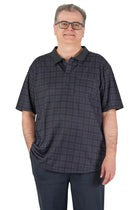
The beauty of these principles lies in their transferability across product categories. The same thinking that creates better packaging design has revolutionised industries from architecture to technology, and increasingly, fashion. Brands like June Adaptive have embraced these principles in clothing design, recognising that getting dressed is a daily activity that should be accessible to everyone. Their men's side zipper pants exemplify how thoughtful design can eliminate barriers without sacrificing style, featuring side zippers that make dressing easier for those with limited mobility or dexterity while maintaining a polished, professional appearance.

How Designing for People with Disabilities Benefits Aging Consumers
One of the most compelling arguments for universal design is what designers call the "curb cut effect." When sidewalk curbs were first modified with small ramps in the 1970s to accommodate wheelchair users, something unexpected happened. Parents with pushchairs found them invaluable. Delivery workers with hand trucks used them constantly. Travellers rolling luggage, cyclists, and anyone temporarily on crutches benefited from this simple modification. A change made for a small percentage of the population improved life for nearly everyone.
The same principle applies throughout consumer product design. The aging population, one of the fastest-growing demographic segments globally, benefits enormously from products designed with disability in mind. Arthritis affects approximately 350 million people worldwide, and age-related conditions like reduced grip strength, diminishing eyesight, and decreased dexterity touch nearly every person who lives long enough.
Packaging designed for someone with severe arthritis (featuring easy-grip surfaces, simple twist mechanisms, and clear visual indicators) works beautifully for a sixty-five-year-old whose hands aren't quite as nimble as they once were. Large, legible text intended for those with visual impairments helps anyone reading a label in dim lighting. Intuitive opening mechanisms designed for cognitive accessibility benefit everyone who's ever been confused by unnecessarily complicated packaging.
This principle extends well beyond packaging into everyday essentials like clothing. The challenges faced by someone recovering from shoulder surgery aren't dramatically different from those experienced by an older adult with limited range of motion. Products like June Adaptive's women's easy front closure bra address both populations simultaneously. The front closure eliminates the need for reaching behind the back, a motion that becomes difficult or impossible for many people as they age or when recovering from injury or surgery. What serves as an essential adaptation for one person becomes a welcome convenience for another.
Women's easy front closure bra
Temporary Disabilities and Situational Limitations
Perhaps the most overlooked aspect of universal design is its relevance to temporary and situational limitations. Disability isn't always permanent. It can be as fleeting as a broken arm, as temporary as post-surgical recovery, or as situational as carrying a sleeping child while trying to open a door.
Think about the last time you tried to open a package while holding a phone to your ear, or attempted to read small print in a dimly lit restaurant. In those moments, you experienced situational disability. Your capabilities were temporarily limited by your circumstances, not by any permanent condition. Universal design accounts for these realities, creating products that accommodate human life in all its messiness.
A new parent, chronically sleep-deprived and often operating with only one free hand, benefits from packaging that opens easily with a single motion. Someone recovering from carpal tunnel surgery needs products that don't require grip strength or fine motor control. A person whose dominant hand is in a cast must suddenly navigate a world designed primarily for two-handed operation.
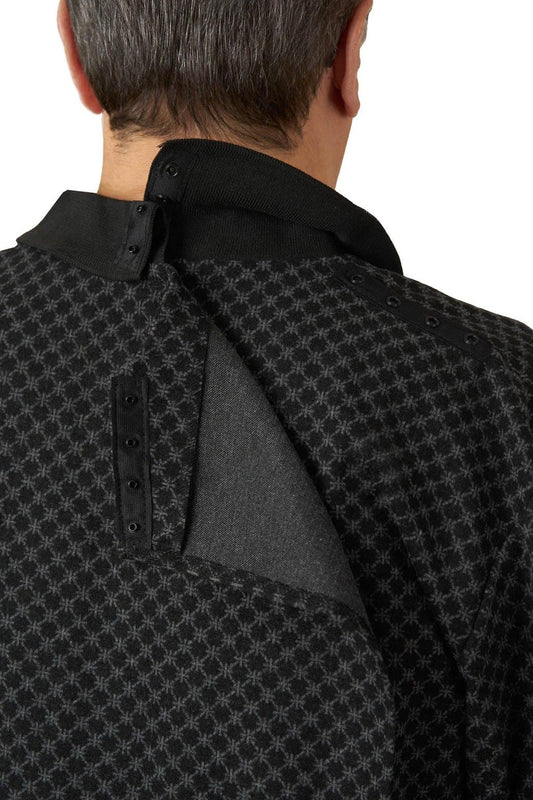
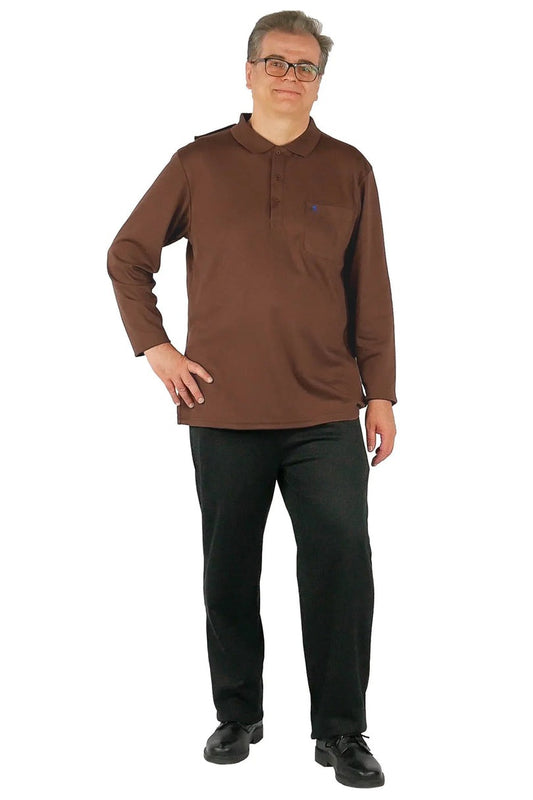
The temporary nature of these limitations doesn't diminish their impact. Anyone who has broken an arm knows the profound frustration of suddenly being unable to perform simple daily tasks. Clothing becomes a particular challenge, as buttons, zippers, and traditional fastenings all assume a level of dexterity and bilateral hand function that isn't always available. This is precisely why adaptive clothing options like men's easy dressing pants with elastic waist have gained popularity not just among those with permanent disabilities, but among post-surgical patients, rehabilitation facilities, and anyone temporarily navigating reduced mobility.
Men's easy dressing pants with elastic waist
The Absence of Trade-offs Between Accessibility and Aesthetics
A persistent myth in design circles suggests that accessibility necessarily comes at the expense of aesthetics. This couldn't be further from the truth. The most elegant designs often emerge when creators work within constraints, and accessibility requirements are simply another set of constraints that can drive innovation.
Consider the evolution of the OXO Good Grips kitchen utensil line. Originally designed to help the founder's wife, who had arthritis, these tools feature large, soft handles that are easier to grip. But rather than looking medical or institutional, they're sleek, modern, and aesthetically appealing. The accessibility features became selling points, and the products found success with a mainstream audience who simply appreciated well-designed tools.
The same principle applies across categories. Beautifully designed packaging can be accessible. Sophisticated typography can also be highly legible. Elegant product forms can incorporate tactile cues and easy-open mechanisms. The constraint of accessibility pushes designers toward more thoughtful, human-centred solutions, and these solutions often prove more beautiful precisely because they work better.
This rejection of the aesthetics-accessibility trade-off represents a maturation in design thinking. Earlier approaches to accessibility often treated it as an add-on, resulting in products that screamed "medical equipment" rather than "thoughtfully designed consumer goods." Today's best universal design work integrates accessibility so seamlessly that it becomes invisible, present in every curve and mechanism but never calling attention to itself as a special accommodation.
Global Examples of Universal Design in Hygiene Products
The hygiene product industry offers some of the most innovative examples of universal design in action. These everyday essentials (toothpaste, soap, deodorant, feminine care products) must serve diverse populations with varying abilities, and forward-thinking companies have risen to the challenge.
Procter & Gamble's Herbal Essences line introduced tactile markings on their bottles: raised dots and dashes that allow users with visual impairments to distinguish between shampoo and conditioner by touch. This simple addition, inspired by inclusive design principles, costs virtually nothing to implement yet provides meaningful benefit to millions.
Unilever's Degree Inclusive deodorant, developed with input from people with upper limb disabilities, features a hooked design for one-handed use, a magnetic closure that's easy to operate, and an enhanced grip surface. It's marketed not as a "disability product" but as an innovation that works for everyone, from athletes gripping the container with sweaty hands to older adults with reduced dexterity.
In Japan, where an aging population has driven decades of accessible design innovation, many hygiene products feature standardised notches and textures that communicate product type through touch. This systemised approach means consumers can learn a tactile vocabulary that works across brands.
Even toothpaste tubes have evolved, with some manufacturers introducing squeeze-from-anywhere packaging, larger caps for easier gripping, and standing designs that eliminate the need to pick up and manipulate the tube with each use. These innovations emerged from accessibility thinking but benefit all consumers, reducing waste and simplifying daily routines.
The Future of Universal Design
As populations age globally and awareness of disability issues increases, universal design is moving from niche concern to mainstream expectation. Consumers increasingly evaluate products not just on function and price but on how thoughtfully they've been designed for human diversity.
This shift represents an enormous opportunity for brands willing to invest in truly inclusive design. The market for accessible products isn't a small segment. It's everyone. Every person who has struggled with packaging, every aging consumer whose needs are changing, every parent juggling multiple demands, every person recovering from injury or surgery. Universal design isn't charity; it's smart business built on empathy and human understanding.
The products we interact with daily, from the packaging on our pantry shelves to the clothes we wear, have the power to either create barriers or eliminate them. Universal design chooses elimination, recognising that when we design for human diversity, we design better products for everyone. The future belongs to brands that understand this truth and embed it in everything they create.
Share your experience in our 5-minute survey to inform our first accessible hygiene line. Get a chance to win a $50 gift card. Link Here”