Written By: Hannah Martin
⏳5 minutes of your time could win you a $50 gift card! 🎉Help us design our new adaptive apparel launch by sharing your experience. 👕 Link Here 👈
Introduction
Frequent handwashing is non-negotiable when it comes to preventing infections, and yet that very necessity can quietly wear your skin down day after day. That tension between keeping people safe and keeping your hands comfortable is exactly why better hand soap for sensitive hands matters so much. Let's explore accessible hygiene solutions that actually work with your body, and it all starts with something as simple as the soap you reach for dozens of times a day.

Frequent Handwashing and Barrier Protection for Healthcare Workers
For nurses, personal support workers, occupational therapists, and other frontline staff, hand hygiene is woven into every single patient encounter; shift after shift, day after day. Handwashing with soap and water is one of the most effective defenses against healthcare-associated infections, and clinical guidelines consistently emphasize proper technique and consistent use of either soap and water or alcohol-based hand rubs when hands aren't visibly soiled.
But when you're lathering up dozens of times per shift, even a product labeled "gentle" can start to feel anything but.
Over time, repeated washing strips away the skin's natural lipids, weakens the barrier, and increases transepidermal water loss. This can show up as dryness, itching, and redness. Here's the part that often gets overlooked: damaged skin isn't just uncomfortable, it's actually more vulnerable. When the skin barrier is compromised, irritants and microbes from your environment can penetrate more easily, triggering inflammation. For healthcare workers with eczema, psoriasis, or naturally sensitive skin, this can quickly escalate into occupational dermatitis that affects not just your workday, but your whole quality of life.
Why does barrier protection matter so much? Think of your skin like a brick wall. The "bricks" are your skin cells. The "mortar" is made up of natural oils, ceramides, and lipids that lock moisture in and keep irritants out. Frequent washing wears down that mortar. When gaps form in the wall, everything from soap residue to disinfectants to glove materials can get through, and that's when things get uncomfortable fast.
For healthcare workers and caregivers, supporting that barrier isn't a luxury. It's a safety measure for you and the people you care for.
Here are a few simple habits that can make a real difference during a busy shift:
-
Choose fragrance-free or low-fragrance soaps labeled for sensitive skin, especially in staff areas where everyone's washing frequently.
-
Rinse with lukewarm water, not hot. Extra heat adds to the drying effect.
-
Create anchor points for moisturizing in your day: before your shift, at lunch, and after you're done. These consistent touchpoints can help your skin recover before damage compounds.
-
Keep a travel-sized sensitive-skin moisturizer accessible, in your pocket or at your station, so reapplying is easy and not an afterthought.
At June Adaptive, we look at hand hygiene through the same lens as adaptive clothing: frequent, repetitive tasks should support your body, not wear it down.
Sensitive Hand Formulations: Balancing Cleanliness and Gentleness
Here's the good news. Choosing a gentler soap doesn't mean sacrificing effectiveness. For healthcare workers and caregivers, the difference between a standard formula and one designed for sensitive skin can be the difference between ending the week with intact, comfortable hands or painful, cracked ones.
When you're shopping for a hand soap for sensitive hands, here's what's worth looking for on the label:
-
Fragrance-free or hypoallergenic is probably the single most important feature. Fragrance is one of the most common skin irritants and allergens, especially with repeated daily use. If it smells lovely but leaves your hands stinging, it's working against you.
-
pH-balanced or "mild pH" formulas are better tolerated by most skin types because they're closer to your skin's natural, slightly acidic pH. Very alkaline soaps tend to be harsher.
-
Minimal dyes and colorants. Bright colors look appealing, but add unnecessary potential irritants to a product you're using all day long.
-
Surfactants marketed as gentle, look for terms like "mild," "for sensitive skin," or "dermatologist-tested." These labels often indicate the use of milder cleansing agents that clean effectively without stripping as aggressively.
Even in healthcare environments where product selection happens at an institutional level, staff feedback about skin irritation can genuinely influence purchasing decisions. If something is hurting your hands, speak up (that input matters!) And it's exactly the kind of lived experience that shapes what "good design" really means to us at June Adaptive.
Accessible Hand Soap Dispensers (Foam, Liquid, Bar Alternatives)
Here's something that doesn't get talked about enough. Hand soap isn't just about what's in the bottle. It's also about how you actually get to it. For people living with arthritis, limited grip strength, tremors, limb differences, or who use mobility aids, a standard wall-mounted pump or a slippery bar of soap isn't just inconvenient; it's a genuine barrier to independent hygiene.
Inclusive hand hygiene requires accessible dispensers that people can use comfortably and independently, whether they're in a hospital, an assisted living facility, or their own bathroom at home.
Why dispenser design matters more than you might think: Many healthcare settings use wall-mounted or touchless dispensers to encourage consistent handwashing and reduce cross-contamination. Touchless, motion-activated systems are a great accessibility option (no pressing, no gripping, no fumbling!) Some healthcare-focused dispenser systems are even designed to meet accessibility guidelines, with controls and soap outlets positioned within reachable height ranges.
From an accessibility standpoint, thoughtful details make a world of difference: large paddles instead of tiny push buttons, low-resistance activation for users with limited hand strength, and designs that can be operated with the back of the hand, elbow, or forearm. For wheelchair users or anyone with limited reach, mounting height and clear space around the sink matter just as much as the formula inside.
Foam vs. liquid vs. other formats: Which works best?
Each format has its own advantages depending on the user's needs:
-
Foam soap comes out pre-lathered, which makes it easier to spread with limited hand function and typically requires less water to rinse. The lighter texture also tends to feel gentler on already-irritated skin.
-
Liquid soap is versatile and widely available. In a well-designed dispenser, it delivers consistent doses and pairs well with touchless systems used in healthcare, schools, and public spaces.
-
Bar soap alternatives: because traditional bar soap can be genuinely difficult to grip, especially for anyone with tremors or reduced dexterity. One-press countertop dispensers, soft-touch pumps, and wall-mounted options all reduce the need to grasp and twist, which makes a meaningful difference for independence and dignity.
When we think about accessible soap dispensers at June Adaptive, we're looking for the same thing we look for in adaptive clothing: designs that meet the user where they are, without requiring extra effort, strength, or dexterity. The right dispenser should feel invisible; you shouldn't have to think about it. It should just work.

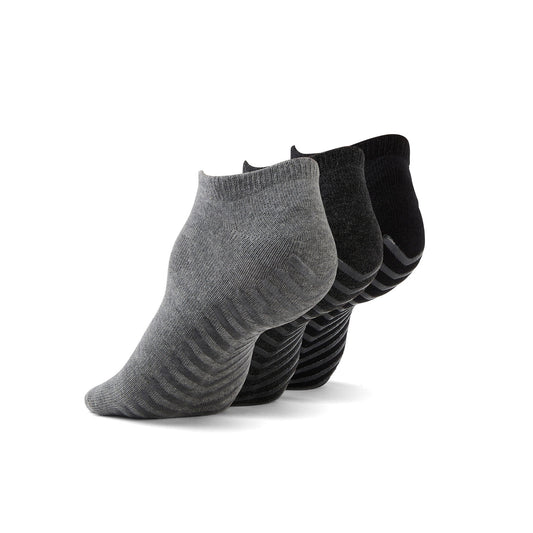
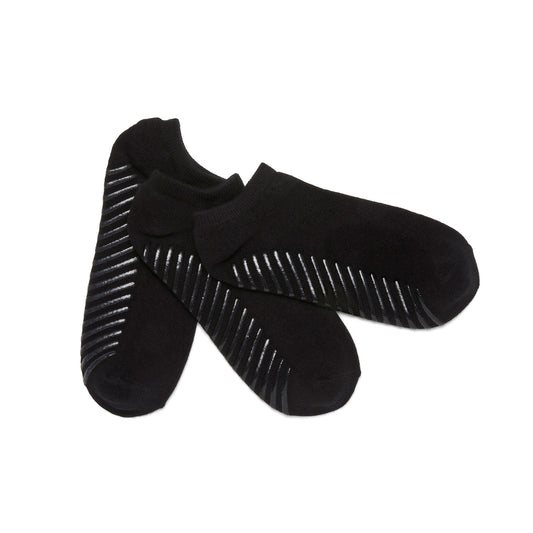
Comfort Crew Anti-Slip Socks 3 Pack
Moisturizing Ingredients in Hand Soap
Sensitive hands need more than "less irritation". They need active support in rebuilding and maintaining that skin barrier we talked about earlier. Well-chosen moisturizing ingredients in hand soap can actually help protect your skin as you wash, which matters enormously for anyone whose hands are in the sink multiple times an hour.
A good hand cream or lotion is still essential; soap can't replace that. But using a soap that also hydrates is one of the easiest ways to reduce cumulative damage over a long shift.
Here are some ingredients worth looking for when you read the label:
-
Glycerin is a humectant, meaning it draws water into the outer layer of skin and helps hold it there. It's one of the most effective and well-researched moisturizing ingredients available.
-
Aloe vera is soothing and calming, particularly helpful if your skin tends toward redness or irritation.
-
Ceramides are lipids that help restore the "mortar" in your skin barrier, making it more resilient over time with repeated use.
-
Oat or colloidal oatmeal has well-established soothing properties and is commonly used in products formulated for eczema-prone skin.
-
Shea butter or plant oils (like sunflower or jojoba) provide emollient benefits. They help smooth and soften dry patches and leave skin feeling more comfortable after washing.
None of these turns hand soap into a full-on moisturizer, but they buffer the drying effect of surfactants and water. For healthcare workers and caregivers who can't always step away to apply lotion, that extra bit of built-in support can genuinely add up across a twelve-hour shift.
If you want a simple routine that actually fits into a busy schedule, here's one that works:
-
Use a mild, fragrance-free soap with built-in moisturizers whenever possible, especially in staff areas and at home.
-
Wash with lukewarm water and avoid aggressive scrubbing; friction itself is an irritant.
-
Pat hands dry instead of rubbing, and pay attention to the skin between your fingers, which is prone to maceration if left damp.
-
Apply a fragrance-free hand cream rich in ceramides or occlusive ingredients during breaks, after work, and before bed.
Small, consistent steps like these add up (and they shouldn't feel like one more thing on an already overwhelming to-do list!)
Preventing Dermatitis from Occupational Handwashing
Occupational hand dermatitis (you know, the red, itchy, cracked, sometimes blistered skin that develops from repeated handwashing) is one of the most common work-related skin conditions in healthcare. It can lead to real pain, time off work, and, in more serious cases, difficulty performing the tasks that are central to your job.
Preventing it requires a combination of the right products, smart habits, and workplace systems that support skin health, not just hand hygiene compliance.
How does occupational hand dermatitis actually develop? It's rarely one thing; it's cumulative. Repeated exposure to soap and water, alcohol-based hand rubs, disinfectant wipes, and occlusive glove wear all contribute. Add long shifts, limited time for skin care, and dry hospital air, and your skin's natural defenses can become overwhelmed. Micro-cracks and inflammation develop, and the discomfort can actually cause people to wash less (putting both staff and patients at higher risk). It's a frustrating cycle.
You may not be able to change your workplace's hand hygiene requirements, but you can change how your skin experiences them:
-
Advocate for gentler options. If your facility allows staff input on product selection, share your feedback about how current soaps affect your skin. Requesting sensitive-skin alternatives is a reasonable, evidence-backed ask.
-
Alternate between soap and sanitizer when guidelines allow. When hands aren't visibly soiled, alcohol-based hand rubs that include emollients can sometimes be less irritating than repeated soap-and-water washes.
-
Moisturize where you actually are. Keep a small barrier cream or hand lotion somewhere you'll realistically use it (maybe at the nurses' station, in your pocket, by the scrub sink) so reapplying fits naturally into your routine rather than requiring a detour.
-
Give your skin recovery time at home. Switch to particularly gentle, moisturizing hand soaps and richer creams outside of work so your skin has a chance to repair overnight.
And importantly, workplaces can help by choosing dispensers that are accessible and easy to use for all staff (including those with joint pain, existing skin conditions, or mobility challenges) When hygiene stations are thoughtfully designed, protecting your skin doesn't require extra effort.
When should you seek extra help? If you're seeing persistent redness, cracking, or pain that isn't improving with gentle soap and regular moisturizing, it's worth talking to a healthcare provider or occupational health service. They can help determine whether you're dealing with irritant contact dermatitis, allergic contact dermatitis, or something else entirely and point you toward the right treatments or accommodations.
Nobody should have to choose between doing their job well and keeping their skin functional and comfortable.

Choose Balance Unisex Crewneck Sweatshirt
How June Adaptive Thinks About Accessible Hygiene
June Adaptive is best known for adaptive clothing that makes getting dressed more comfortable, dignified, and independent for people living with disabilities, chronic conditions, and mobility changes. But that same philosophy extends naturally to hygiene, because the challenges don't stop at the closet.
Hand soap for sensitive hands isn't purely a skincare question. It's an accessibility question, a workplace safety question, and a quality-of-life question (often all at the same time.)
When we imagine accessible hygiene products, we're thinking about:
-
Soap dispensers that work for everyone: operable with one hand, an elbow, or a limited grip, without requiring strength or fine motor control.
-
Formulas that support sensitive, frequently washed skin: especially for the healthcare workers and caregivers who are washing their hands far more than the average person.
-
Systems that fit into real workflows: in hospitals, clinics, assisted living facilities, and home care settings where time is tight but hand hygiene is essential.
By blending adaptive design with skin-friendly science, our goal is to make handwashing safer, more comfortable, and more independent for as many people as possible.
Your lived experience is at the heart of that work. What's helped? What's made things worse? What do you wish someone would actually design? Those answers are what shape products that genuinely help.
If you enjoyed this blog, please sign up to the June Adaptive Newsletter below to receive more updates!
Share your experience in our 5-minute survey to inform our new adaptive apparel launch. Get a chance to win a $50 gift card Link here